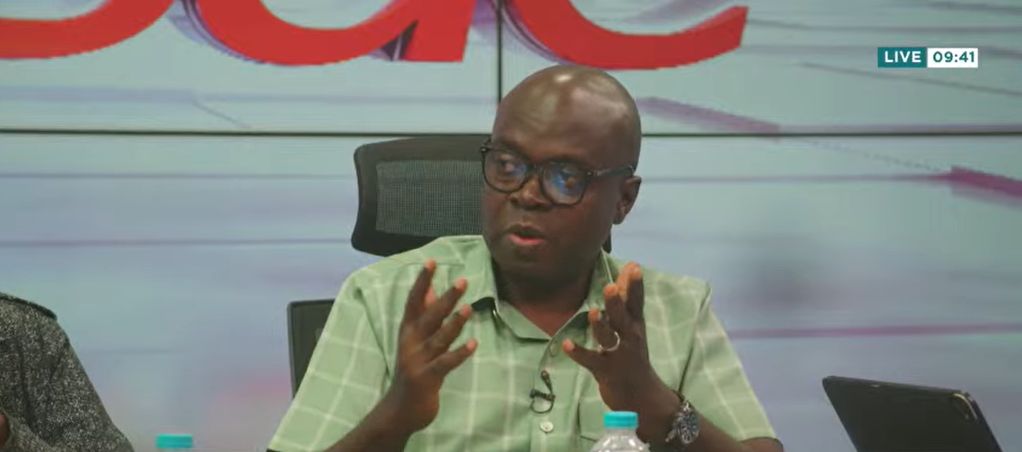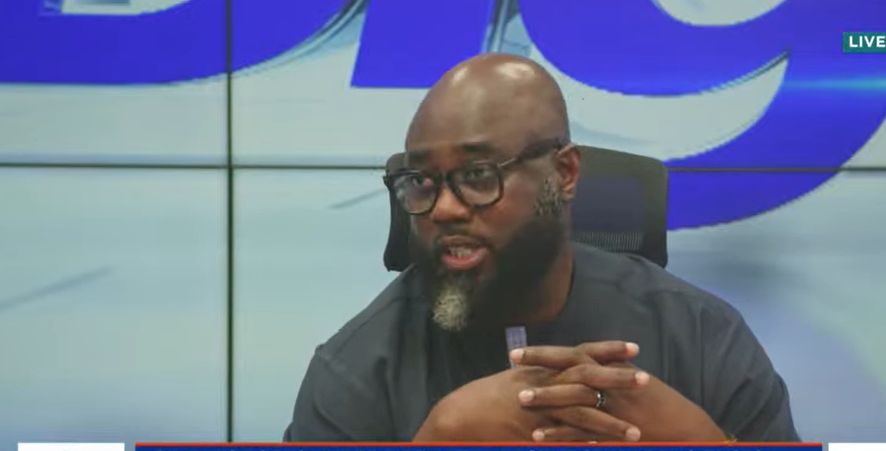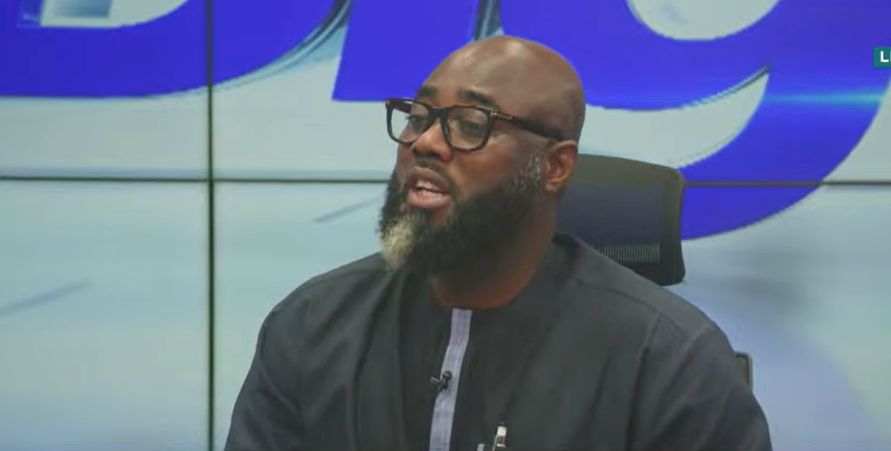
Security analyst Emmanuel Kutin said on Channel One TV’s The Big Issue on Saturday, November 14 that Ghana’s escalating cocaine problem must be treated as a national security threat rather than a partisan issue. He urged the New Patriotic Party and the National Democratic Congress to put politics aside and work together to tackle the growing menace.
Kutin’s appeal follows the recent seizure of 2.6 tonnes of cocaine hidden in a shipment of coconuts from Ghana, which Spanish authorities uncovered in August and announced in November. The operation highlighted Ghana’s links to international drug trafficking and raised alarm over the country’s role as a transit point for cocaine destined for Europe.
He argued that the scale of the problem now demands cooperation between the two major parties. “The menace of cocaine has reached a proportion we need to depoliticise and treat as a national security issue,” he said in the interview with Umaru Sanda Amadu.
Kutin explained that the cocaine trade is part of a wider international criminal network that requires substantial resources and cross‑border cooperation. He cited the investments made by the United States and European partners in fighting drug trafficking, noting that the money spent over the past decade could transform West Africa’s economies if directed effectively.
He warned that international drug cartels are increasingly targeting less‑governed territories, with West Africa’s coastline offering fertile ground for their operations. “They are looking for ungoverned spaces and the West African coastline presents very fertile ground for these cartels,” he cautioned.
Concerned about the impact on young people, Kutin noted the falling street price of cocaine between 2019 and 2025, suggesting increased availability. He added that cartels often pay local collaborators with drugs instead of cash, a practice that could deepen the problem among the youth. “More often than not, these cartels don’t pay their enablers with cash; they give them the drugs,” he said.
He warned that if drug cartels gain influence over Ghana’s political institutions, the consequences could be severe. “If we reach a state where the cartels are able to infiltrate our political parties and can decide who becomes our president, then it will be a very serious problem for us,” he said.
Kutin concluded that Ghana must approach the issue with a shared sense of responsibility, stressing that the fight against drug trafficking should transcend political differences. He called on political leaders to recognise the broader implications of the trade and avoid allowing partisan considerations to undermine efforts to tackle it.