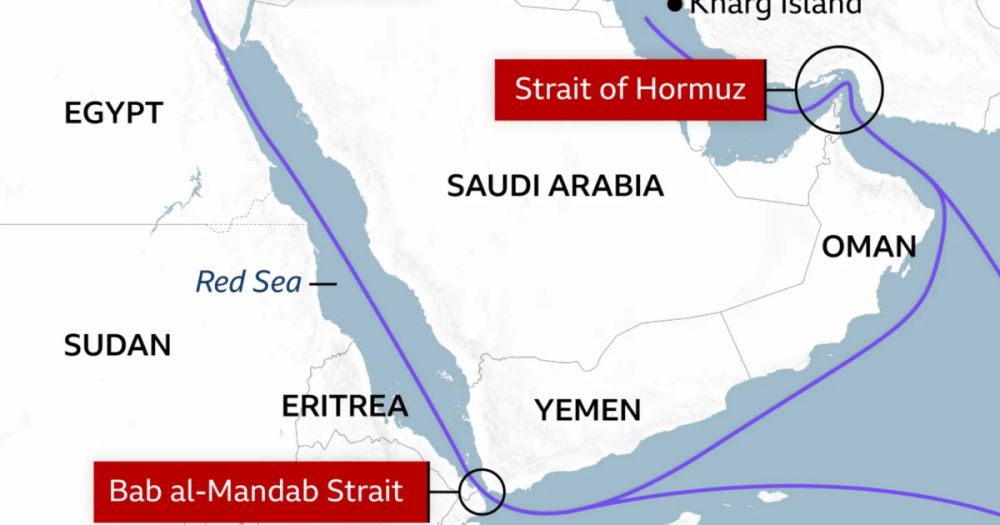
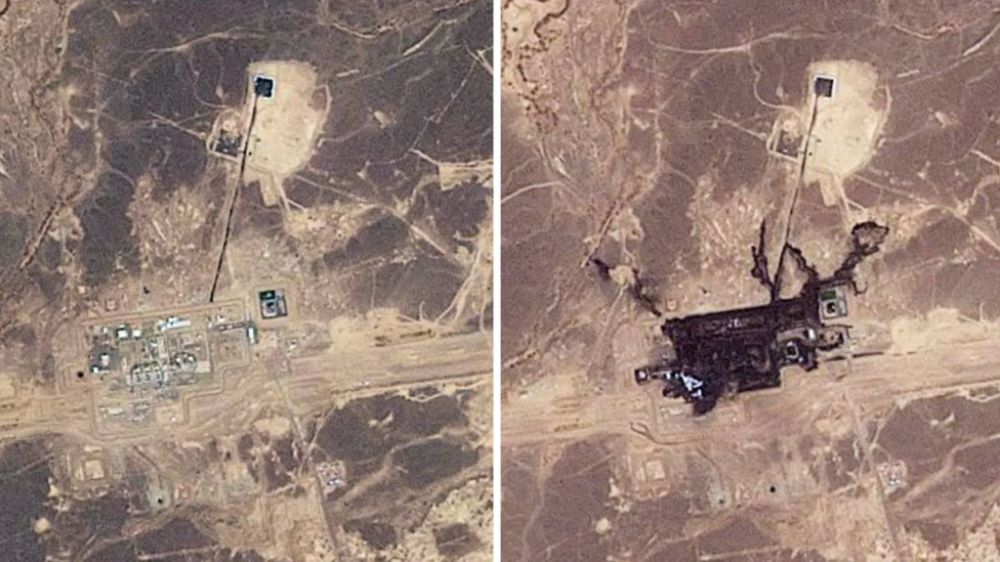
Riyadh announced on Friday that it had shut its East‑West oil pipeline after satellite images revealed scorched ground and smoke near the site. The 1,200‑km line, which carries 4–5% of global crude, has long been a strategic alternative to the Strait of Hormuz.
Iraq admitted the drone attack originated from its Maysan governorate, a province that shares a border with Iran, and said it had removed the operations commander from his post. The Iraqi prime minister’s office confirmed the commander’s removal following the investigation.
Saudi Arabia’s foreign ministry said the strike caused injuries and damage, which were still being assessed. It also stated the kingdom would not retaliate at this stage, following a call from Iraq’s prime minister, and would support efforts to prevent further attacks launched from Iraq against neighbouring states.
"The Kingdom of Saudi Arabia affirms that it reserves its right to take all necessary measures to safeguard its sovereignty and security, protect its facilities, and ensure the safety of its citizens and residents," the statement added.
The Gulf Cooperation Council condemned the attack, with secretary‑general Jasem Mohamed Albudaiwi calling it a dangerous escalation and a flagrant violation of international law.
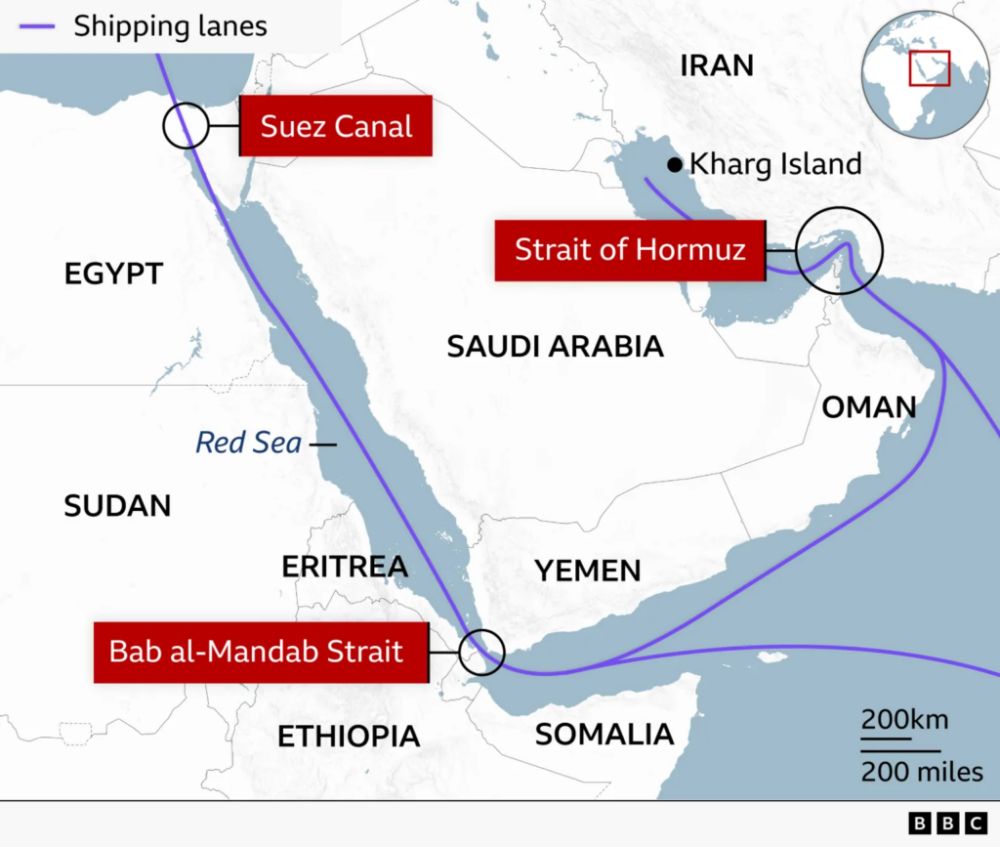
The incident comes amid a surge in Houthi activity in Yemen, where Saudi‑backed forces have been striking Houthi positions in Mokha and other coastal towns. The Houthis have seized control of much of Yemen’s coastline, including the Bab al‑Mandab Strait, raising concerns over maritime security.
Oil markets have already reacted, pushing crude prices above $100 a barrel for the first time since July. The spike has intensified inflationary pressures and could raise government borrowing costs.
Saudi Arabia has yet to announce any further action, but officials say the pipeline will remain closed until a full assessment of the damage is completed and security measures are reinforced.