Paraguay’s President Santiago Peña was impeached and placed under house arrest after lawmakers, including members of his own party, voted unanimously to remove him from office following the collapse of Ueno Bank earlier this week. The bank, linked to Peña’s private business interests, left more than half of the country’s population without access to their accounts.
Peña had offered to step down on Thursday, but senators chose impeachment over resignation, charging him with misconduct and stripping him of the immunity usually granted to former presidents. The charges allege conflicts of interest, manipulation of regulatory oversight, diversion of pension funds, and participation in an institutional cover‑up involving the central bank.
He is due to be questioned on Saturday over allegations of breach of trust, influence peddling and misappropriation of funds, prosecutor Silvia Margarita Gonzalez Vester said. Peña, who until last year held shares in the company that owned the bank, has denied any wrongdoing.
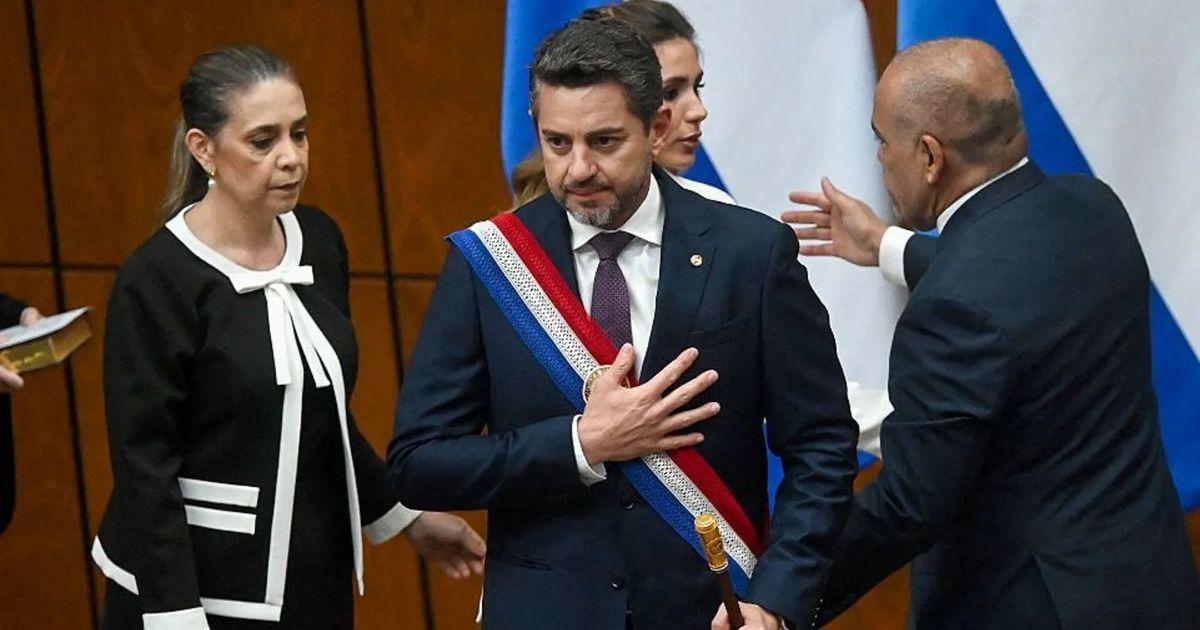
Deputy President Pedro Alliana was sworn in as interim president and pledged not to abandon the millions affected. “Compatriots who are now going through a difficult time as a result of the financial collapse will be fully compensated,” Alliana said, noting he would serve until 2028.
The collapse left an estimated three million depositors unable to access their savings and pensions, sparking protests across the country. Clashes with police, who used tear gas and water cannons, marked the demonstrations that began on Thursday. Peña’s impeachment passed with 44 out of 45 senators voting in favour; one lawmaker was absent.
Senate president Basilio Núñez declared Peña guilty of “dereliction of duty,” while Senator Rafael Filizzola called the case the biggest corruption scandal in the country’s democratic history. Analysts predict Peña will now face prosecution over the bank’s collapse. His defence lawyer Ricardo Preda described the allegations as a “reckless accusation” that was “irresponsible and opportunistic.”
As the nation awaits further legal proceedings, the focus remains on restoring confidence in Paraguay’s financial system and ensuring affected citizens receive compensation.