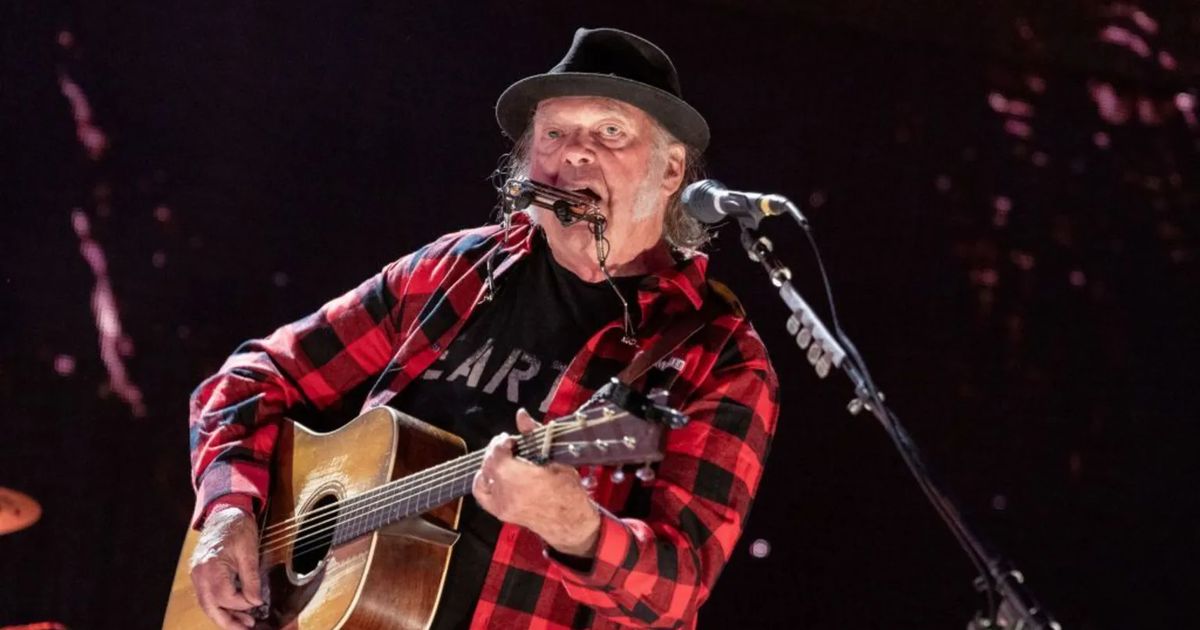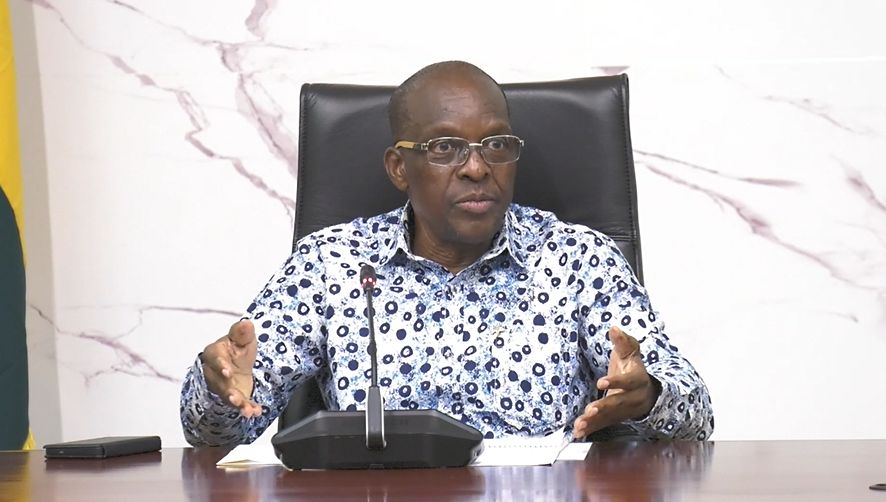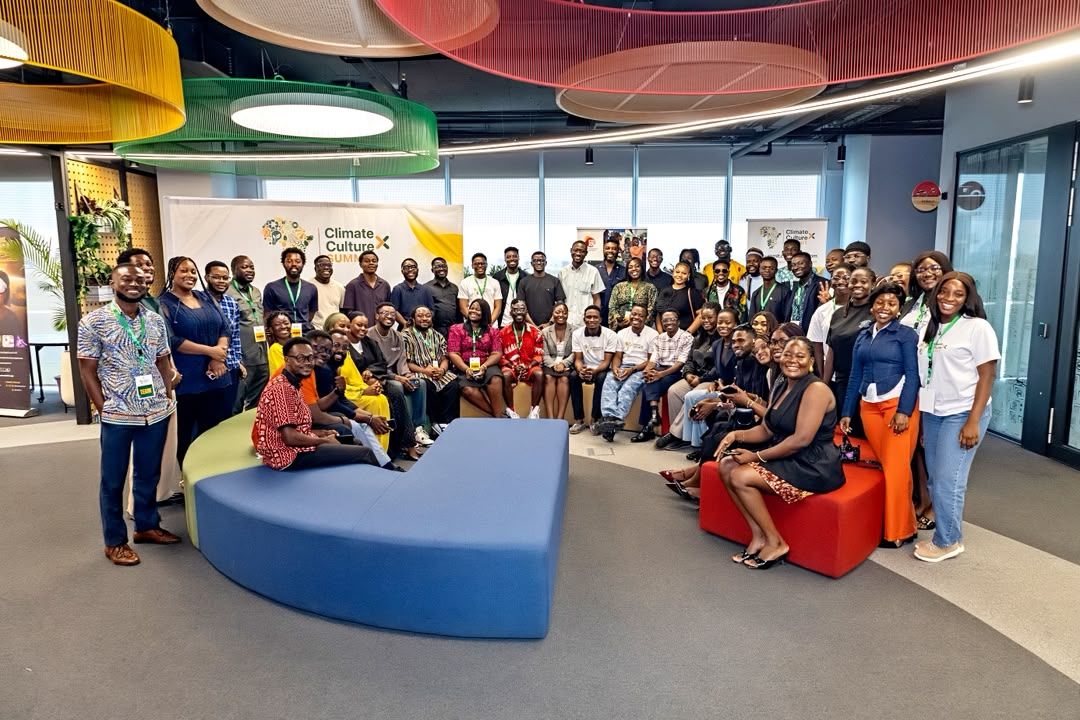
Ghanaian musician and climate activist Okyeame Kwame addressed the Climate x Culture Summit 2026 in Accra on Thursday, October 22, urging artists and content creators to engage communities and record indigenous knowledge that has historically protected forests and other natural resources.
Speaking on a panel titled “The Big Picture: Climate × Culture — Why Creativity Matters in the Climate Decade,” Kwame highlighted how Ghana’s cultural practices—traditional songs, drumming, festivals, myths and oral histories—could supply rich material for contemporary creative works aimed at promoting environmental conservation and climate action.
He called for a community‑centred approach that recognises the diverse cultural practices and environmental knowledge systems found across the country. “We are the government. We are the artist. We know better, so we put a billboard in front of the Flagstaff House: ‘Stop galamsey.’ It should be dialogic,” he said.

Kwame argued that artists should move beyond generic environmental campaigns and work directly with communities to understand the traditions and beliefs that shape their relationship with the environment. “We must go into specific communities because every community has a unique way of dealing with indigenous knowledge,” he added.
The musician cited the Asantemanso sacred grove in Essumeja, Ashanti Region, as an example of how traditional beliefs and artistic expression can contribute to protecting forests. He recounted how songs, drums and myths linked to the grove reinforce its cultural significance, passing knowledge about forest stewardship from one generation to the next. Community celebrations and traditional practices, including libation pouring, give elders a platform to teach children the importance of protecting such places.
Kwame warned that valuable environmental traditions risk disappearing if they are not documented. He shared an experience in the Volta Region where he met the chief priest of the Bata clan and learned about a drum language used to alert the community when someone encroached on a sacred grove. The last person who remembered the song had died before the knowledge could be recorded, illustrating the urgency of documentation.
He urged artists, filmmakers, photographers and digital creators to devote more attention to recording oral traditions and other indigenous knowledge rather than focusing predominantly on celebrity gossip. “Take our iPhones and go into these communities to find out what is left here that we can capture on camera and put it there for tomorrow,” he said.
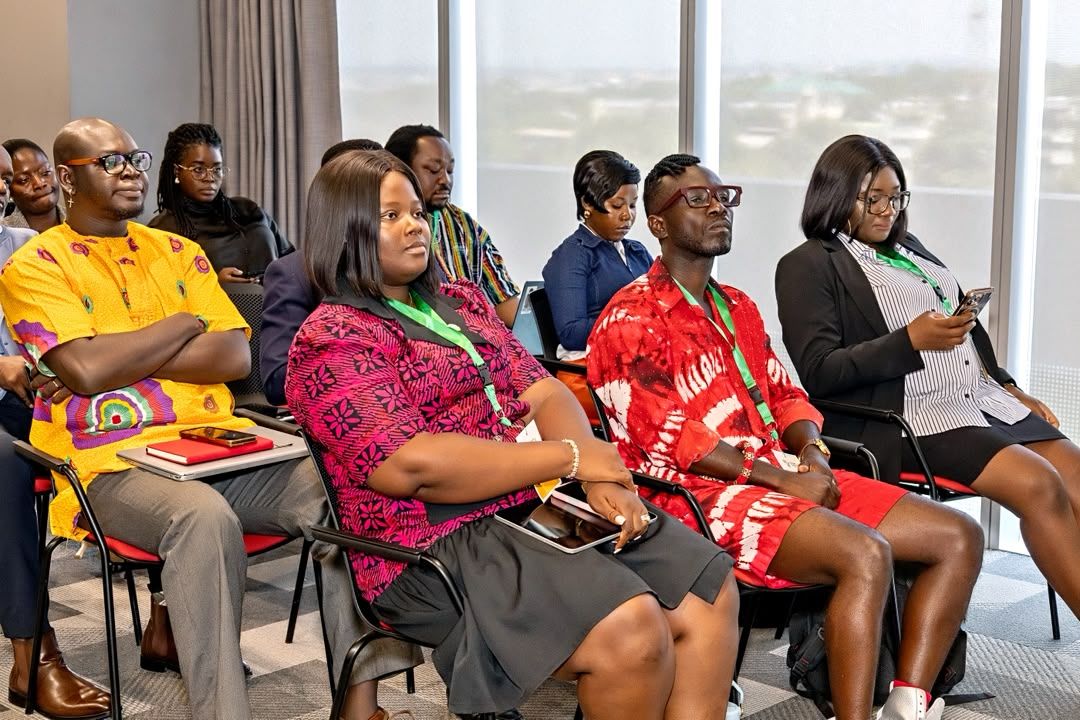
Kwame also discussed findings from his research in the Dodowa Forest area, where he explored traditional arrangements governing the forest’s custodianship. He explained that when the Asafoatse, the forest custodian, dies, the firstborn child does not automatically succeed; instead, leadership is assigned to the second‑born son or daughter, ensuring accountability and advice from the firstborn. He described this as an example of indigenous governance that offers lessons beyond environmental conservation.
Kwame concluded that documenting these practices—songs, myths, governance structures—is as important as recording the environmental actions themselves, and that creative works can bring indigenous environmental knowledge into popular culture, making it accessible to younger generations.
As the summit closed, the panelists agreed that integrating pop culture with traditional knowledge could spark new, community‑driven climate initiatives across Ghana and beyond.