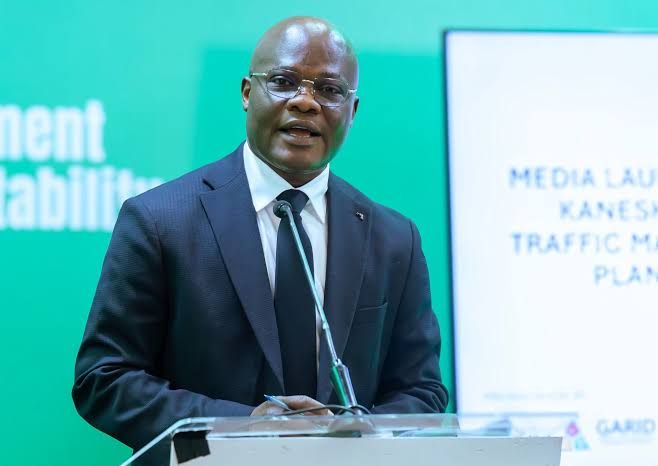
Godwin Edudzi Tamakloe, CEO of the National Petroleum Authority, said on Joy News’ PM Express Business Edition that the queues seen at Ghanaian filling stations in 2014‑15 were not caused by a lack of petroleum products but by an internally generated artificial shortage. He added that the experience highlighted the strategic importance of the downstream petroleum sector to the country’s economy and national security.
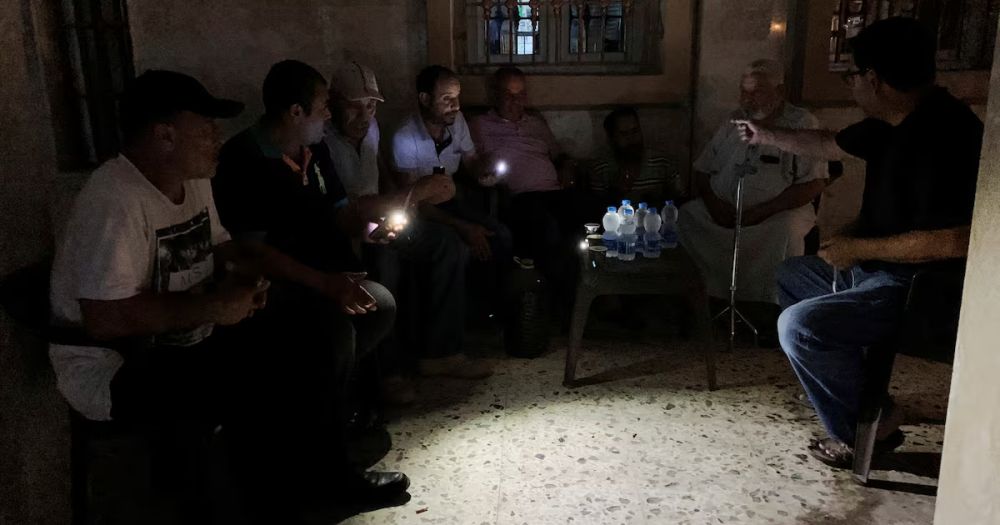
Tamakloe recalled conversations with President John Mahama about the fuel crisis, noting that the queues were created by “some obvious reasons” that produced an artificial shortage at various pumps. He stressed that consumers have few alternatives when fuel becomes unavailable, contrasting it with the flexibility of electricity shortages.
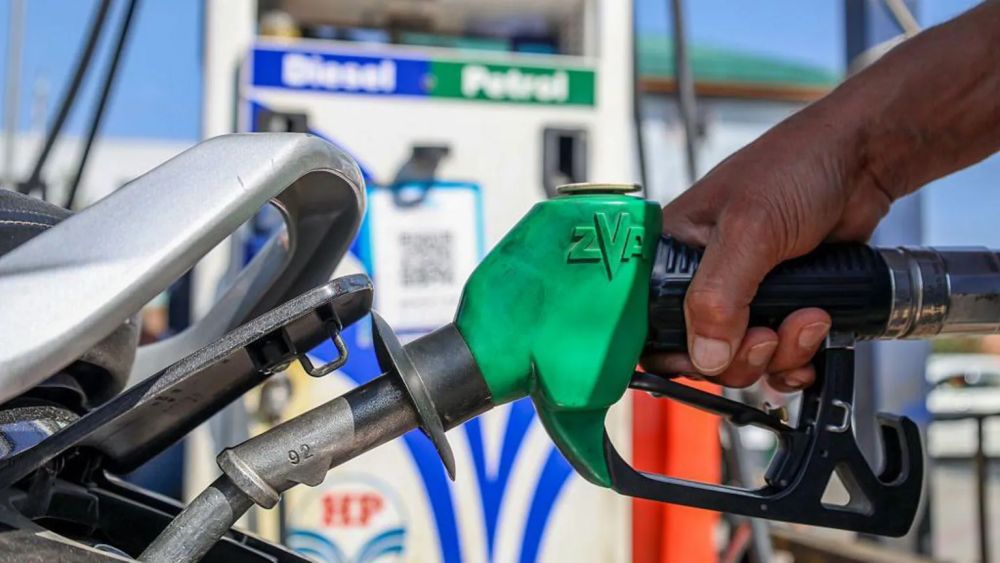
He said the government’s current approach is to manage internal risks while preparing for external shocks, describing the petroleum sector as “the nervous system of the entire economy.” The NPA has recently increased the price floor for petrol to GH¢16 per litre and for diesel to GH¢16.77 per litre from September 16, a move that some Oil Marketing Companies have mirrored in response to higher international costs.
According to Tamakloe, three principal factors influence fuel availability and pricing: the FOB, the tax component, and most importantly, the exchange rate, given that petroleum is an imported product. He added that the latest price increases are linked to higher global crude and refined product prices, with the cedi also affecting domestic fuel costs.
As Ghana navigates volatility in international petroleum markets, Tamakloe’s comments underscore the government’s focus on safeguarding the downstream sector and protecting consumers from sudden shortages.