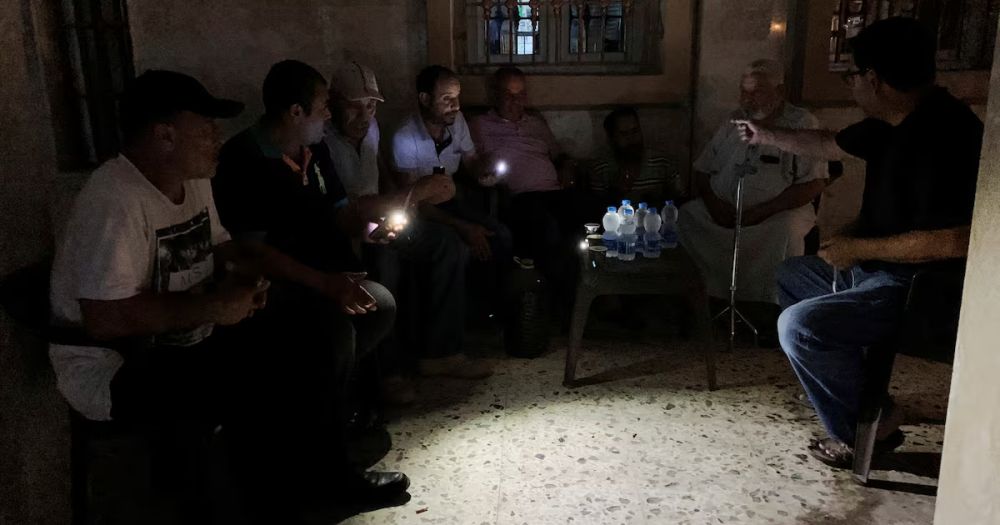
For years, power cuts have been a routine challenge for Naseem Al‑Akkari, owner of a restaurant chain in Tripoli, but the summer heatwaves have turned the issue into an existential threat, with estimated losses of $40,000 in just a few months.
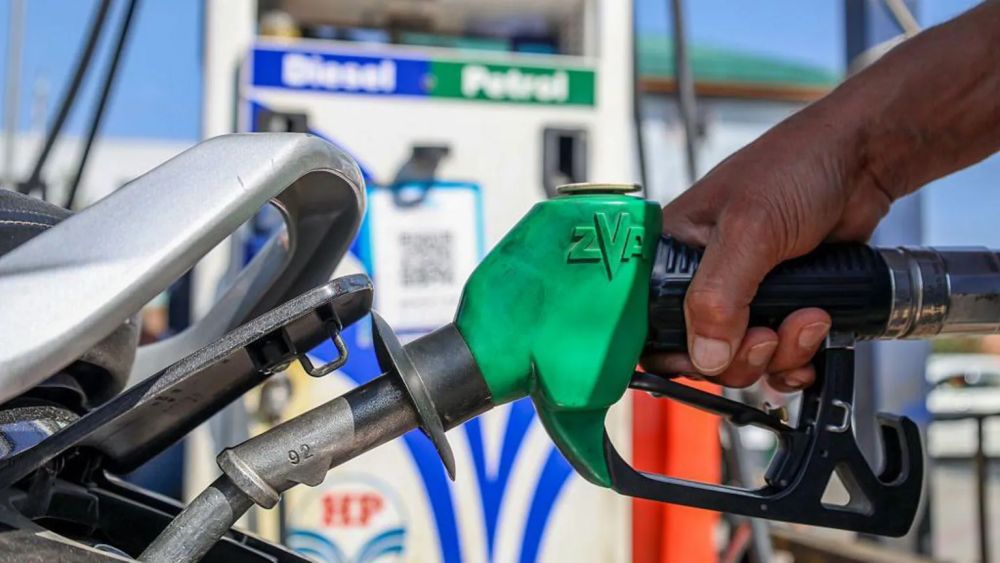
Al‑Akkari told Reuters that the generator must run to keep food from spoiling, forcing him to purchase diesel from the black market when the national grid failed more than ten times. The diesel price has surged to 11 Libyan dinars per litre—about $1.70—compared with the subsidised rate of 0.15 dinars, adding severe costs to businesses.
In the southern Tripoli district of Qasr Bin Ghashir, outages can last up to 36 hours, meaning Al‑Akkari spends roughly 10,000 dinars, nearly $1,600, a day on generators. Similar challenges hit a pastry shop in Benghazi, where the owner, Sufian Boushaala, has had to lay off staff and close for days.
The crisis is compounded by a range of factors: ageing infrastructure, widespread fuel smuggling, shortfalls in natural gas production, and a drone attack on a refinery in Zawiya. The United Nations’ Special Representative for Libya, Hanna Tetteh, described the outages as a “striking paradox” in a country that spends $1 billion a month on fuel imports.
Analysts estimate that fuel smuggling costs Libyans about $6.7 billion a year, with more than half of imported fuel siphoned off by criminal networks. Nine storage tanks in Tripoli destroyed during the 2014 war remain unrepaired, further limiting supply.
To mitigate the shortage, Brega Petroleum Marketing has set up a mobile refuelling station with a 300‑litre limit per vehicle, but petrol queues can still stretch for hours. “We are living through a farce—an outrageous one,” Khaled al‑Turki said while waiting in a central Tripoli queue.
With the country importing more fuel than it can generate electricity, experts say much of the fuel leaves the system due to corruption and institutional dysfunction. The people bear the cost, while the state struggles to find a solution.
As the heatwave continues and blackouts persist, Libyan businesses face an uncertain future, with daily generator expenses and diesel shortages threatening to collapse operations.