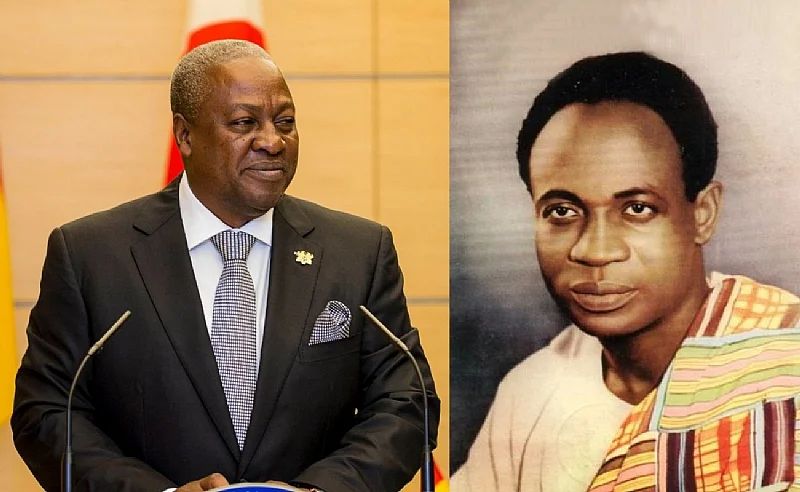
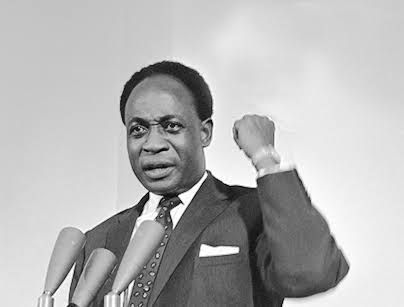
Kwame Nkrumah’s death in 1972 marked the end of a life, but the influence he left behind remains alive in Ghana and across Africa. His vision that an African nation could govern itself and determine its future became a reality when Ghana gained independence in 1957, proving that colonial rule was not permanent.
For Nkrumah, the significance of independence was not merely symbolic; it was a precedent that other African states could emulate. By transforming the idea of self‑government from imagination into political fact, he expanded the horizon of possibility for the continent.
Today, the value of his achievements lies in the institutions, confidence and knowledge he helped create. The roads, schools and factories that were built during his era are tangible inheritances, but so too is the belief that Africans can challenge difficult systems and imagine a future beyond what colonial powers offered.
Honouring Nkrumah does not mean preserving every policy he enacted, nor does it require turning his era into a museum. Instead, it calls for retaining the courage, ambition and long‑range thinking that defined his leadership while learning honestly from past mistakes. A mature nation must separate enduring value from historical limitation, ensuring that the useful ideas he generated continue to generate capability.
As Ghana and Africa face new challenges—political fragmentation, economic dependence and institutional weakness—Nkrumah’s legacy serves as a reminder that freedom must be converted into economic and intellectual capability. The unfinished work he left behind is the task of turning political liberty into productive capacity, education into innovation and African solidarity into practical cooperation.
On September 21, the day of Nkrumah’s birth, the nation should ask what remains alive from the possibilities he opened. The greatest tribute to his memory is not to replicate his era, but to preserve and advance the valuable state he created—his courage, vision and belief in Africa’s capacity to determine its own future.