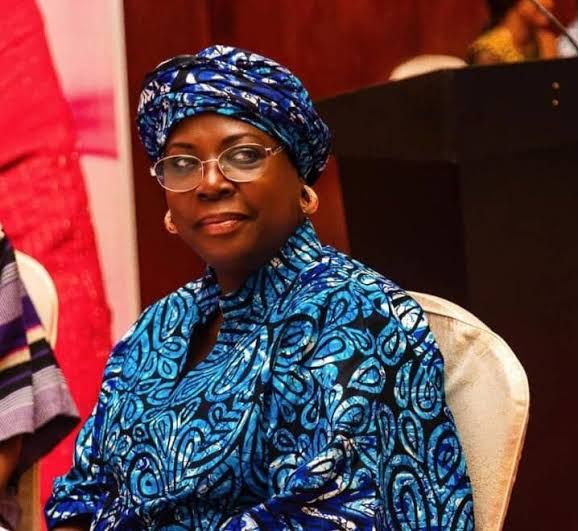
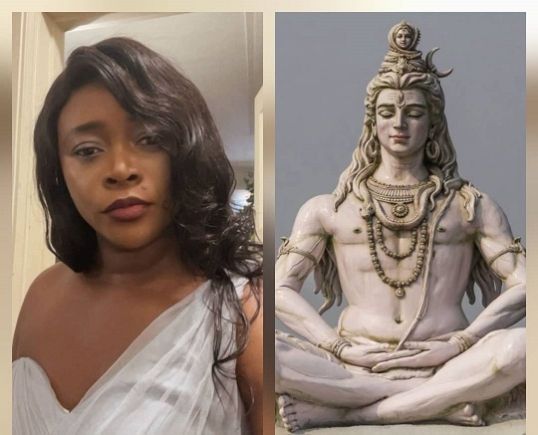
Ghanaian‑American filmmaker Leila Jewel Djansi has taken to Facebook to question why affluent African churches continue to pour money into chapels and other religious projects instead of investing in hospitals, schools, research labs and rehabilitation centres. In a detailed post, Djansi highlighted the contrast between prayer‑based fundraising for serious illnesses and the reality that many Africans still travel abroad for advanced medical care.
She cited the late TB Joshua, who was flown to Turkey by air ambulance after a stroke, while patients at his church waited for healing. Djansi noted that many Africans send “seed” money to organisations such as NPSSD for stroke patients, yet pastors profit from YouTube views and foreign remittances. She added that stroke care in Ghana remains inadequate, pointing out that a dedicated 15‑bed stroke unit exists but is underutilised.
Djansi turned to cancer treatment, pointing out that Africans often fly to India for care despite the presence of Hindu deities in the hospitals. She questioned how people who “cast and bind” gods during midnight prayers can trust medical institutions built by those same churches. Djansi compared this to the United States, where churches and faith‑based organisations helped establish hospitals and schools, suggesting a similar model could work in Africa.
She urged churches to build hospitals, medical schools, cancer centres, laboratories and specialist facilities capable of heart, liver and bone‑marrow transplants. Djansi also criticised the idea of using “cancer seed” to fund pastors’ luxury vehicles while relying on medical care built by others. Despite her criticism, she praised Catholic and Adventist churches for their contributions to education and healthcare, recalling her visits to an Adventist hospital in Simi Valley and a Catholic chapel on the Korle‑Bu grounds.
Djansi concluded that prayer and giving should continue, but the funds should create lasting benefits. She called on churches to make their “seed” pay it forward by building institutions that serve communities long after the founders are gone, citing Matthew 25:35–40. The filmmaker ended her post with a humorous remark about Jesus and a trumpet, before returning to her central point: the doctor treating a patient in India is the true god.