
Private legal practitioner Jonathan A. Alua has filed a suit with the Supreme Court against the Attorney‑General and the Commissioner‑General of the Ghana Revenue Authority (GRA) over Regulation 18(2)(b) of the Exemptions Regulations, 2025 (L.I. 2514). The complaint alleges that the power granted to the Commissioner‑General to determine the quantity of baggage a passenger may bring into Ghana without parliamentary approval is unconstitutional.
Mr Alua argues that such a power amounts to a waiver or variation of a tax, which Article 174(2) of the 1992 Constitution requires parliamentary approval for. He seeks a declaration that the regulation is inconsistent with the Constitution and an order restraining the GRA and its customs officers from exercising the disputed power until the constitutional requirements are met.
The suit is filed under Articles 2(1)(b), 130(1) and 174 of the Constitution, and the plaintiff requests any additional orders the Court deems appropriate, including costs.
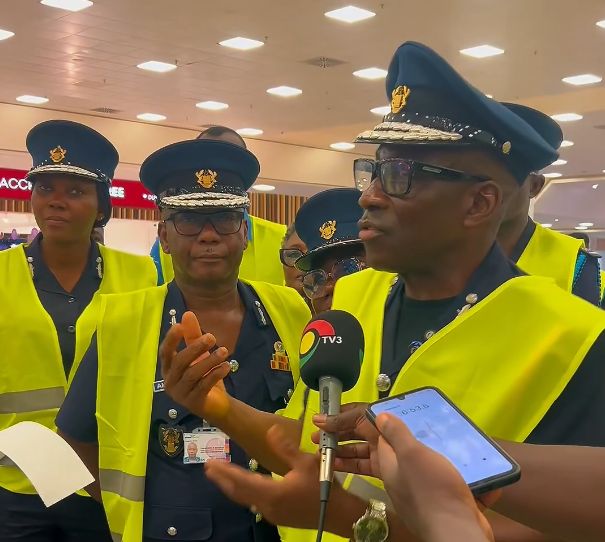
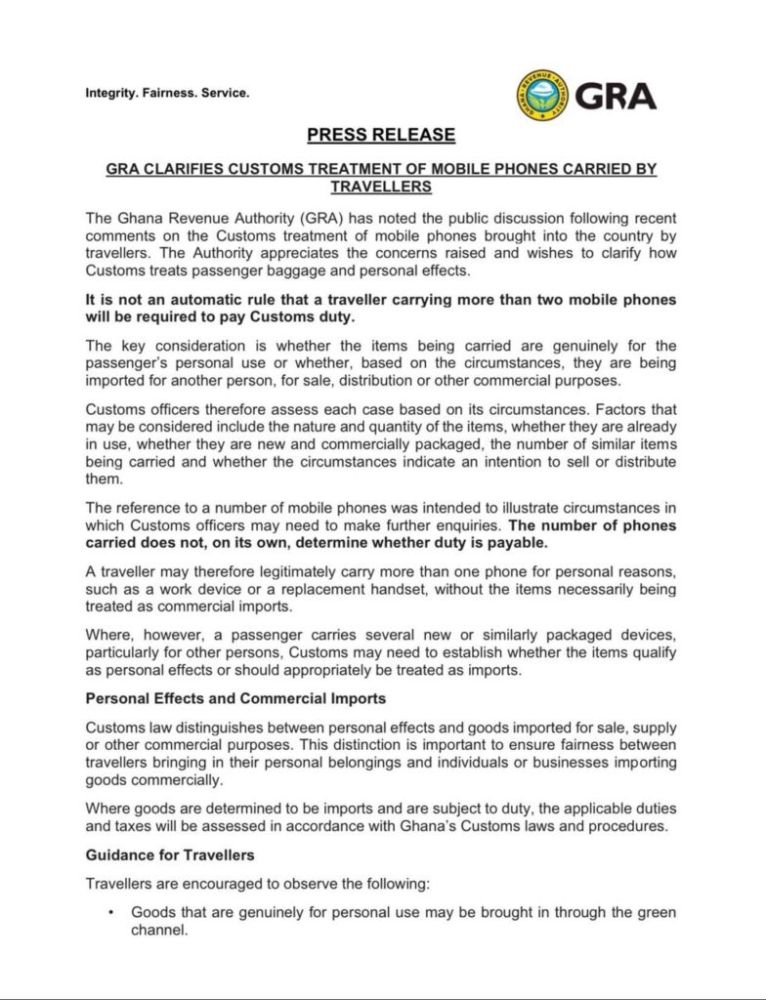
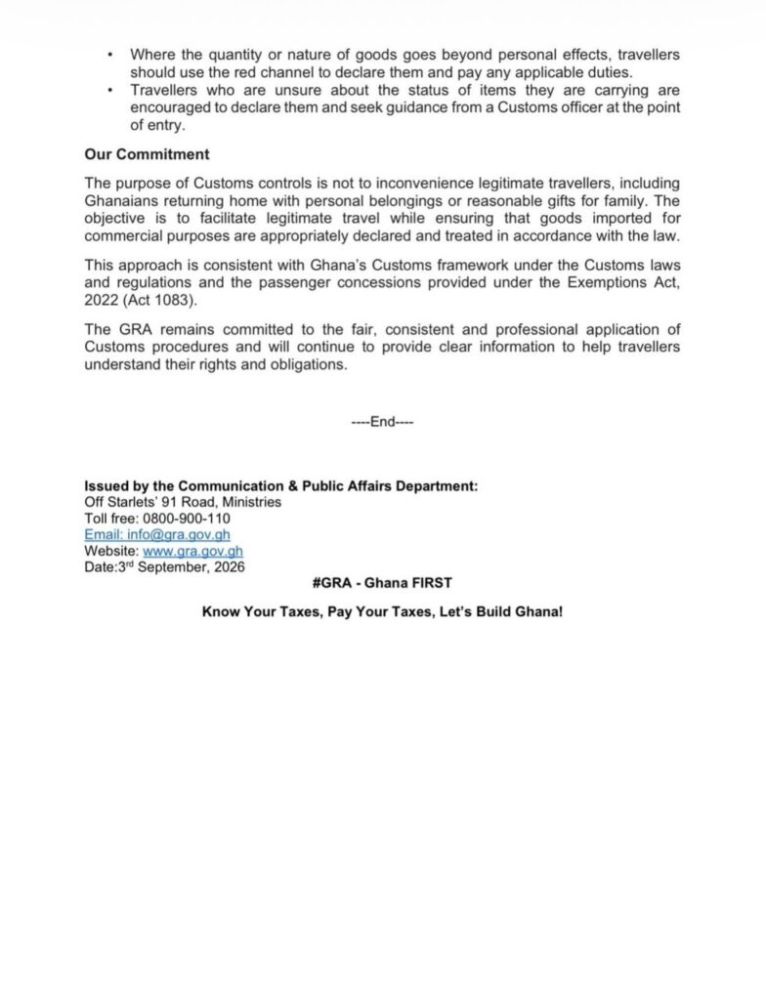
The dispute centers on the treatment of mobile phones and other personal effects carried by air passengers. GRA Customs Commissioner Aaron Kanor warned travelers that carrying more than two phones could be considered commercial importation, though the GRA has since clarified that duty is not automatically imposed and that customs officers assess each case on its merits.
Under Regulation 18 of L.I. 2514, passenger baggage not intended for sale, barter, exchange or as a gift is exempt from customs duties and taxes, and the Commissioner‑General is empowered to determine the quantity of baggage covered by the exemption. Passengers must declare their baggage upon arrival.
The case highlights ongoing debate over customs policy and the scope of executive authority in tax matters. The Supreme Court will decide whether the GRA’s exemption regime complies with constitutional requirements.