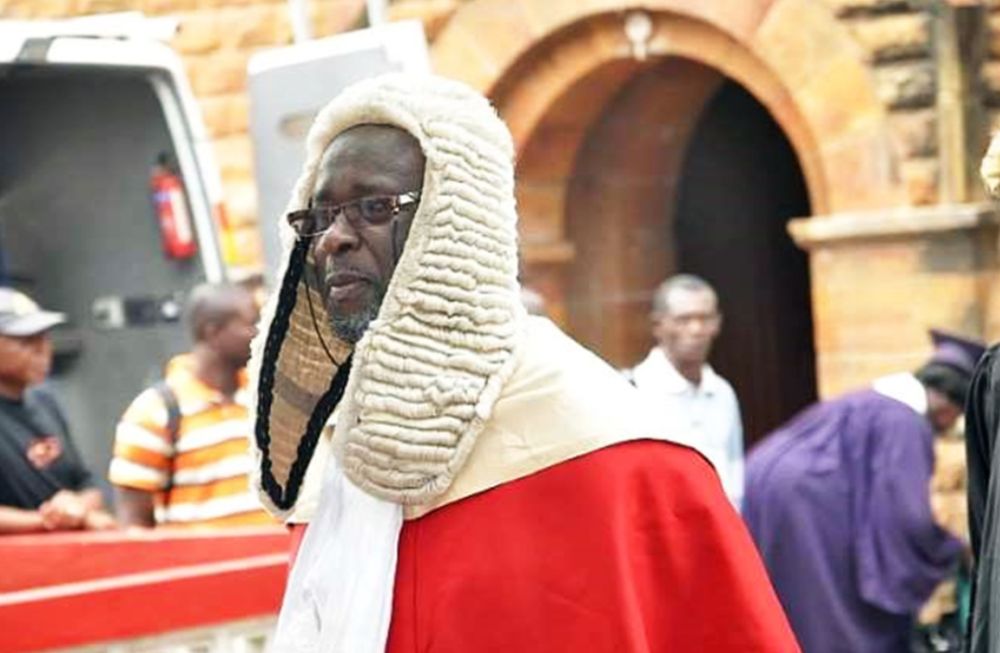
Dr Arthur Kobina Kennedy, a political activist, physician and social commentator, has publicly questioned the suitability of Chief Justice Paul Baffoe‑Bonnie for the highest judicial office after the latter made remarks about state‑owned institutions. The comments were made during visits to the Social Security and National Insurance Trust (SSNIT) and the Minerals Income Investment Fund (MIIF) on Wednesday, September 2.
During the MIIF visit, the Chief Justice praised the institution’s performance and compared it unfavourably to the previous eight years, saying, “Sometimes when we hear how well some state organisations are doing now, we wonder what we really have been doing in the past eight years.” He also questioned SSNIT’s past asset plans, suggesting Ghana had “sunk so low.”
Dr Kennedy said the Chief Justice, by virtue of his office, should instinctively understand the boundaries expected of him and avoid conduct that could create an impression of political alignment. “The Chief Justice does not need ethical laws to know that what he did was wrong,” he said. “If he does, then maybe he is not worthy of his office.”
He urged the Chief Justice to apologise and pledge to avoid similar conduct, citing the need for public confidence in the judiciary’s independence and impartiality. Dr Kennedy also criticised partisan reactions, calling supporters of both the NPP and NDC hypocritical for their inconsistent responses to past Chief Justice controversies.
The Judicial Service issued a statement on Friday, September 4, acknowledging the mixed public reaction and affirming that the Chief Justice’s comments were made in good faith and not intended to undermine judicial independence. The Service did not indicate an apology or withdrawal of remarks.
Dr Kennedy maintains that the Chief Justice should focus on internal judicial issues such as appellate delays, prolonged detentions, missing case dockets, judicial corruption and panel assignments. He believes an apology and an undertaking to refrain from similar conduct would be appropriate.
What follows is a continued debate over the role of ethical guidelines for the judiciary and the public’s expectations of judicial conduct in Ghana.