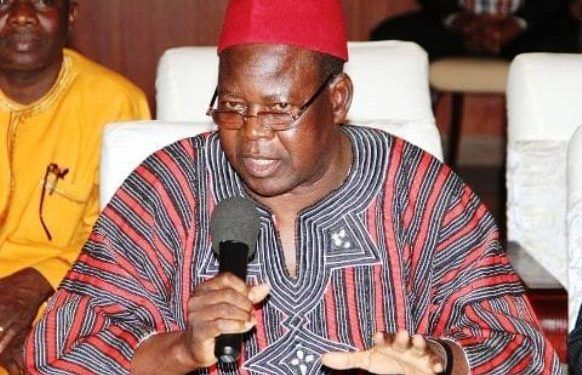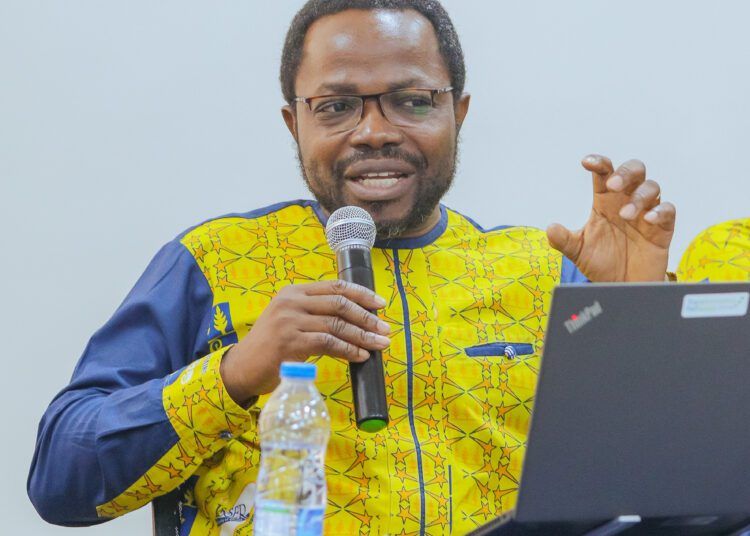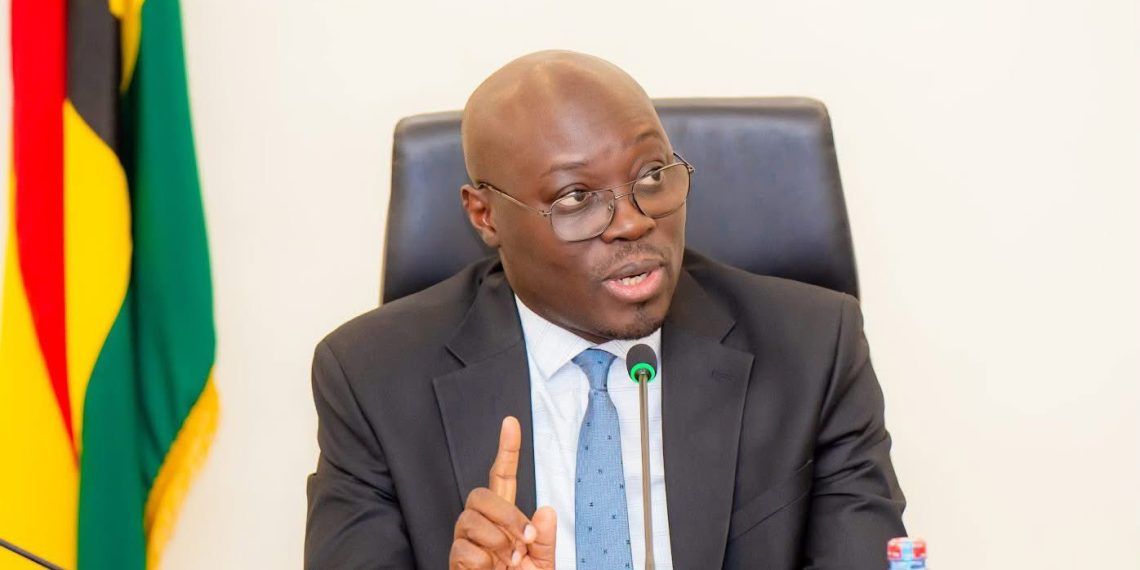
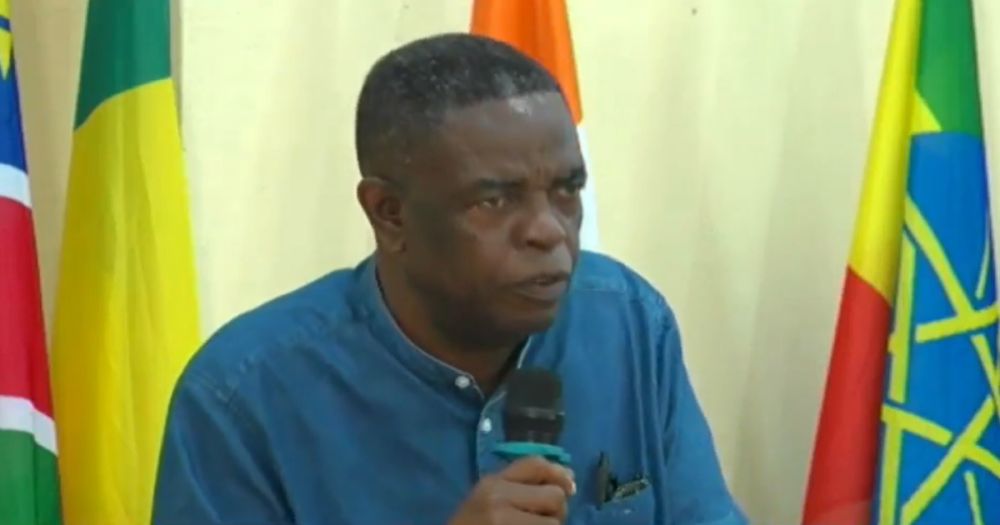
Veteran journalist Kwesi Pratt Jnr spoke at the Youth Forum on Debt and Reparations held at the ISSER Conference Hall, University of Ghana, Legon, on Saturday, September 5. He urged that Africa’s quest for reparations must go beyond financial compensation to secure equal rights, control over the continent’s resources and greater collective self‑reliance.
Pratt said Africans had gathered not to plead for assistance but to fight for what he described as their legitimate interests. “We have gathered here today not to complain. We have gathered here today not to beg, not to plead,” he said, insisting that the struggle for reparative justice was one Africa could ultimately win because it was just.
The speaker highlighted the UN General Assembly resolution on reparations as a major achievement, noting its significance lay in the unity demonstrated by African and Caribbean countries. He said the resolution, recognising the trans‑Atlantic slave trade, colonialism and neocolonialism as crimes against humanity, showed that African countries could overcome their historical divisions when they pursued a common objective.
Pratt warned that African governments were undermining such gains by signing defence and intelligence agreements with foreign powers shortly after international victories on reparations. He cited examples of agreements with the European Union, the United States and Ukraine, describing them as evidence of a lack of strategic focus among African leaders.
He also hailed a recent victory concerning the representation of the world on maps, arguing that a more accurate depiction of Africa’s size could help Africans develop greater confidence in the continent and its potential.
Pratt cautioned against measuring reparative justice simply by the return of African human remains and artefacts or by financial payments from former colonial powers. He said such gestures would not amount to victory unless they contributed to a fundamental transformation of the international system. “Our victory will come when we reset this world,” he said. “What we demand is not compensation. What we demand is equal rights.”
He urged Africans to reassess values and institutions imposed or reinforced during slavery and colonialism, criticising the historical role of the Catholic Church in justifying European expansion. Pratt argued that the struggle for liberation required an accompanying transformation in African consciousness and values.
Pratt linked Africa’s present underdevelopment to the trans‑Atlantic slave trade, noting that at least 12.6 million Africans were captured and transported to Europe and the Americas, where they were subjected to forced labour. He challenged the notion that African countries should simply copy the development models of Britain, Germany, France or the United States, arguing that those economies were built, in part, through centuries of slavery and unpaid African labour.
What follows is a call for a new era of African self‑reliance, where reparations are a catalyst for systemic change rather than a token gesture. The next steps will involve African leaders consolidating their gains at the UN and ensuring that security agreements do not undermine the continent’s quest for true independence and equality.