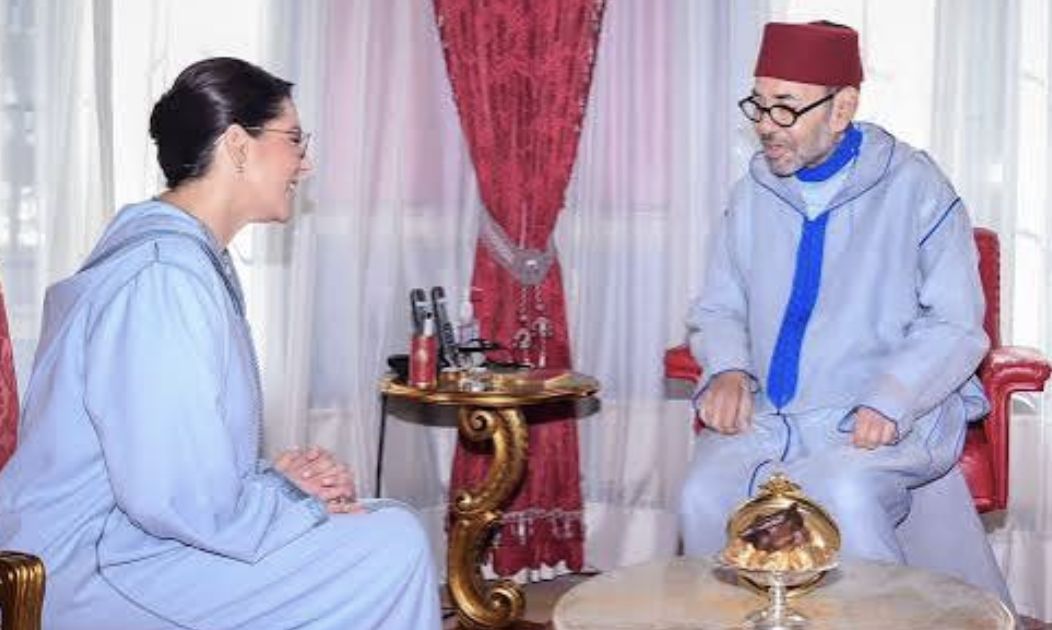
Fatima Zahra El Mansouri was sworn in as Morocco’s first female prime minister on 2 October 2026, a historic move that has ignited both support and criticism nationwide. The 63‑year‑old monarch appointed her after her Authenticity and Modernity Party (PAM) secured the most seats in the September parliamentary election and formed a coalition holding 207 of 395 seats.
El Mansouri, a seasoned politician who has served as mayor of Marrakech and minister of national territory planning, said the milestone was “not just a source of pride for me, but for all the women of the kingdom.” Her statement was met with a mix of approval and scepticism. A local broadcaster, Chouf TV, captured men on the street expressing unease: “It feels strange to have a woman as head of government. I’m not sure if it sits well with me,” one grey‑haired man told reporters.
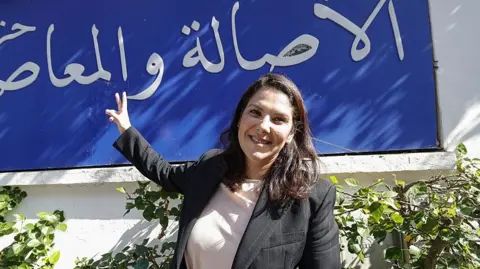
Critics of the appointment have cited an Islamic saying that “a people who entrust their affairs to a woman will never succeed,” a phrase resurfacing in public discourse when former justice minister Mustafa Ramid posted a lengthy Facebook comment questioning a woman’s suitability for the country’s highest political office. Ramid argued that Morocco, a Muslim‑majority country, had found a balance between equality and state responsibilities, noting that the king’s position remains reserved for men.
While the royal appointment is historic, it has exposed persistent reservations about women in power. The penal code criminalises certain forms of offence or insult against the king, the royal family and the monarchy, making public criticism risky. Online, the appointment became fodder for political satire, with a viral video depicting two women pulling each other’s hair, suggesting that parliamentary disagreements might look similar.
Despite the backlash, many younger Moroccans, especially women, welcomed El Mansouri’s rise. The National Human Rights Council’s 2022 report linked unequal inheritance rules to women’s poverty, and the 2024 family‑code reform package—still pending law—aims to address inheritance, polygamy and other gender‑biased provisions. El Mansouri has yet to signal whether she will push these reforms forward.
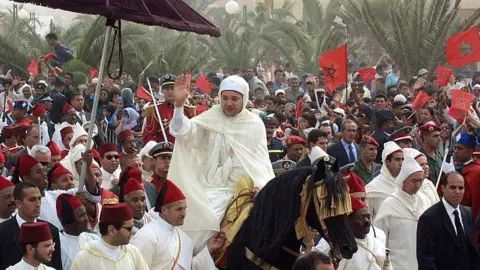
Experts note that the appointment reflects the monarchy’s broader political interests. Dr Irene Fernandez‑Molina of the University of Exeter described it as “authoritarian state feminism, a top‑down, selective instrument” amid low voter turnout of 38 % in the September elections. The monarchy’s move may be seen as a strategy to consolidate power while projecting a progressive image.
What to watch next: El Mansouri’s cabinet meetings and policy announcements will reveal whether she leverages her position to advance women’s rights and reform the Moudawana. The political climate, legal constraints on criticism, and public sentiment will shape the trajectory of gender equality in Morocco.