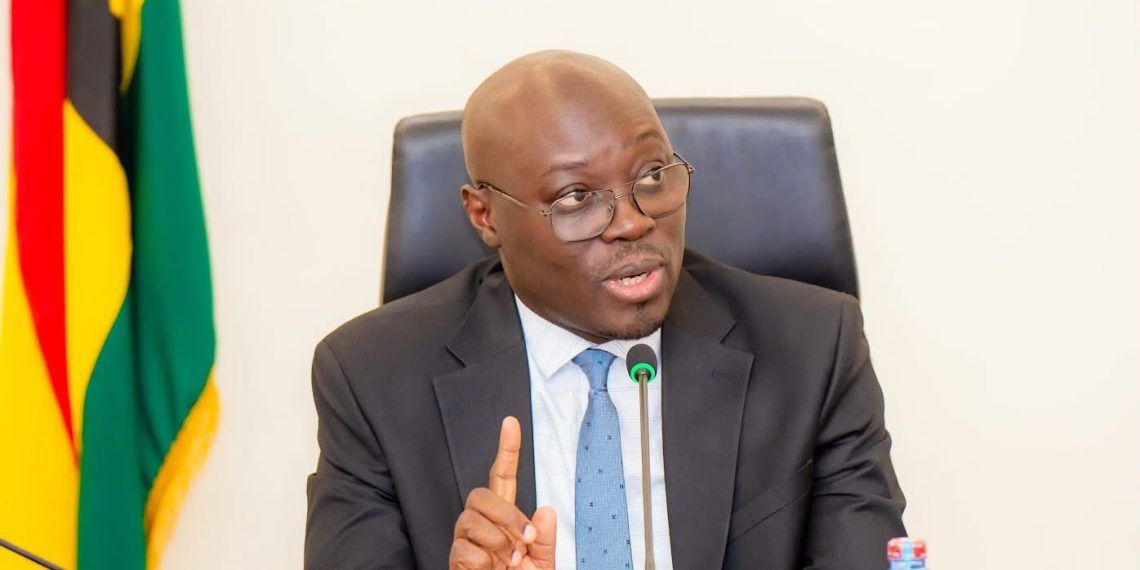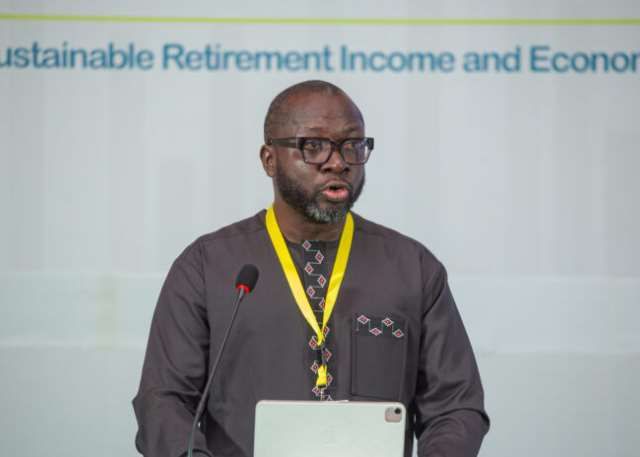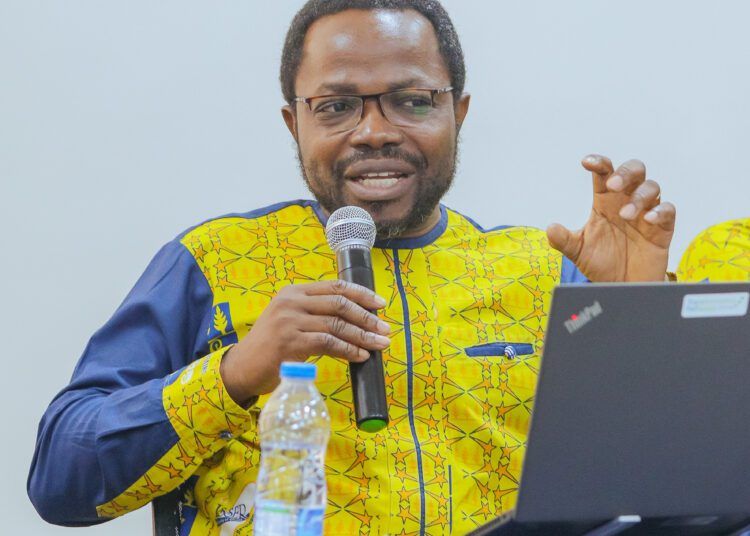
Ghana’s inflation rate fell to 5.2% in September 2026, up only marginally from 5.0% in August, yet the reduction has not eased the cost‑of‑living pressures that households face, Professor Fred Dzanku, Head of the Economic Division at the Institute of Statistical, Social and Economic Research (ISSER), said on the sidelines of the launch of ISSER’s State of the Ghanaian Economy Report 2025.
Dzanku highlighted that while the country’s headline inflation has slipped into low single digits in 2025 and hovered around four to five percent in 2026, the figure still lags behind many sub‑Saharan African peers by about two percentage points. He stressed that the slowdown in price increases does not automatically mean that goods and services have become cheaper for consumers.
“Even though we’ve done well in bringing down inflation considerably, still when you compare us with a typical sub‑Saharan African country, our inflation rates are still higher, by sometimes about two percentage points,” he said.
Using rice as an example, Dzanku explained that a bag that cost GH¢500 two years ago would not necessarily become cheaper simply because inflation had declined. Instead, its price could rise more slowly, reaching GH¢510 or GH¢520 rather than a much higher level. “So the price has not fallen, and that’s what households are concerned about,” he said.
Dzanku cautioned against assuming that lower inflation alone would resolve the cost‑of‑living challenge, noting that falling prices could also reduce the earnings of producers. He called for measures to raise household incomes through employment and improved earnings, arguing that these would strengthen consumers’ ability to afford goods and services. “What we need to do really is to see how do we increase the incomes of households,” he said.
He added that households could remain financially worse off if their incomes fail to keep pace with rising prices, even when inflation slows. “If incomes are not increasing even at the rate at which prices are increasing, then even if the rate of increase in price is slower, households are still worse off,” he said.
The comments underscore a key challenge for Ghana’s economic recovery: translating improvements in headline economic indicators into stronger purchasing power and better living standards for households.