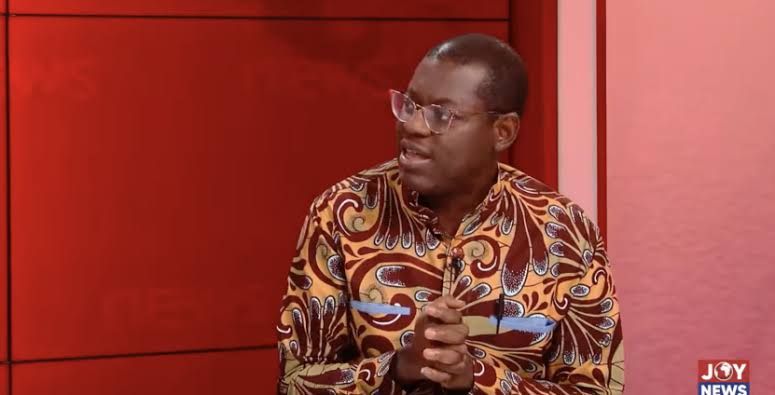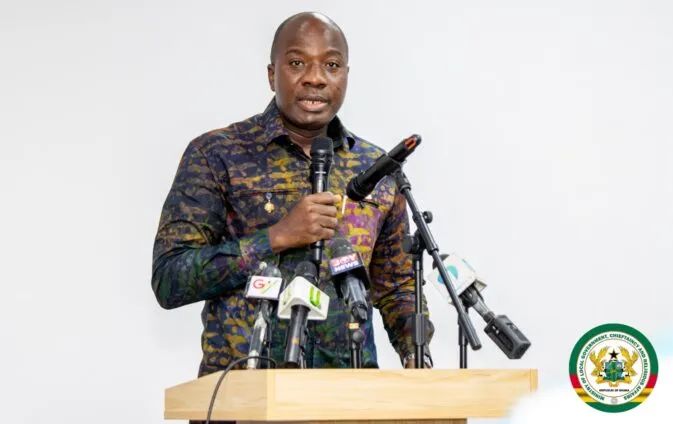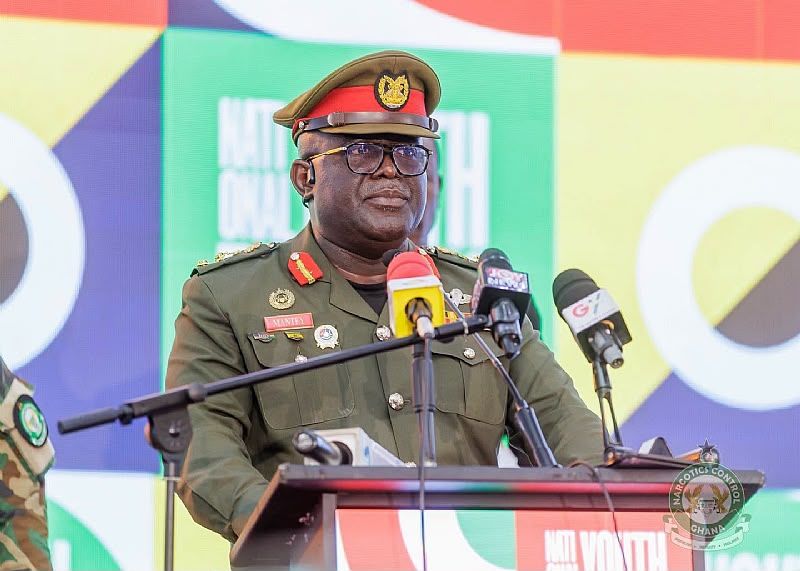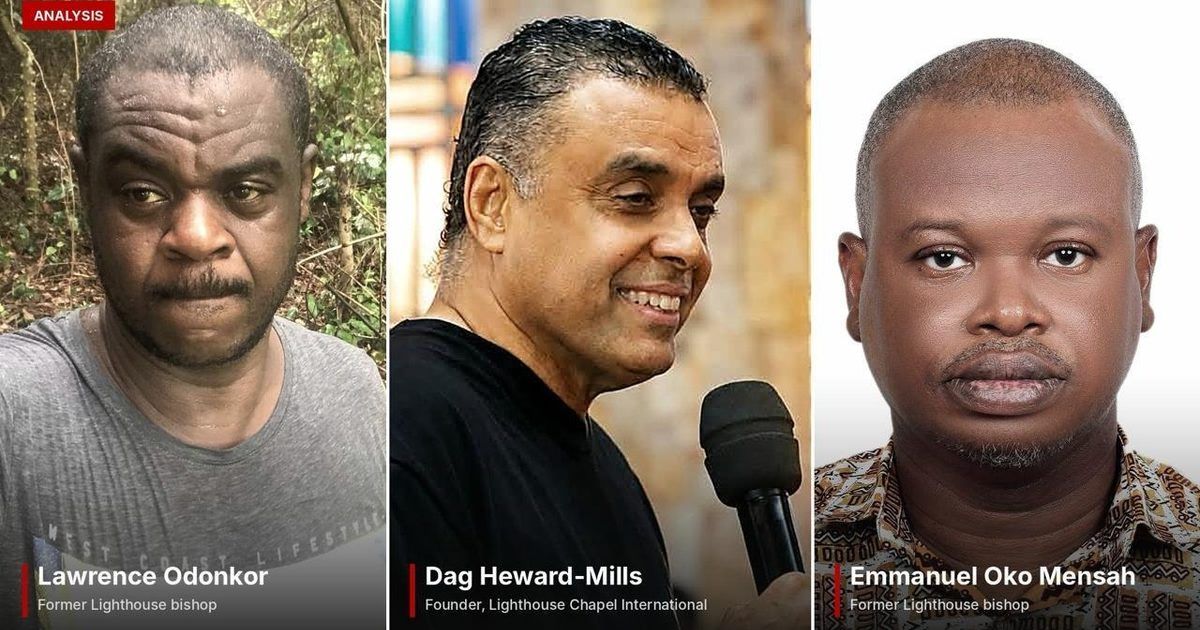
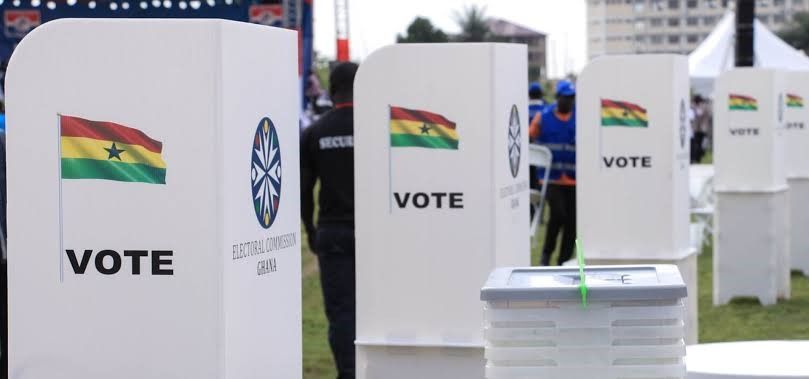
In recent election cycles, Ghanaian political discourse has shifted from policy debate to a battlefield of insults, with politicians and media personalities hurling harsh words at each other as a public spectacle. The trend, described as an “insult economy,” rewards those who use aggressive language with appointments, contracts, and political capital.
According to analysts, the system has evolved so that the loudest, most abrasive voices are the ones who receive patronage once a party comes to power. This creates a cycle in which new political aspirants learn that a well‑aimed insult can be a more reliable path to advancement than reasoned argument.
While courts and police have recently arrested and convicted individuals such as Camilla Alhassan for threatening language, these actions address only the symptom. The underlying incentive—where loyalty proven through aggression is rewarded—remains intact. As long as the reward structure favors the wound, the supply of insult‑makers will not dwindle.
Experts warn that the culture of self‑remuneration, with generous end‑of‑service payments and allowances, perpetuates a duopoly that prioritizes personal gain over public service. The result is a political environment where rhetoric is more about spectacle than substance, leaving voters with limited meaningful choices.
In the coming months, observers will watch to see if reforms to the reward system can curb the trend, or if the insult economy will continue to thrive as a feature of Ghanaian politics.