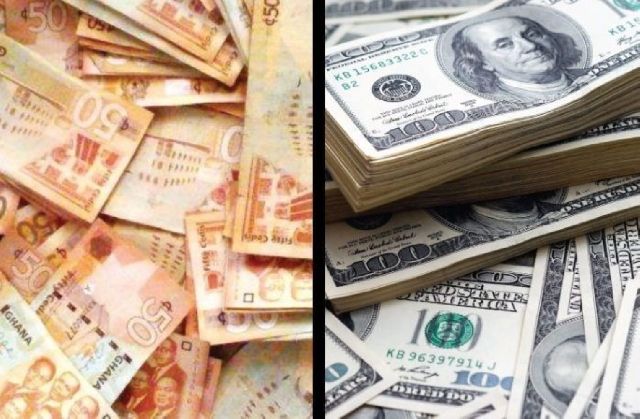
GoldBod’s recent intervention in the foreign‑exchange market has provided the cedi with a modest reprieve. Over the last three weeks, the board injected a US$130 million spot sale at a rate of GH¢11.60 per dollar to support the local currency.
By the close of the fortnight, the cedi had clawed back some losses in the interbank market, appreciating 1.20% against the US dollar and pound sterling to finish trading at GH¢11.65 per dollar and GH¢15.57 per pound. It also gained 0.16% against the euro, selling at GH¢13.04.
In the retail market, the cedi held steady against the greenback at GH¢12.10, and gained 0.32% against the pound to sell at GH¢15.85 and 1.11% against the euro to trade at GH¢13.50.
As part of its October 2026 programme, GoldBod plans to supply US$1 billion to commercial banks and an additional US$500 million to the Bank of Ghana for reserve accumulation. The total US$1.5 billion intervention aims to support the recovery and stability of the cedi.
Earlier this week, the cedi began trading at GH¢12.15 against the US dollar in the retail market, with a year‑to‑date loss of about 9.0%.
Observers will watch how the central bank’s continued support influences the cedi’s trajectory in the coming weeks.