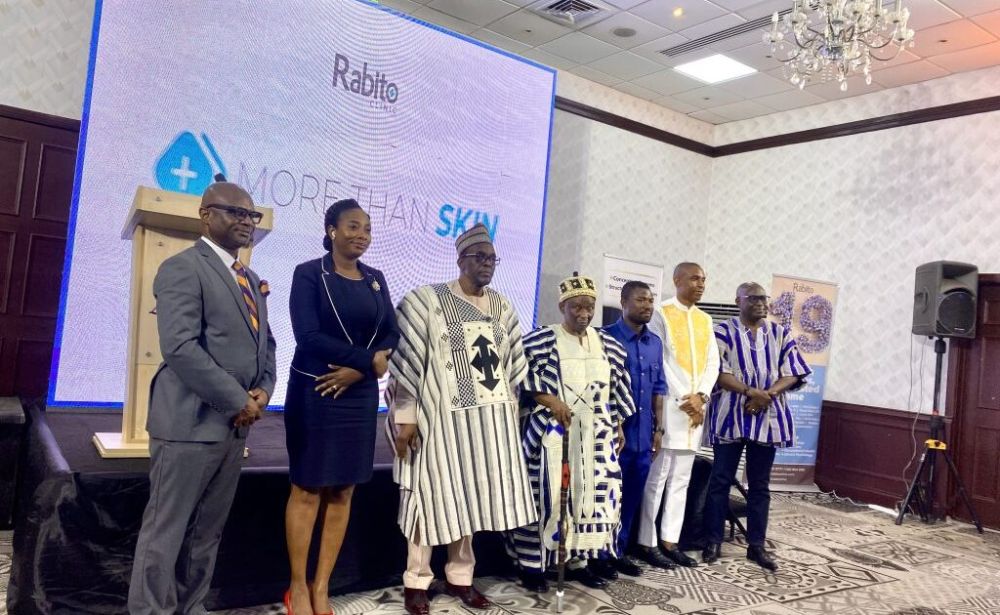

A high‑level delegation from the Ghana National Petroleum Corporation (GNPC) and its upstream subsidiary, GNPC Explorco, visited the Gbewaa Palace in Yendi on Sunday to pay condolences to the Regent of Dagbon, His Majesty Kampakuya Naa Yakubu Abukari II, following the death of the former Overlord of Dagbon.
The delegation, led by GNPC Chief Executive Officer and GNPC Explorco Board Member Kwame Ntow Amoah, also included Managing Director of GNPC Explorco Samuel Opoku Arthur, members of GNPC’s executive management, the GNPC Explorco management team and Managing Director of the GNPC Foundation Helga Boadi.
During the meeting, the Regent welcomed the delegation and urged GNPC and Explorco to prioritise local content, create tangible employment and skills‑development opportunities for young people in Dagbon, and enforce strict environmental protection, meaningful community development and transparent communication with traditional authorities and local communities.
He also appealed for corporate support for the ongoing construction of the historic Gbewaa Palace. In response, Mr Ntow Amoah reaffirmed the companies’ commitment to building an enduring partnership with the palace, traditional authorities and communities across the project area, while clarifying that the planned drilling is exploratory and does not confirm an oil or gas discovery.
Mr Opoku Arthur expressed sympathy to the Royal Family and the people of Dagbon, thanking the traditional authorities for their cooperation and stressing the importance of open communication and continuous engagement for the successful delivery of the project.
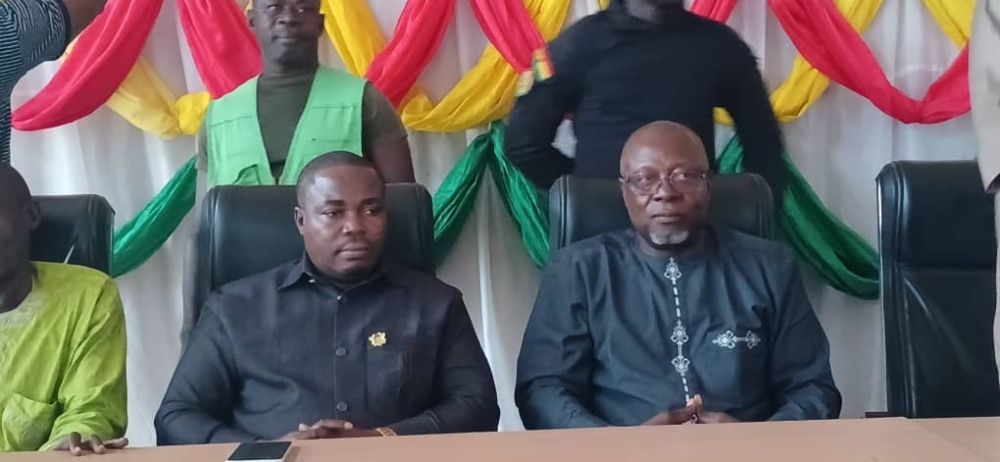
The visit also saw participation from Member of Parliament for Mion Misbahu Mahama Adams, District Chief Executive for Mion Hamzah Azindow Moabalyn, palace elders and council chiefs. The engagement forms part of GNPC and Explorco’s ongoing dialogue with traditional authorities and communities as exploration activities in the region progress.
Both companies emphasised that the exploratory well’s outcome will guide future activities in the basin, with further studies expected to determine subsequent steps.