Ghana estimated that 2,100 deaths in 2019 were linked to antimicrobial resistance (AMR), a figure that highlights the growing threat of drug‑resistant infections in the country.
Animal health expert Dr Benjamin Kissi Sasu warned that inappropriate antibiotic use in livestock and fish farming, coupled with poor farm hygiene and inadequate waste management, could accelerate the spread of resistant bacteria. He added that unsafe practices on farms could expose consumers to antibiotic residues in animal products and that contaminated waste could disseminate resistant organisms through the environment.
Speaking on the food value chain, Dr Sasu said the issue should concern consumers because animal products form part of many people’s diets. “Every human being, or many of us, whether we like it or not, take animal products, either fish or meat or milk or honey,” he said.
He explained that medicines used to treat infections in humans and animals may contain the same active ingredients, though formulations differ, and that improper disposal of animal waste could spread disease‑causing organisms via contaminated water and other environmental pathways.
Dr Sasu noted that global projections suggest AMR could be responsible for about 10 million deaths annually by 2050 if decisive action is not taken, with more than a quarter of those deaths expected in Africa. He said Ghana’s 2019 data underscore the need for stronger national interventions.
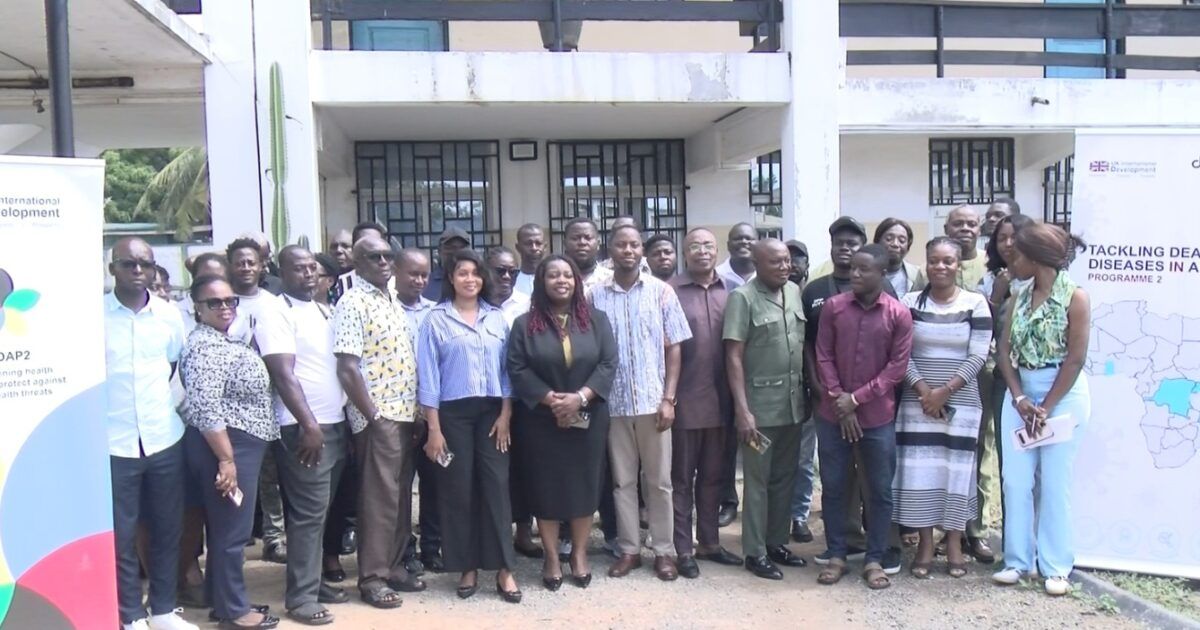
Meanwhile, the UK government‑funded Tackling Deadly Diseases in Africa Programme Two is supporting Ghana’s response to AMR through capacity building, surveillance and improved practices in food production. Technical Lead Esther Odame Aseidu said the programme has trained farmers in the Eastern and Western Regions on responsible antimicrobial use, biosecurity, farm hygiene and data‑driven decision making.
Aseidu added that the programme also supports surveillance at fish farms and slaughterhouses and plans to extend training to the human health sector, including clinicians and pharmacists. She emphasized the need for collaboration across human, animal and environmental health systems.
Dr Sasu said a comprehensive report covering six years of AMR data across the human, animal and environmental sectors is expected to be presented on November 18. He urged stronger implementation of Ghana’s national action plan and coordinated action across sectors to curb the threat.