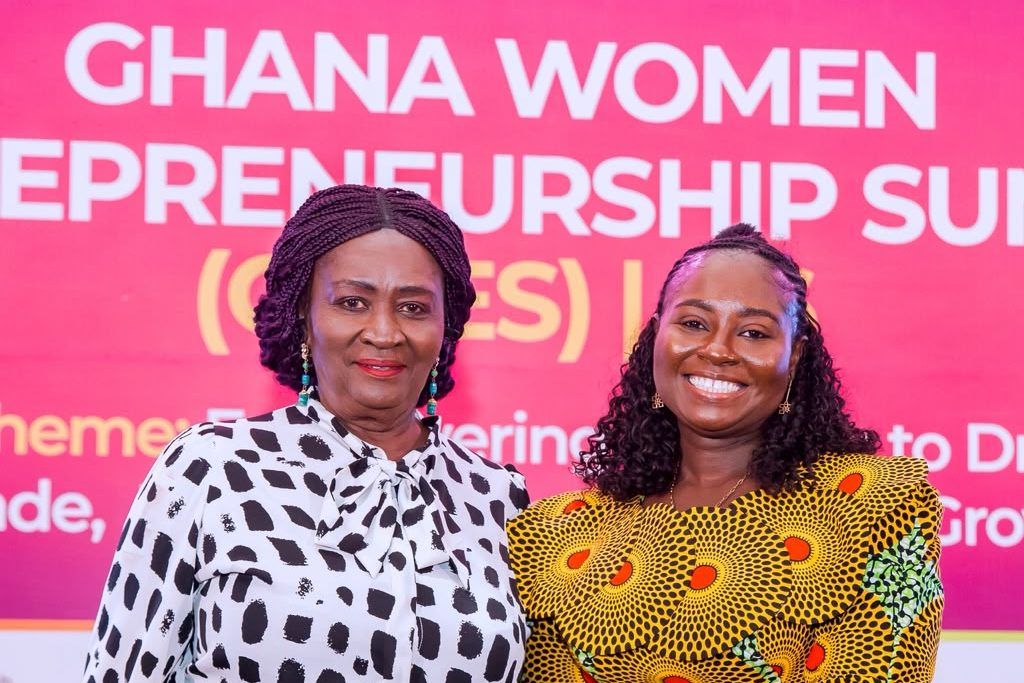
On November 11, 2026, Professor Jane Naana Opoku‑Agyemang, Vice‑President of the Republic of Ghana, joined Ms Margaret Ansei, Chief Executive Officer of the Ghana Enterprises Agency (GEA), at the opening ceremony of the 5th Ghana Women Entrepreneurship Summit (GWES 2026). The event, themed “Empowering Women to Drive Trade, Innovation and Industrial Growth,” drew government officials, development partners, financial institutions, industry leaders and women entrepreneurs from across the country.
Addressing the summit, the Vice‑President underscored the pivotal role of women entrepreneurs in Ghana’s economic transformation. She highlighted the need to move women‑owned businesses beyond small‑scale operations into commercial production, manufacturing and industrial supply chains, and stressed that women must have the opportunity to establish factories, expand their enterprises and compete in domestic and international markets. She also drew attention to the proposed Ghana Women’s Development Bank as a key intervention to address persistent financing challenges.
Ms Ansei welcomed participants and called for stronger institutional support, affordable financing and improved market access to unlock the growth potential of women‑led businesses. She noted that many women‑owned firms struggle to fulfil large contracts because buyers often operate on extended payment terms while suppliers require immediate payment, creating cash‑flow constraints that limit expansion and market participation.
Both leaders emphasized that access to finance must be complemented by skills development, quality standards, packaging, safety compliance and market opportunities. They urged financial institutions and business support organisations to design financing solutions that reflect the operational realities of women‑led enterprises and to foster stronger institutional collaboration and market linkages.
The summit reaffirmed the importance of sustained collaboration among government, the private sector, financial institutions and development partners to remove structural barriers and create an enabling environment for women‑owned businesses. The Ghana Enterprises Agency will continue to work with stakeholders to expand opportunities, strengthen capacities and position women entrepreneurs to contribute meaningfully to Ghana’s trade, innovation, industrialisation and economic transformation.