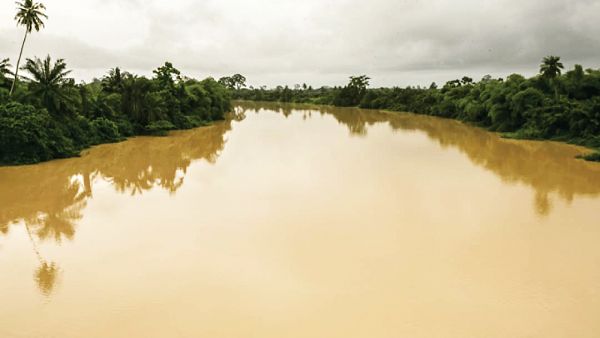
The Environmental Protection Authority (EPA) has issued a stern warning to residents of communities affected by illegal mining, urging them not to drink or use water sourced from polluted rivers and streams. The agency stresses that boiling such water does not render it safe for consumption.
According to the EPA, water contaminated by illegal mining activities may contain hazardous substances, including mercury, cyanide and arsenic, which cannot be eliminated through boiling. “The notion that boiled galamsey‑contaminated water is safe for drinking and other domestic activities is false. While boiling kills bacteria, it does not remove harmful chemicals such as mercury and cyanide,” the EPA said.
David Agyekum Baidoo, an official from the EPA’s Twifo Praso office, explained that many villages and hamlets in illegal mining communities still rely on polluted water bodies because they lack access to pipe‑borne water. Speaking to the Ghana News Agency, he warned that such reliance exposes residents to serious health risks, especially those who drink, bathe in or use contaminated water for farming and livestock.
Baidoo highlighted that prolonged exposure to chemicals linked to illegal mining could result in kidney damage, neurological disorders and birth defects. He urged residents to rely on treated water and other safe alternative sources rather than assume that boiling polluted river water would make it suitable for domestic use.
He also called on communities to support efforts to combat illegal mining by reporting offenders to security agencies, stressing that timely information would help prevent further pollution and protect water bodies used for drinking, farming and fishing.