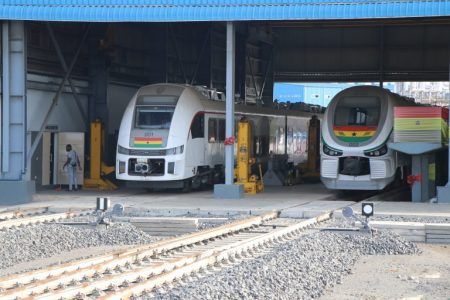
Ghana’s once‑robust railway network has collapsed from about 947 kilometres in 1960 to just 160 kilometres by 2020, a decline that has forced the bulk of the country’s freight onto the roadways. The World Bank’s 2026 Economic Update notes that roads now carry more than 90% of passenger and freight traffic, a shift that has raised transport costs and overloaded a road system that is only 27% paved and largely in fair‑to‑poor condition.
In 2005, Rufus Quaye, then Deputy Managing Director of the Ghana Railway Company, warned that 65% of the company’s monthly revenue was consumed by staff costs, leaving little for maintenance. By 2013, Ronald Schuurhuis of Ghana Manganese Company highlighted that moving manganese by road had become 65% of the company’s revenue, compared with less than 40% when rail was used. The cost of road transport has continued to climb as rail capacity dwindled.
Chief Executive Officer of the Ghana Railway Development Authority, Dr Frederick Appoh, attributed the decline to decades of neglect, poor maintenance and weak institutional systems. In February 2026 he said freight operations would be the key to making the railway viable again, especially the Western Railway Line that links mineral‑producing areas to Takoradi Port.
President John Dramani Mahama echoed these concerns in July 2026, warning that heavy trucks “place enormous pressure on our roads” and that moving bulk goods by rail could generate revenue while reducing highway wear. He also pointed to the Tema–Mpakadan railway as a potential link to the Volta Lake system.
The World Bank stresses that revitalising rail is only part of the solution; maintenance, financing and coordination must improve to address potholes, drainage problems and overloading that plague the road network. Nonetheless, restoring rail freight could ease pressure on highways and lower transport costs for businesses and rural communities.
As Ghana seeks to sustain its economic recovery, the choice to rebuild or abandon its railways will determine whether the country’s roads can survive the growing freight load and whether transport costs can be kept in check.