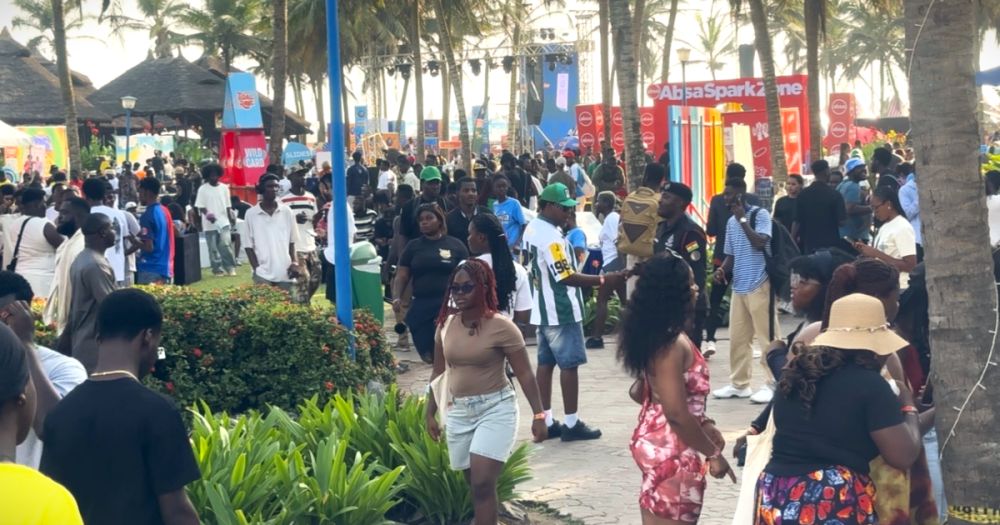
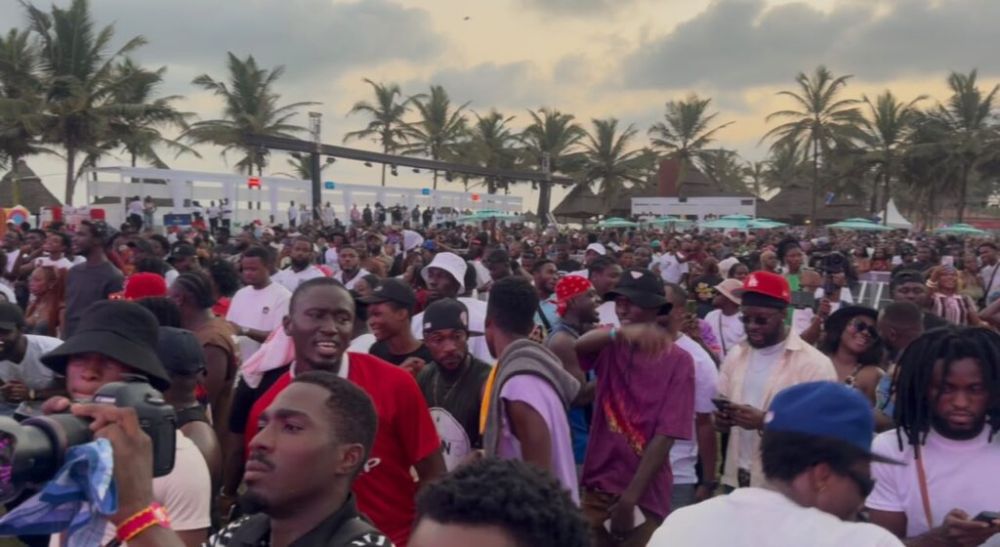
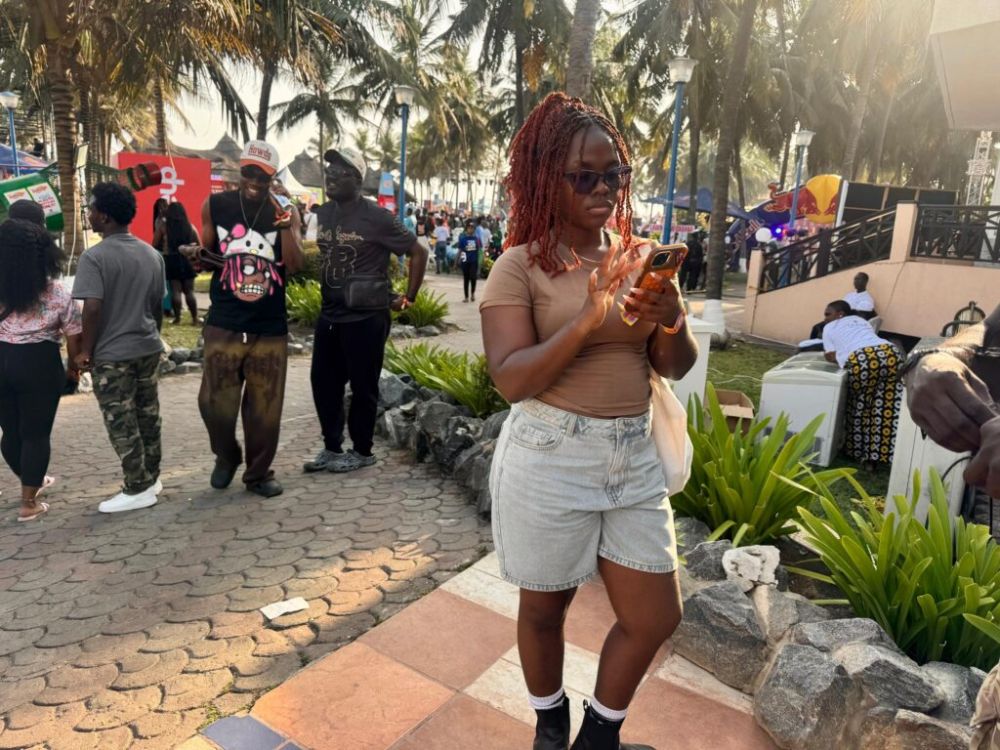
On 15 November 2025, the Tidal Rave Festival lit up Accra’s La Beach with music, fashion and a surge of youthful energy that turned sustainability into a lifestyle statement. The night’s glow was not just from the music and neon, but from the many second‑hand garments, customised denim and upcycled beach waste that dotted the venue.
One of the early acts was Black Sherif, but the real show was the attendees. Young woman Ivy, a self‑described nuclear energy enthusiast, wore second‑hand denim shorts under a brown dress and said, “I’m very particular about the things I wear, and I’ve also become really aware of the fact that fast fashion is destroying our environment.” She added, “If I can find something that I can wear after someone has worn it and it’s still in good shape and it still makes fashion sense, I’m definitely going to do it because it helps keep the environment safe.”
Industry data fuels the conversation: the fashion sector accounts for 8–10 % of global greenhouse gas emissions, more than international flights and maritime shipping combined, and could rise over 50 % by 2030 if current trends continue. Ivy pointed out that “we often think that we live in this world, and once we go, maybe the world leaves with us. But it’s going to be here for a long time. Our kids are going to be here.” Her words underscore that personal choices can complement policy and corporate action.
For dancer Melisa, thrifting was more about creative freedom than climate rhetoric. She sported customised denim trousers she had cut and redesigned, saying, “I just wanted to be creative today.” She described thrift markets as “spaces filled with possibilities.” The act of upcycling gave her a sense of pride and artistic expression.
Other festival‑goers echoed these sentiments. Miss Tobil highlighted affordability and uniqueness as drivers for thrift culture, noting that “second‑hand clothing makes it possible to find items that are less common while also spending less.” She also stressed that reusing clothing “prevents items from immediately becoming waste.” Her point is that sustainability can be economically accessible for a generation under financial pressure.
Beyond the outfits, the festival partnered with Mckingtorch Africa to manage beach waste through creative upcycling. The Turtle Rave intervention turned environmental education into an interactive experience, with attendees crafting turtle artworks from bottle tops while learning about coastal biodiversity protection.
As the night drew to a close, the Tidal Rave Festival had not only delivered music and dance, but also a powerful message: that Gen Z in Ghana is rewriting the narrative on sustainability, proving that environmental responsibility can be stylish, affordable and a form of self‑expression.