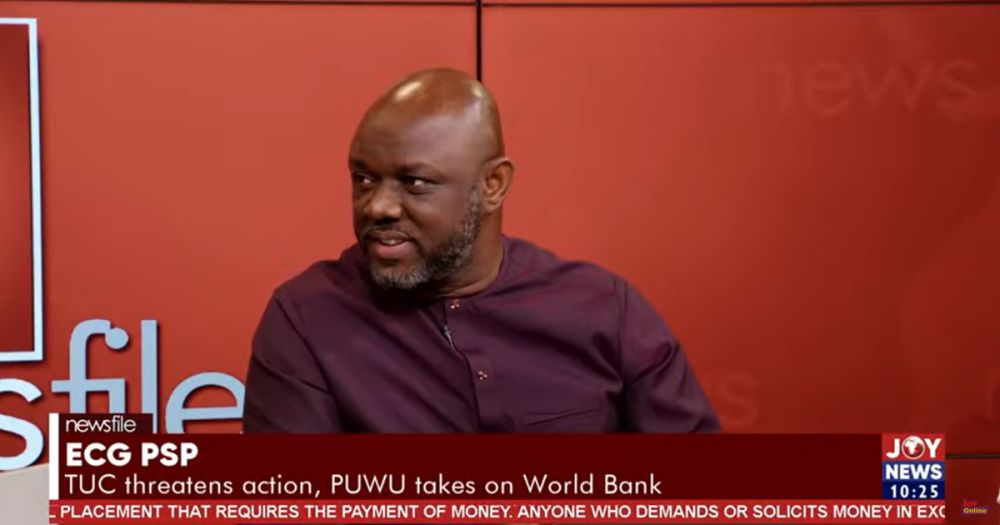
A development expert has laid out a detailed plan for turning Ghana’s 24‑hour economy policies into tangible job creation, urging local governments and communities to take the initiative before national programmes roll out.
The specialist highlighted recent statistics from the Ghana Statistical Service, noting that national unemployment fell from 14.7% in 2023 to 13.0%, yet youth unemployment (ages 15‑35) remains at a crisis‑level 21.9%. He stressed that absorption into formal employment is still low, with many young people stuck in under‑employment or low‑remuneration jobs.
Focusing on his home districts of Volta and Central Tongu, he pointed out that while unemployment rates are slightly lower there, under‑employment and job instability are still pressing issues. He urged citizens to support the government’s move toward a 24‑hour economy by leveraging local resources such as freshwater, clay deposits, arable land and untapped tourism sites.
Drawing on his two‑decade experience in development, he recalled the 2015/2016 Job Creation—Youth Enterprise Support (YES) initiative, which had helped two Central Tongu youths secure national support out of 107 applicants. Although the programme was halted after the 2016 elections, it was recently revived as the National Entrepreneurial and Innovation Programme (NEIP) under President John Mahama.
He listed current national policies that could be mobilised locally, including the 24HE Agro‑Incentive Policy, National Apprenticeship Programme, STEP‑UP, FEED Ghana and the Rapid Industrialisation & Mini‑Processing Plants agenda. He urged local authorities to adopt these policies, package ideas, secure resources and implement pilot projects without waiting for central government funding.
He also warned that without technical and managerial training, policy‑driven job creation initiatives risk failure, as seen in past programmes. He called for a coordinated effort between chiefs, youth and government to build capacity and sustain self‑employed jobs through SMEs.
Moving forward, the expert plans to engage more youths in his district to discuss how existing government policies can be harnessed for start‑ups and scale‑ups, emphasizing confidence in leadership and the need for self‑employment rather than reliance on public payrolls.