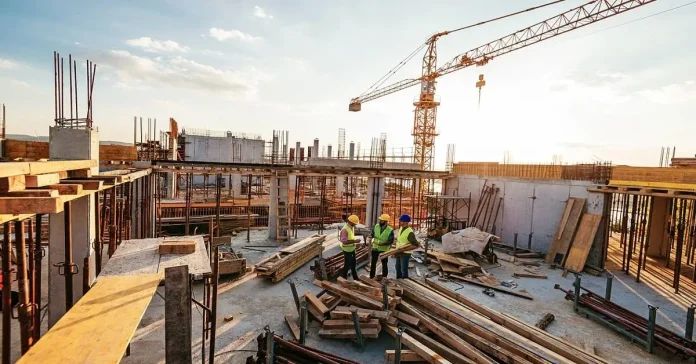
Ghana’s construction and retail sectors are showing signs of softer activity, with cement sales falling and building material prices climbing amid a moderating demand. The Bank of Ghana’s September 2026 Monetary Policy Report recorded a cumulative 10.3% decline in cement sales over the first seven months of the year, dropping to 1.48 million tonnes from 1.64 million tonnes in the same period last year.
July alone saw a 4.9% year‑on‑year fall to 202,218 tonnes, down from 212,735 tonnes in July 2025, while June sales slipped 0.6% to 203,435 tonnes. The slowdown could pressure cement producers, distributors and other suppliers, as lower volumes have not yet translated into lower prices across the market.
Retail sales also declined year‑on‑year in July, falling 1.5% to GH¢236.41 million from GH¢239.89 million in July 2025, though cumulative retail activity increased 2.2% between January and July 2026. The dip in July suggests a temporary slowdown rather than a sustained contraction.
Domestic VAT collections, however, rose 11.5% year‑on‑year to GH¢2.14 billion in July, with cumulative collections up 13.8% to GH¢13.62 billion. The rise may reflect changes in prices, transaction values, compliance or the composition of taxable spending rather than higher sales volumes.
Channel One Market Price Barometer data for September showed price hikes in selected construction materials. A bag of 32.5 R cement rose from GH¢98 to GH¢100, while 42.5 R cement jumped from GH¢109 to GH¢117. Iron rods climbed from GH¢7,300 to GH¢7,500 per tonne, and rough sand increased from GH¢2,700 to GH¢2,800 per double‑axle load. Cement manufacturers had introduced a temporary clinker demurrage surcharge amid congestion at Tema Port, adding to operating costs.
The increase in cement and iron rod prices continues to impact project budgets, particularly for developers and households working with tight financing. Analysts warn that if the slowdown persists, the construction sector could face further cost pressures and reduced demand.