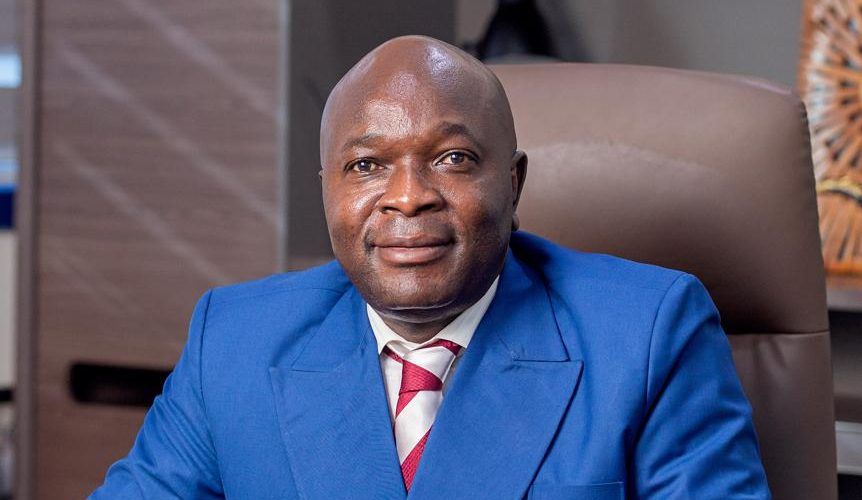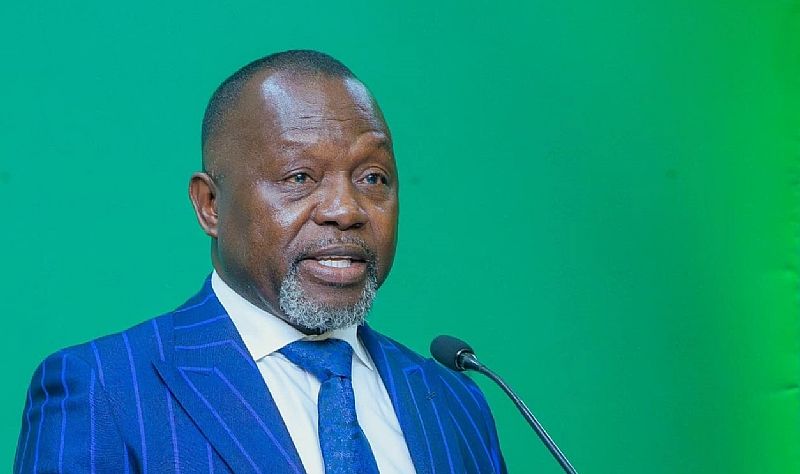

Duncan Amoah, Executive Director of the Chamber of Petroleum Consumers (COPEC), has publicly denied claims that he linked the Jubilee House to Ghana’s recent cocaine seizure. The allegations surfaced after a discussion on measures to curb drug trafficking through the Tema Port, which the media mistakenly attributed to him.
Amoah clarified that he has never accused the presidency of involvement in the trafficking of illicit drugs in Ghana or abroad. His remarks focused on the need to strengthen security systems at Ghana’s ports to prevent traffickers from exploiting them. He described the report linking his comments to the Jubilee House as inaccurate and false, and said he was considering legal action against those responsible for publishing it.
"I have never said anywhere, and I repeat this, never said anywhere that they said the drug haul had anything to do with the Jubilee House. For an online portal to do an attribution that suggests that I am saying the Jubilee House has to do with that drug haul, it is not factual, it is not correct, it is inaccurate, it is false reporting. I intend really to sue these guys who have done this sort of thing," Amoah added.
He welcomed the government’s decision to change personnel and install new scanners at the ports, saying the measures could help strengthen efforts to detect illicit drugs. The comments come after French authorities intercepted nearly 3.9 tonnes of suspected cocaine in a container shipped from Ghana, prompting renewed scrutiny of the country’s cargo screening and clearance systems.
President John Mahama subsequently convened a high‑level meeting of security, customs and port‑sector agencies to review vulnerabilities in Ghana’s anti‑narcotics controls. Amoah’s statements highlight the ongoing debate over port security and the need for accurate reporting in the media.
As the situation develops, observers will watch for any legal action Amoah may pursue and for further government measures to tighten cargo screening at Ghana’s key ports.