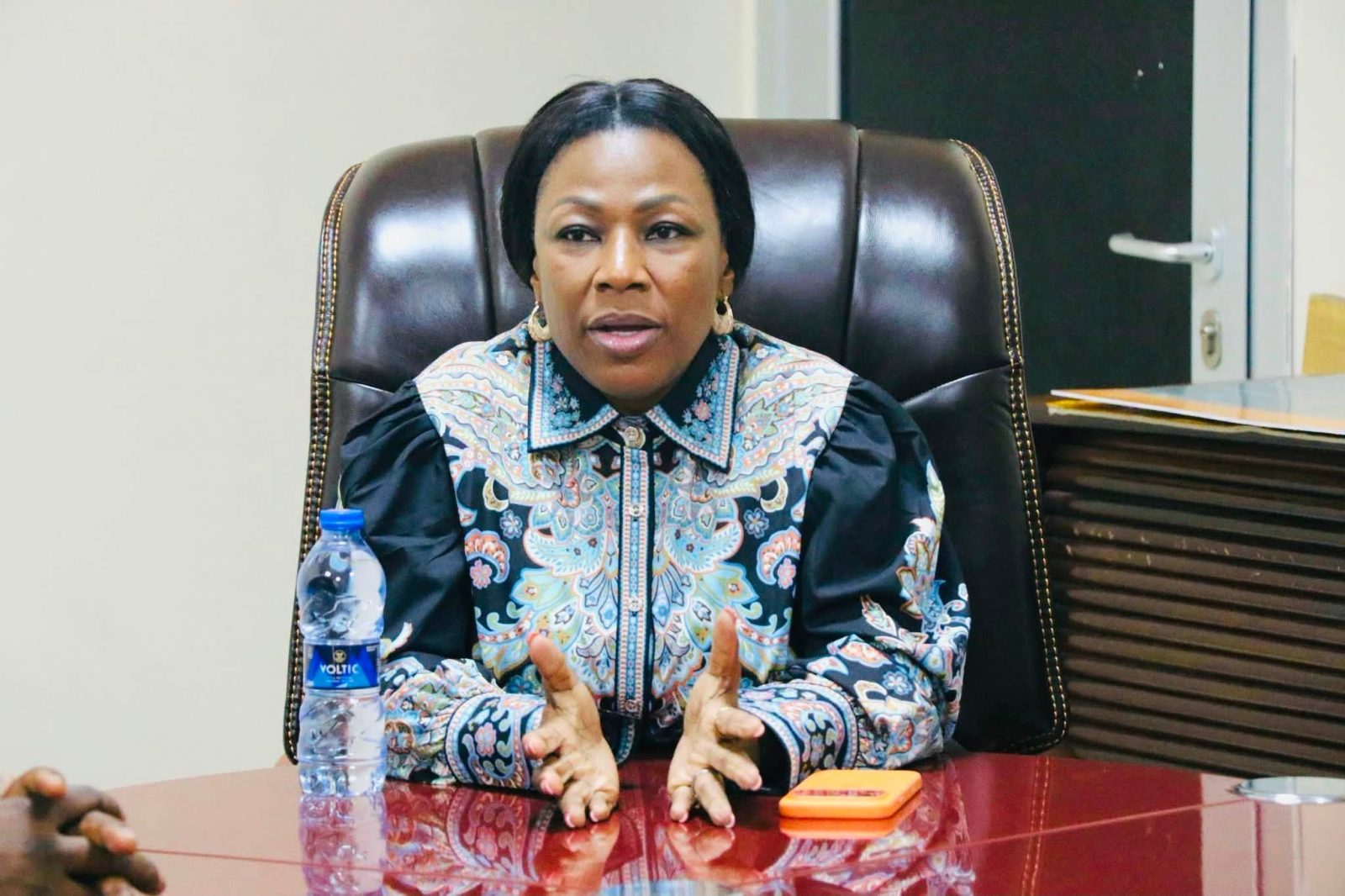
Dr Ayensu Danquah was in the Ashanti Region on a two day visit as part of the third phase of the Regional Ecosystem Assessment under the Maternal Mortality Action and Response Programme, an exercise meant to feed into a National Roadmap for cutting maternal deaths by identifying gaps in service delivery, referral pathways, emergency obstetric care and community level barriers.
She described maternal mortality as the worst performing index in Ghana's entire health system, noting the country recorded around 945 institutional deaths in 2025 alone. A lot of effort has gone into the problem already, she said, but the results simply are not showing, which means something on the ground has to change.
Digging into the causes, the Deputy Minister pointed to health workers at the primary care level failing to spot high risk pregnancies early enough and escalate them fast. She painted a scenario familiar to many, a severely pregnant woman turning up at a health centre, not being flagged in time, and losing dangerous amounts of blood before she can reach a district hospital equipped to handle her case.
Ashanti Regional Director of Health Services Dr Fred Adomako Boateng also pushed back on a common misconception about Komfo Anokye Teaching Hospital, explaining that 91.6 per cent of maternal deaths recorded there were actually referrals from other facilities, with KATH itself only directly responsible for 8.3 per cent of the region's total maternal deaths. The rest, he said, came from CHAG and GHS facilities within and outside the region.