Thousands of ‘cockroach’ protesters are set to return to the streets of Delhi on Friday, days after police prevented their last mass demonstration and jailed two of their leaders. The Cockroach Janta Party (CJP), a youth‑led movement demanding electoral reforms, has called on supporters to gather at Central Park in Connaught Place, a busy commercial district.
The call follows the five‑day jailing of two CJP leaders after they entered Jantar Mantar, a protest site recently declared off‑limits by police. What began as a campaign against alleged electoral fraud has since become a wider fight over the right to protest, with Central Park also not an approved protest venue.
The Delhi High Court declined to restrain the CJP after a local trader petitioned against Friday’s protest, citing traffic and business disruptions. CJP founder Abhijeet Dipke has named the protest “Lehra Do Tiranga” – Wave the Tricolour – and said he is prepared to risk arrest himself.
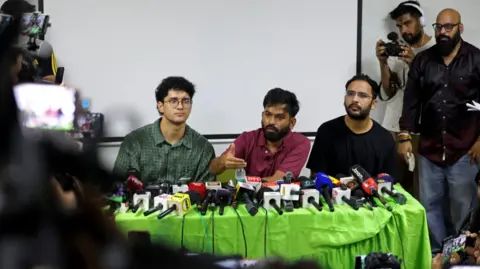
Police barricades and mass detentions prevented many protesters from joining the demonstration last Saturday. Dipke urged those unable to reach Delhi to raise the Indian flag and protest wherever they are. The CJP has evolved from a May online protest into one of the most visible expressions of youth anger at Prime Minister Narendra Modi’s government, now targeting the Special Intensive Revision (SIR) of electoral rolls that critics say has removed more than 130 million names.
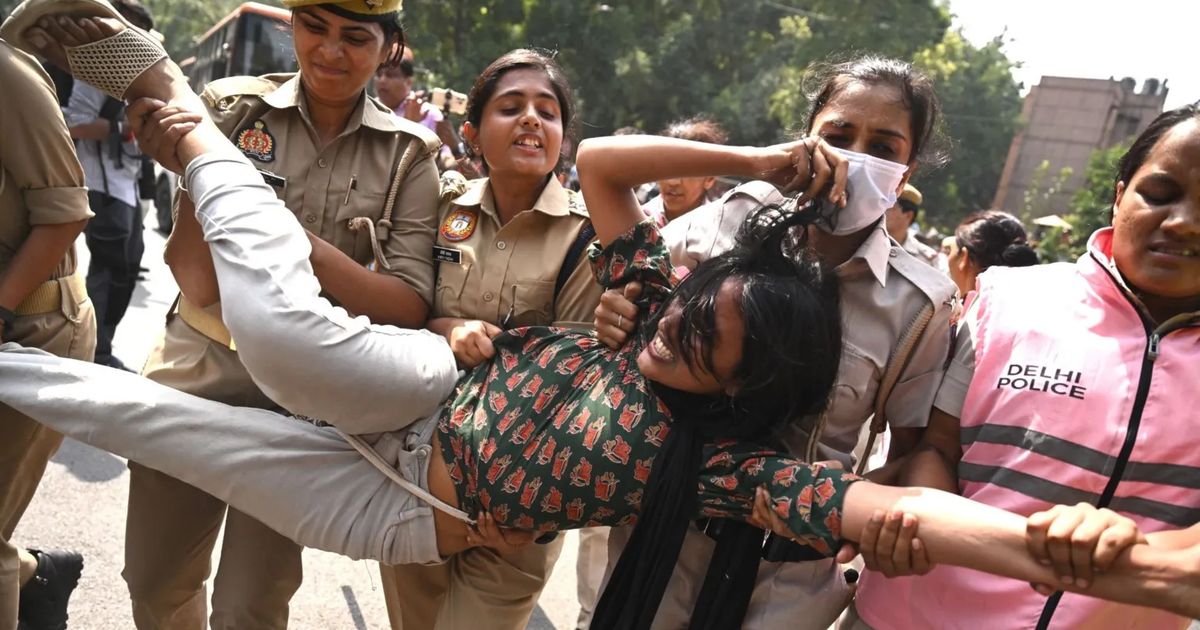
Dipke and two senior organisers, Saurav Das and Ashutosh Ranka, were detained from within an aircraft upon landing in Delhi. The capital was put under a sweeping security lockdown, with tens of thousands of police and paramilitary personnel sealing roads, shutting metro stations and intercepting protesters before they could reach Jantar Mantar. BBC footage showed protesters being seized, dragged onto buses and, in some cases, assaulted by police.
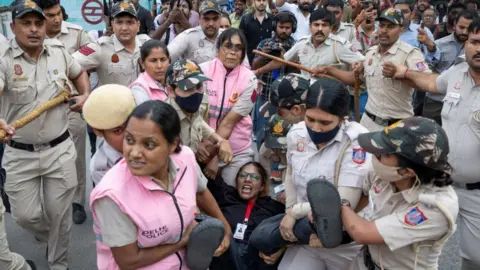
The CJP likened the police action to India’s Emergency, when civil liberties were suspended between 1975 and 1977. Delhi police defended the measures as necessary to maintain public order. Dipke, Das and Ranka were released on Sunday after agreeing to maintain peace and good behaviour, but the CJP’s leadership is now depleted.
Despite the crackdown, Dipke insists the march will go ahead. “I also may be jailed after this, but I am not worried. Tricolour is my pride and I will raise it,” he said in a video message. Police are preparing for another large gathering in the heart of Delhi, with senior officers discussing security arrangements and possible traffic restrictions around Connaught Place.
As the CJP’s campaign unfolds alongside a separate wave of protests by India’s opposition parties, the next Friday’s demonstration will test the limits of Delhi’s policing and the public’s appetite for dissent.