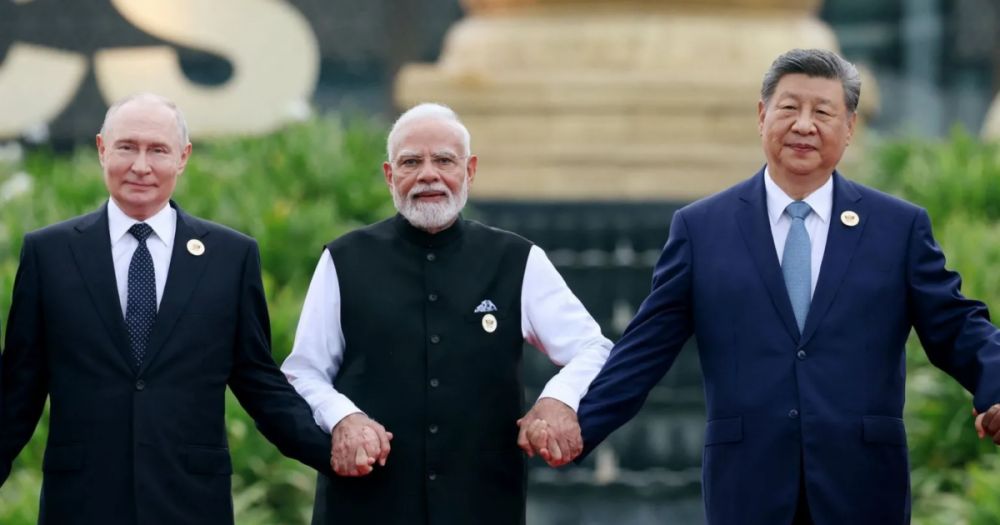
Indian Prime Minister Narendra Modi opened the weekend’s Brics summit in Delhi with a call for the group’s leaders to become “rule‑shapers” rather than “rule‑takers”. The round‑table, set around a vast circular table, hosted heads of state from China, Russia, Iran, the United Arab Emirates, South Africa and India.
Modi’s message came at a time when the Iran war has reshaped global alliances and exposed fissures within the bloc. The summit’s “New Delhi Declaration” was adopted on day one, yet it deliberately avoided naming Russia’s war in Ukraine or naming the United States in its trade clauses, a move analysts say reflects India’s desire to stay neutral between rival powers.
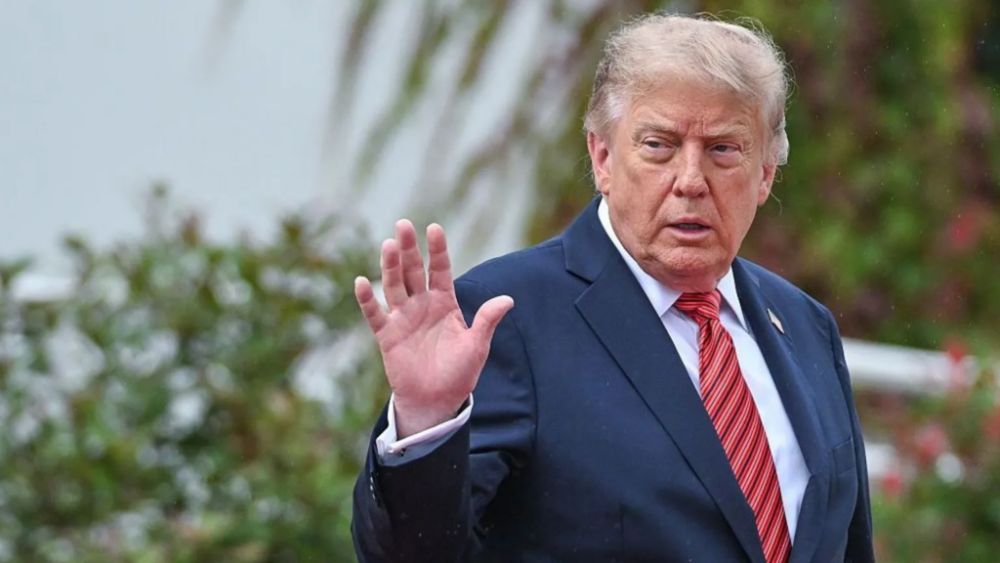
While the declaration urged “maximum restraint” in the Middle East and condemned attacks on civilian infrastructure, it stopped short of assigning blame. It also condemned “indiscriminate rising tariffs” and unilateral sanctions, signalling a cautious stance on trade that could sidestep Washington’s ire.
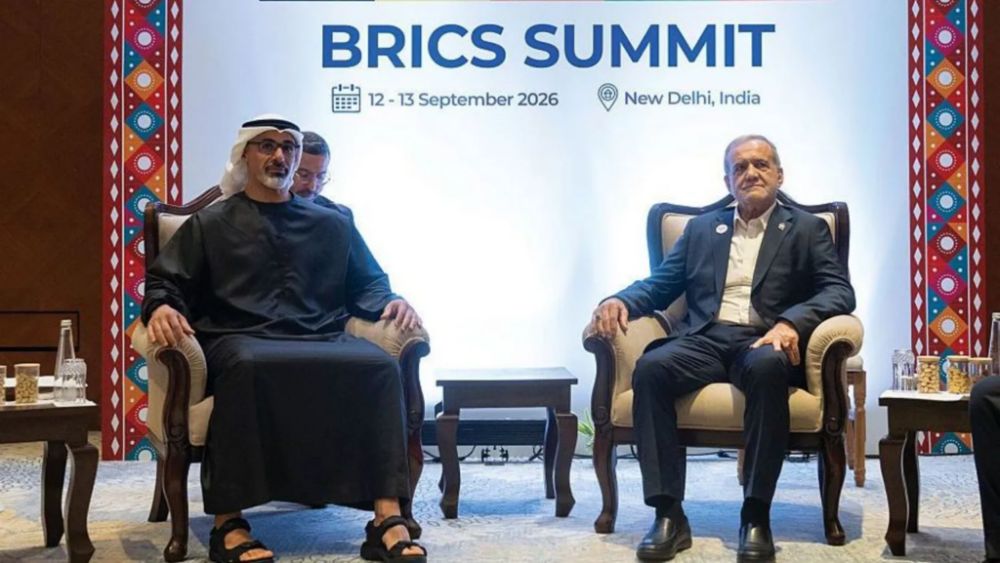
Notably, the summit facilitated the highest‑level face‑to‑face meeting between Iran’s President Masoud Pezeshkian and the UAE’s Crown Prince Sheikh Khaled bin Mohamed bin Zayed Al Nahyan, a dialogue that had been stalled since the war began. Pezeshkian used the platform to push for deeper economic ties with Brics members such as Malaysia, India and Ethiopia.
China’s President Xi Jinping, visiting Delhi after seven years, met Modi in a brief handshake. The two leaders agreed to strengthen business ties and transport links, signalling a gradual warming of relations despite the 2020 border clash and a large trade imbalance favouring China.
Veteran Indian diplomat Anil Trigunayat noted that India has managed to keep the bloc from becoming an anti‑Western bloc, emphasising “strategic autonomy in an era of war”. He added that while the summit achieved a joint declaration, it did so by sidestepping sharp disagreements, leaving the question of a concrete new global order unresolved.
As Brics members grapple with the need for a new global order, the summit’s outcomes highlight both the potential for dialogue among rivals and the challenges of translating consensus into tangible policy.