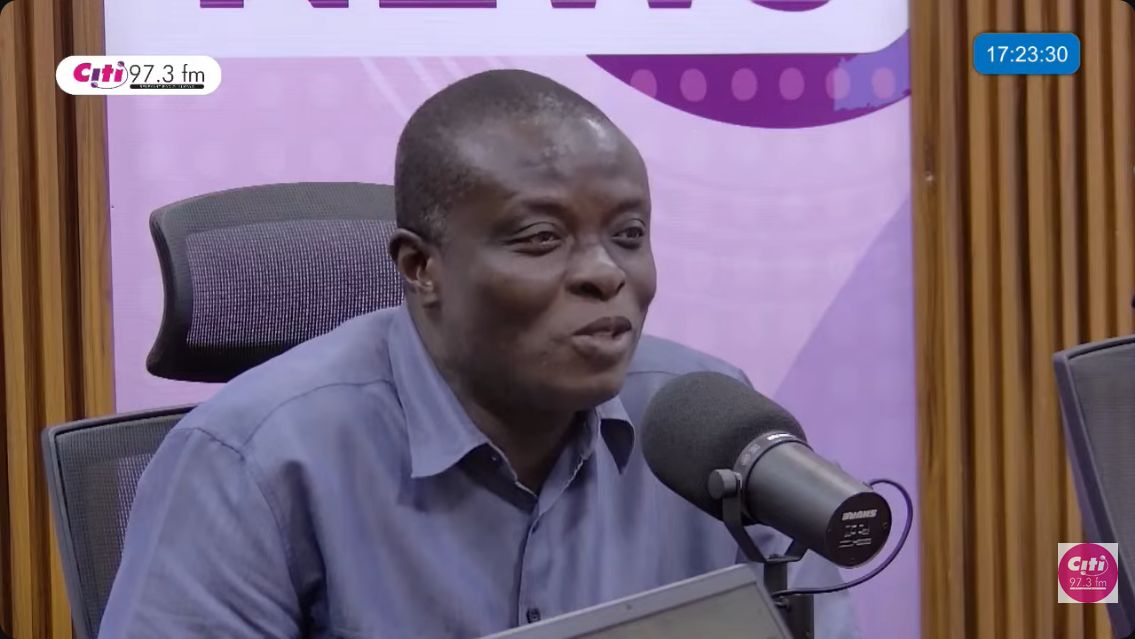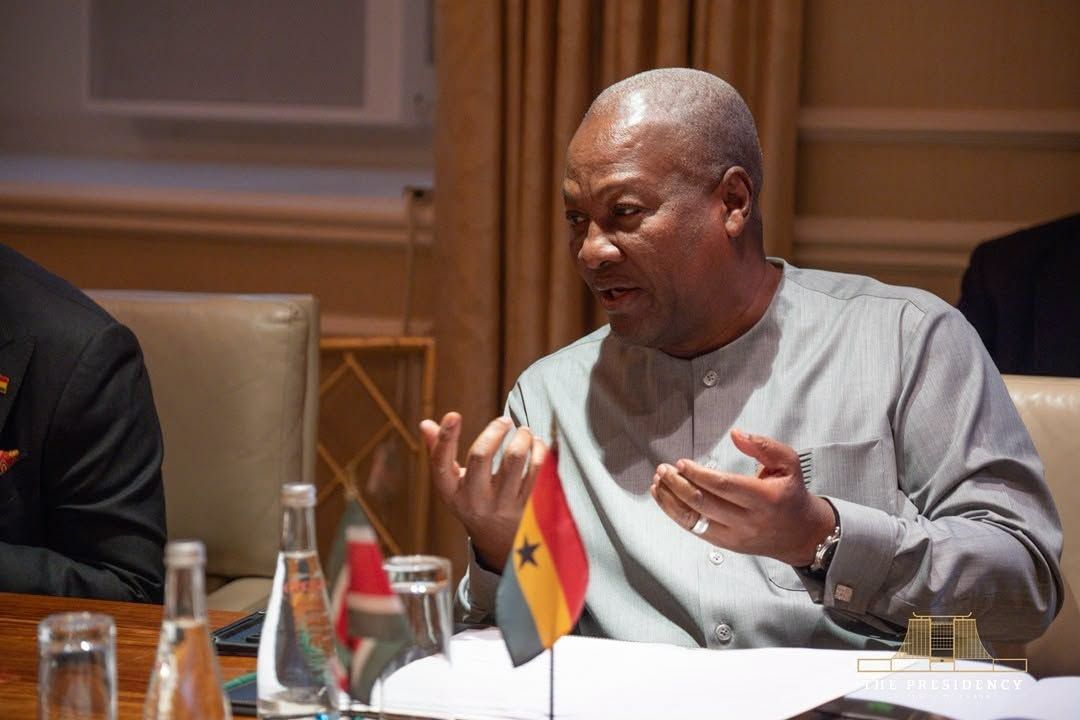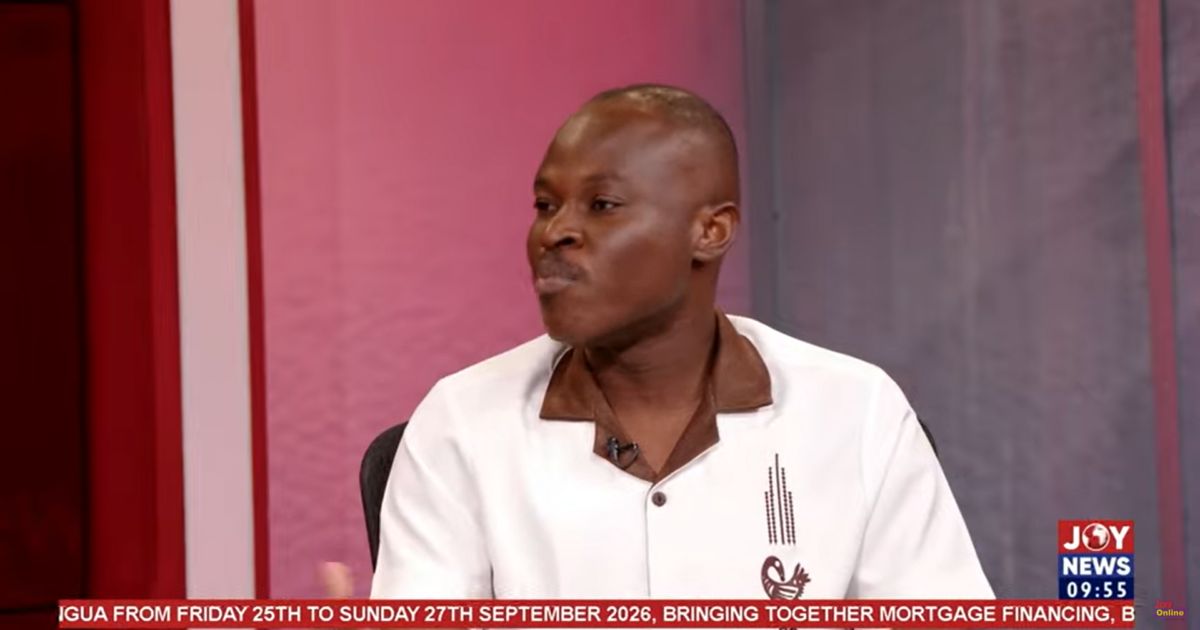
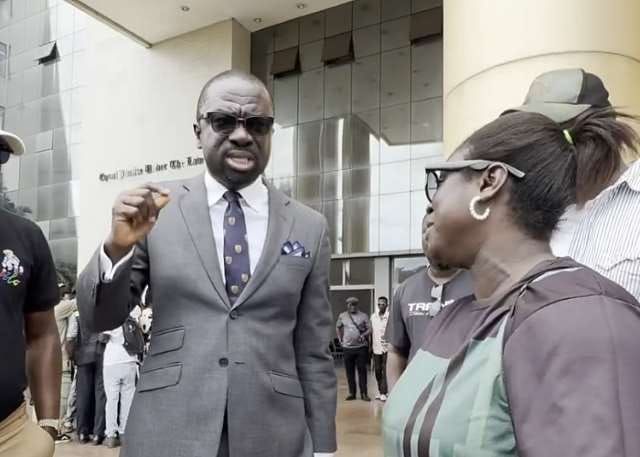
On Wednesday, the Ghanaian capital witnessed an unprecedented encounter between the Economic and Organized Crime Unit (EOCO) and Manhyia South MP Nana Agyei Baffour Awuah. EOCO claimed it had tried to arrest the MP after he allegedly missed two February invitations, which the MP contended were addressed to the senior partner of his former law firm.
According to EOCO, the MP was approached by a woman who did not present identification or an arrest warrant, and the MP expressed fear of kidnapping, insisting on using EOCO’s vehicle. The MP then drove away and later appeared at Parliament, which was in recess at the time. EOCO stated it respects parliamentary privileges but that being an MP does not exempt one from investigation or arrest.
The incident has sparked debate over the proper protocol for investigative agencies when dealing with elected officials. Critics argue that sending a single officer to a potentially high‑risk situation without adequate support was ill‑prepared, and that the MP’s rapid move to Parliament was a tactical use of parliamentary privilege to avoid arrest.
Article 117 protects parliamentary privilege in specific circumstances, but it does not grant blanket immunity from investigation. The MP is urged to produce the alleged invitations and allow the courts to determine the legality of the arrest attempt. EOCO has been called on to review its procedures to prevent future incidents that could be perceived as ambushes or political theatrics.
As the case unfolds, observers will watch whether the MP’s actions are deemed a legitimate exercise of privilege or a strategic shield against accountability. The outcome could set a precedent for how investigative bodies engage with parliamentarians in Ghana.