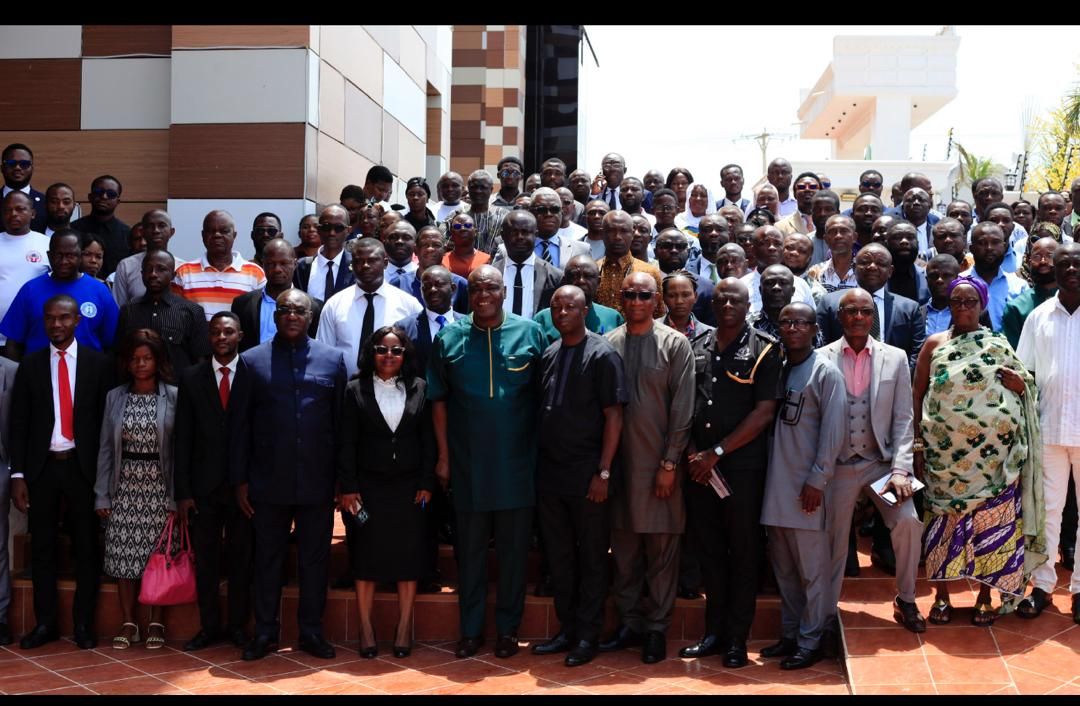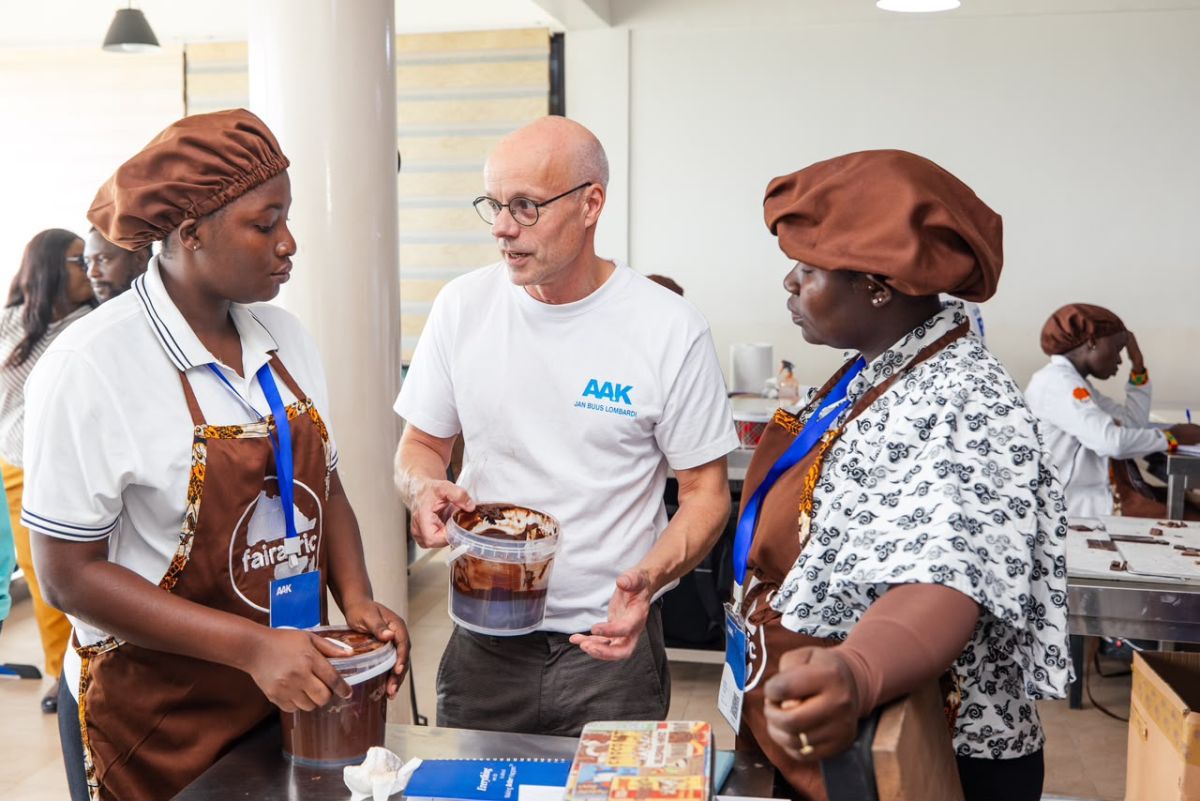
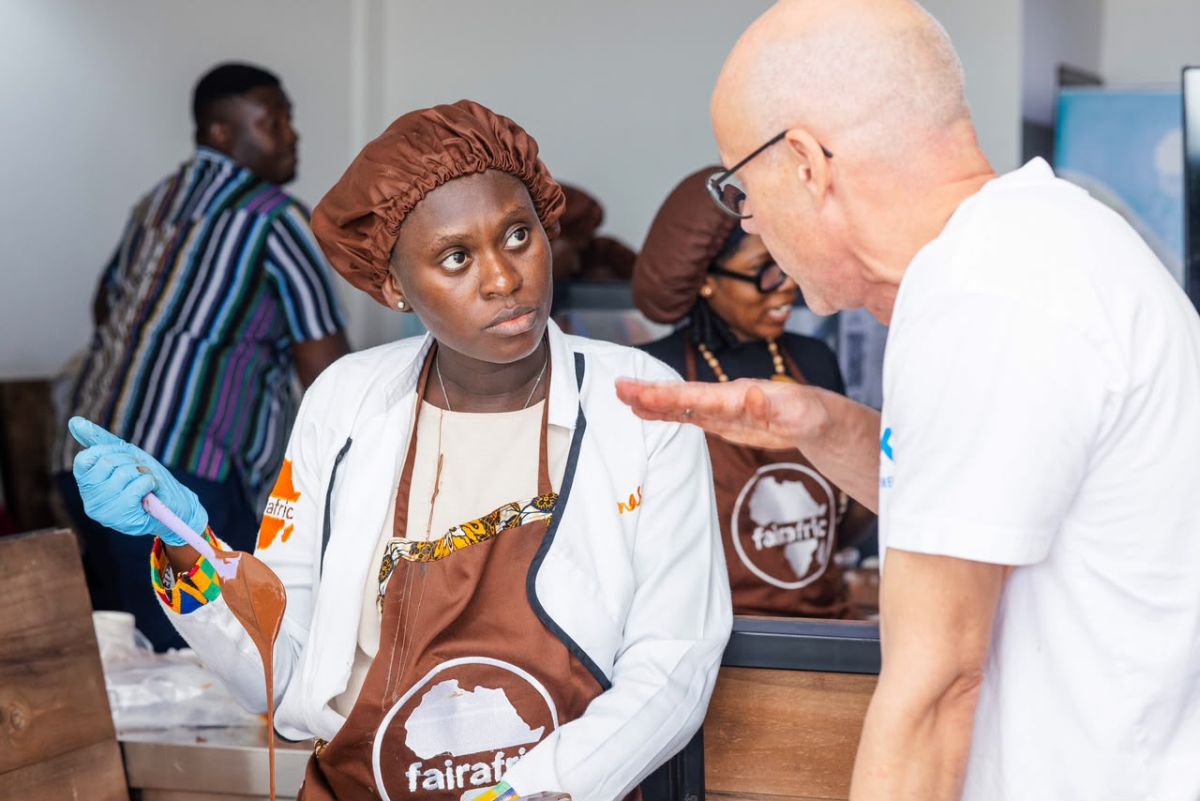
AAK West Africa’s second AAK Academy Ghana ran from 7 to 8 October at FairAfric Ghana Limited in Amanase‑Suhum, training 22 local chocolate and confectionery companies in hands‑on techniques such as tempering, fillings, pralines, coatings and sensory evaluation.
The programme followed the June 2026 inaugural academy, moving from industry knowledge sharing to practical application. Participants worked directly with chocolate and compound masses, practising tempering and exploring ways to improve heat stability and product consistency.
AAK’s Global Application Manager for Confectionery and Chocolate, Anders Dahl Pedersen, stressed that quality ingredients must be paired with proper processing to achieve consistent results. He highlighted tempering’s role in chocolate crystallisation and maintaining consumer expectations.
Apovo Confectionery CEO Priscilla Brukmani‑Nisah welcomed the training, noting a shea‑butter‑based cocoa butter substitute could help manage costs and cater to vegan consumers, while calling for better access to cocoa beans.
Bon Cacao founder and lead chocolatier Nicole Setrue said the workshop deepened her understanding of tempering and environmental impacts on quality, and identified limited raw material access, regulatory hurdles and scarce technical training as key challenges for Ghanaian makers.
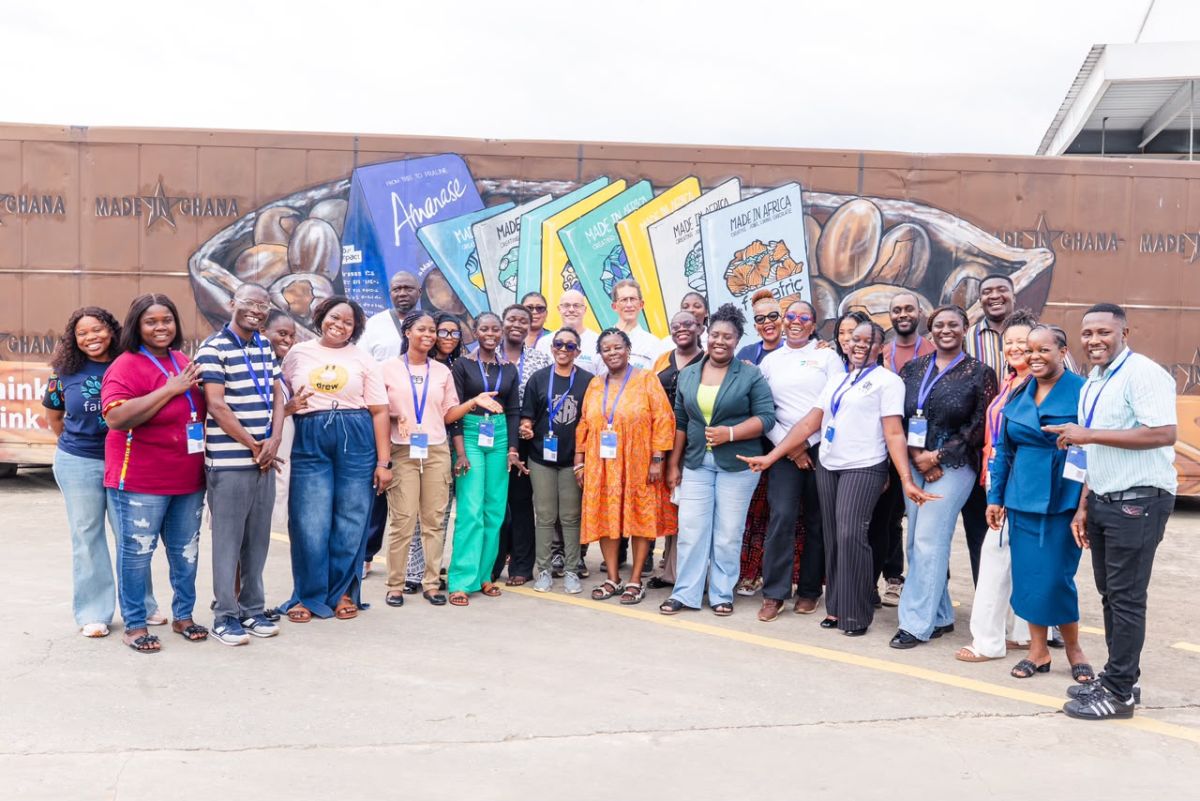
The academy, led by specialists Pedersen and Jan Buus Lombardi—each with over 25 years of international experience—aims to help local businesses develop new products, improve processes and compete in domestic and global markets.
AAK’s initiative is part of a Memorandum of Understanding with Ghana’s Ministry of Food and Agriculture, supporting innovation, technical capacity development and value creation in the country’s agricultural and food manufacturing sectors. The company also runs a shea sourcing programme and is developing a shea processing facility, linking rural livelihoods to higher‑value food production.
Despite the training, participants highlighted ongoing challenges: limited access to cocoa beans and other raw materials, regulatory requirements and a lack of specialised technical education. Addressing these will need continued collaboration between government and industry to support investment, local value addition and sustainable cocoa and shea value chains.