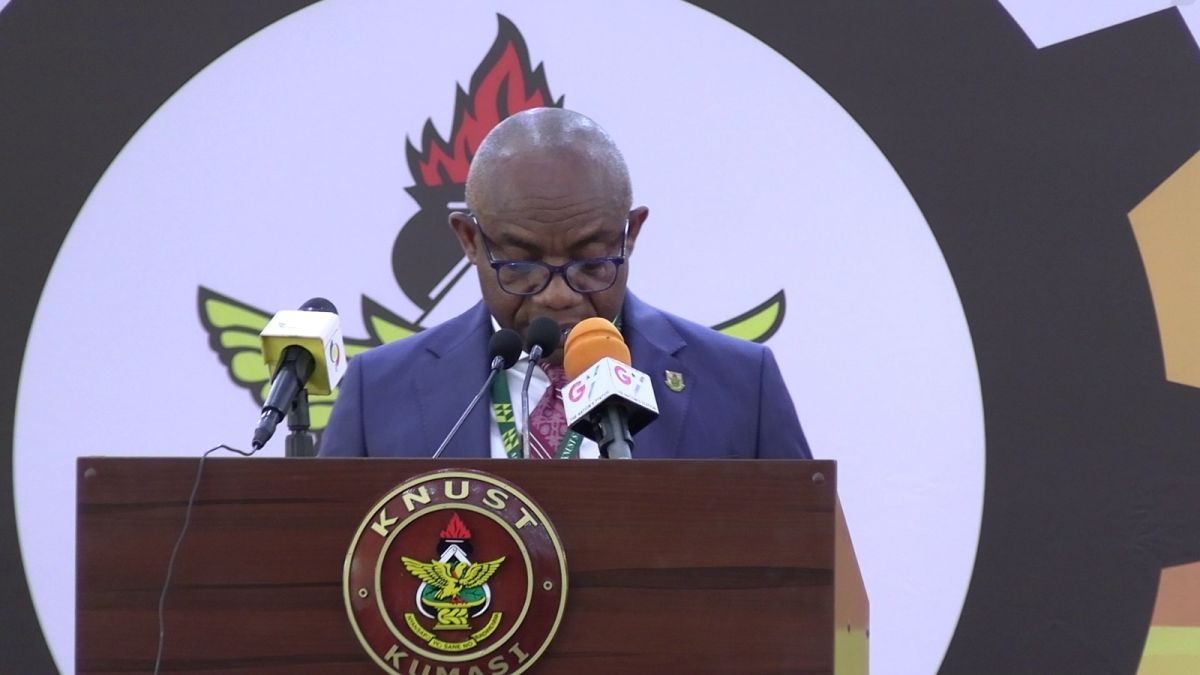

The 24‑Hour Economy Secretariat and the Accelerated Export Development Authority have secured financing commitments exceeding GH¢1 billion to support Ghana’s poultry value chain. The funding, announced at the National Transformation Poultry Programme stakeholder discussions in Accra, aims to boost local production, create jobs and reduce the country’s dependence on imported chicken.
Funding Team Lead Arnold Parker said the monies will be used across the entire value chain, covering feed production, day‑old chick supply, equipment, processing, storage and veterinary services. He noted that the first phase of the programme will target about GHS300 million, with additional financing expected after the initial implementation cycle.
Private sector actors, notably ABSA, Fidelity and Ecobank, will provide the bulk of the financing. Mr Parker stressed the need for structures that enable efficient drawdown of the funds and their effective deployment across the industry.
The initiative is part of Ghana’s Accelerated Export Development agenda, which seeks to position locally produced poultry products for regional and international markets. It also aims to address the fact that in 2022 the country consumed about 324,047 metric tonnes of poultry but produced only 15,000 metric tonnes locally – a mere 4.6 % of demand – meaning roughly 95 % of poultry consumed in Ghana is imported.
Mr Parker said the new financing framework would provide targeted support throughout the value chain while strengthening enterprise management and technical capacity. He added that banks and industry players would work together to develop customised financing solutions that reflect the realities of poultry production cycles, rather than relying on conventional lending structures that often place undue pressure on farmers.
The Secretariat will collaborate with research institutions, including the Council for Scientific and Industrial Research, to improve productivity and support innovation in the industry. The programme is expected to reduce the annual spend of about US$400 million on imported poultry products, according to the Ghana National Association of Poultry Farmers.
With the funds in place, the next step will be to establish the necessary mechanisms to draw down the financing and deploy it across the industry, Mr Parker said, underscoring the importance of a coordinated effort between public and private sectors.