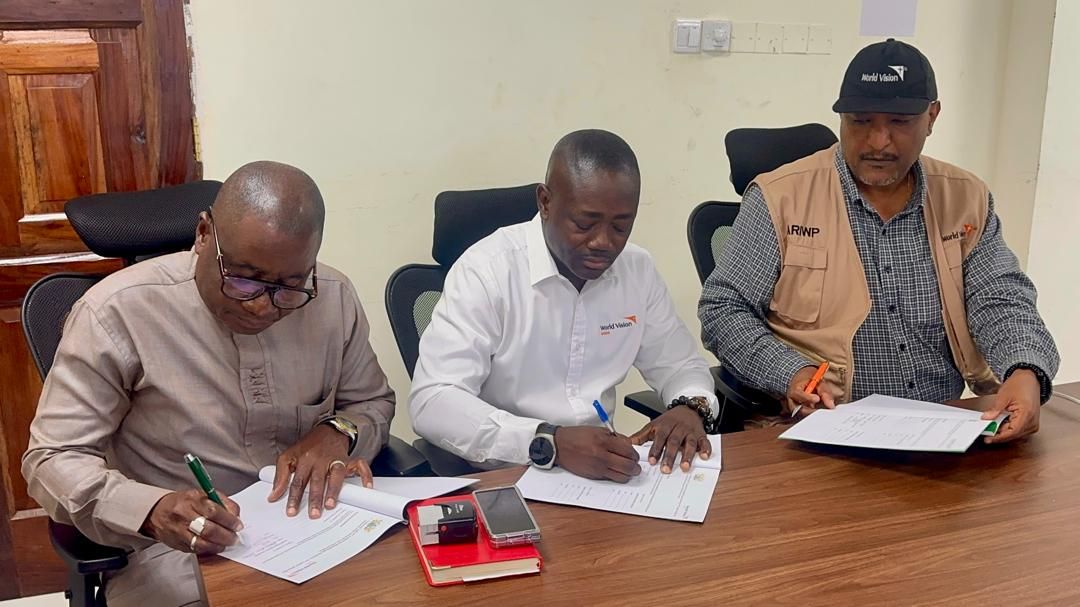
A new two‑year partnership has been launched in the West Mamprusi Municipality of Ghana’s North East Region to strengthen community agency, improve water, sanitation and hygiene (WASH) access, enhance livelihoods and deepen government accountability. The initiative, known locally as Ting Labginsim, is a collaboration between Advocates for Community Alternatives (ACA), Spark MicroGrants, Water and Sanitation for the Urban Poor (WSUP) and the West Mamprusi Municipal Assembly.
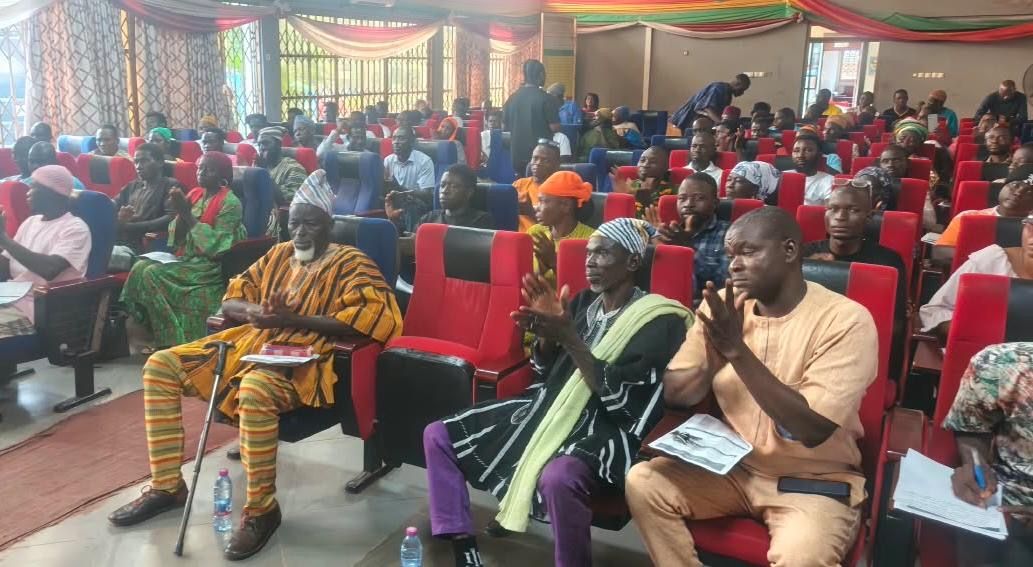
Implemented in 100 communities across the municipality, the project allows residents to identify their own development priorities, mobilise local resources and work collectively to address challenges. The launch in Walewale was marked by ACA Director of Community‑Driven Development Nana Ama Nketia‑Quaidoo, who explained that the project is built on the belief that communities possess the knowledge and capacity to solve many of their own problems when given the right information, facilitation and resources.

“We do not come to communities saying: ‘We know what you need.’ Instead, we ask: ‘What is important to you? What do you want to change? What can you do together, and how can we support you to achieve it?’” Nana Ama said. She added that the project will use ACA’s Facilitated Collective Action Process (FCAP), a community‑driven approach that has already delivered projects in 107 communities in other districts, including clinics, schools, boreholes and small‑scale industries.
Under Ting Labginsim, each community receives a US$8,000 microgrant, totalling US$800,000, while the municipal assembly contributes US$400 per community, amounting to US$40,000 in counterpart funding. The assembly will provide technical support, monitoring, coordination and links between community priorities and municipal development planning, with the aim of strengthening local ownership and integrating community priorities into the municipality’s broader plans.
A steering committee chaired by West Mamprusi Municipal Chief Executive Mohammed Rabiu Jabaah will oversee the initiative, meeting quarterly to review progress, address challenges and explore innovations. Spark MicroGrants Ghana Country Director Ann Squire highlighted that the intervention reflects the organisation’s belief that people closest to a problem are often closest to its solution, and that the three objectives—clean water and good hygiene, decent livelihoods and responsive governance—are interconnected.

WSUP will provide technical expertise, particularly where community priorities intersect with WASH needs, while women, young people, persons with special abilities and other traditionally excluded groups are expected to participate actively in planning and implementation. ACA will measure success not only by completed projects but also by whether communities continue to meet, plan together, mobilise local resources and address their development challenges after external support ends.
With implementation already underway across the 100 communities, the initiative is expected to strengthen collaboration between citizens and local government while supporting community‑led development in the West Mamprusi Municipality.