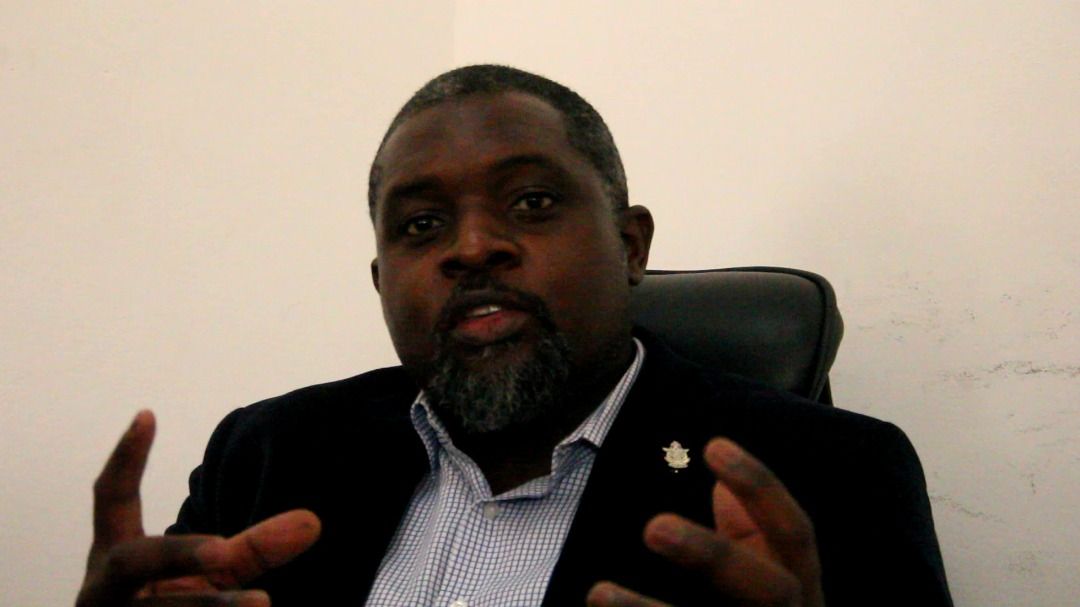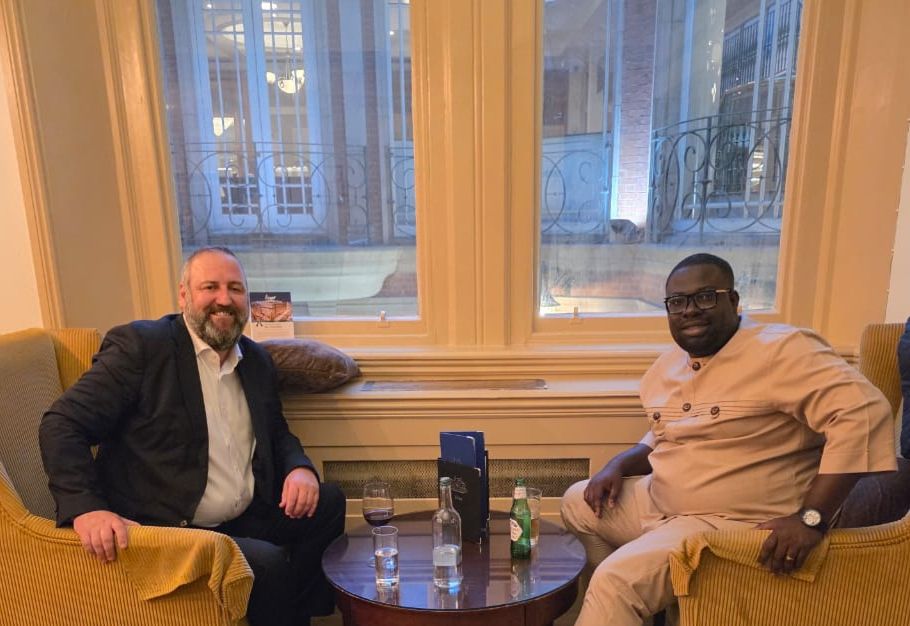
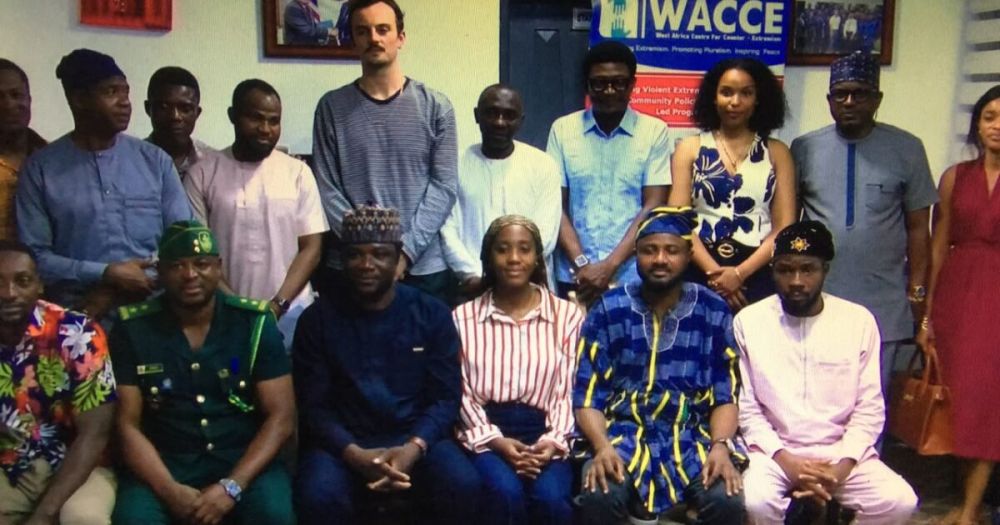
On September 11, Mutaru Mumuni Muqthar, Executive Director of the West Africa Centre for Counter‑Extremism (WACCE), appealed to the Ghanaian government to declare a state of emergency in regions heavily affected by illegal mining, known locally as galamsey. Speaking at the 9/11 Memorial Security Dialogue held at WACCE’s Accra office, Mr Muqthar warned that unchecked galamsey is creating pockets of social insecurity that extremist groups could exploit.
He argued that the country’s security challenges demand an emergency response to tackle illegal mining and other vulnerabilities. “If you look at the challenge of galamsey and ethnic conflict, these are vulnerabilities that can be exploited by extremist groups,” he said. “Galamsey is a crisis that should have been declared a national emergency long ago, and we must ensure that we deal with it in ways that we have never done before.”
Also on the panel was Adib Saani, Executive Director of the Jatikay Centre for Human Security and Peace Building, who called for greater civil society involvement in national security decisions. Saani noted that CSOs are often better positioned to understand community security concerns due to their regular interactions with residents. “It is important to recognise that this should not be left to the men and women in uniform alone,” he said. He urged the National Security Secretariat to collaborate more closely with civil society organisations when designing and implementing security programmes, warning that programmes launched without local input are likely to fail.
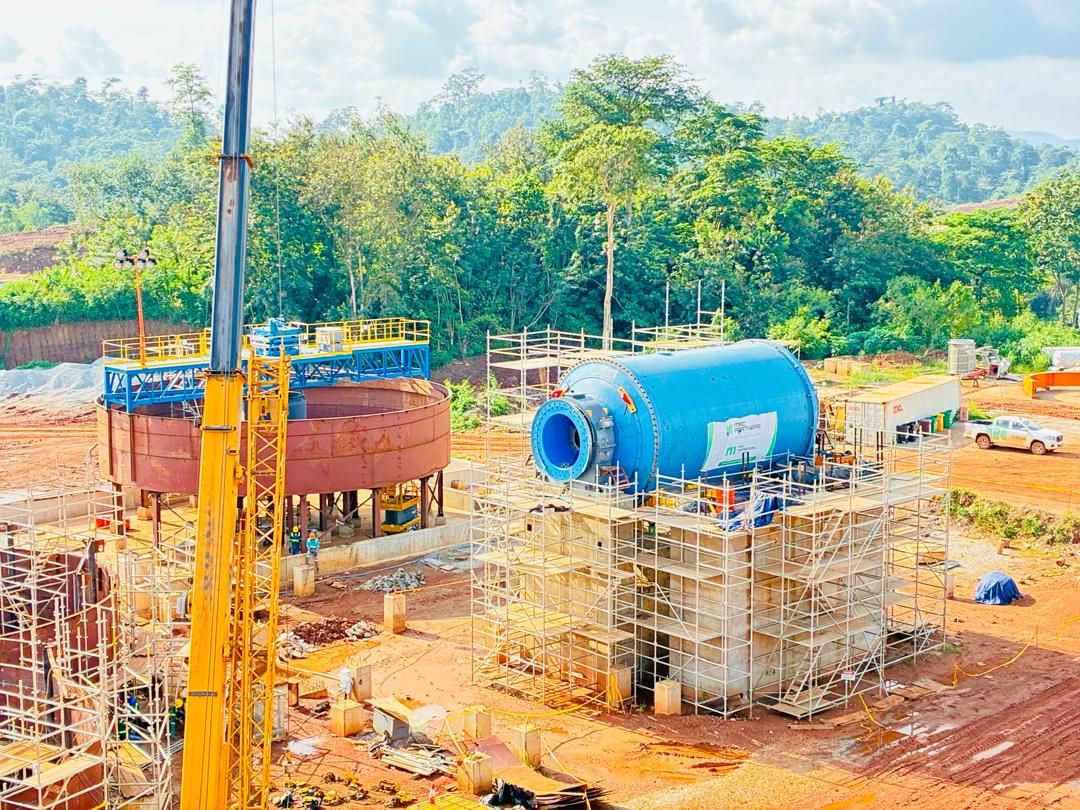
The call comes amid growing concerns that illegal mining not only degrades the environment but also fuels social unrest and provides fertile ground for extremist recruitment. Ghana’s authorities have yet to declare a formal emergency, but the WACCE and Jatikay Centre’s statements highlight the urgency of a coordinated response.