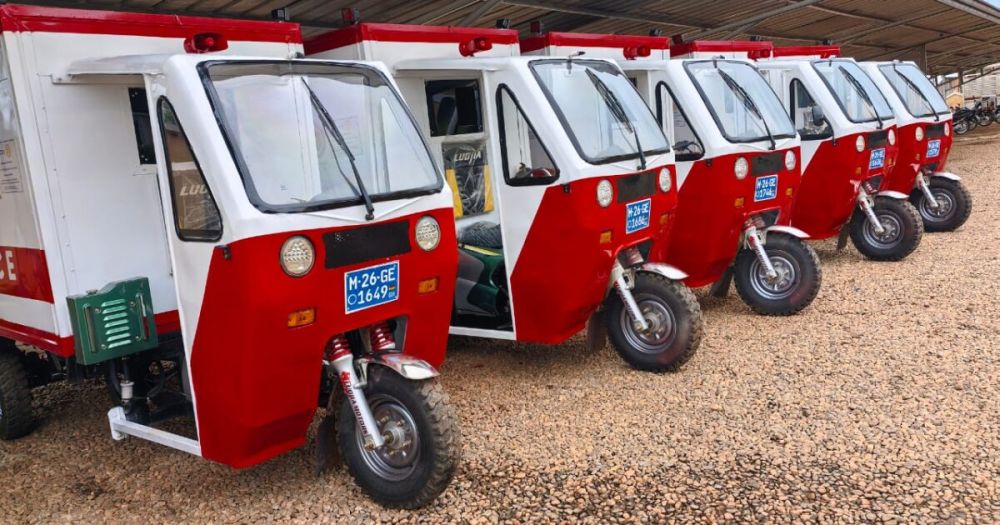
Five new ambulances have been dispatched to the Upper West Region’s most isolated CHPS compounds, a move that follows years of families battling broken roads and a lack of emergency transport. The vehicles will serve Kataah, Kulkpong, Kpaglahi, Vieri and Egu, where residents have long depended on motorbikes, tricycles or the goodwill of neighbours to reach hospital care.
Community health nurses and local volunteers have described a grim routine: when a child is injured or a woman goes into labour, they scour the neighbourhood for any motorbike that can handle the pothole‑laden roads. If none is found, the patient may wait hours, sometimes overnight, until a driver is available. The result has been preventable deaths, including a boy in Suglo’s village who died before help arrived and a pregnant aunt in Razak’s family who lost her life during a late‑night transfer.
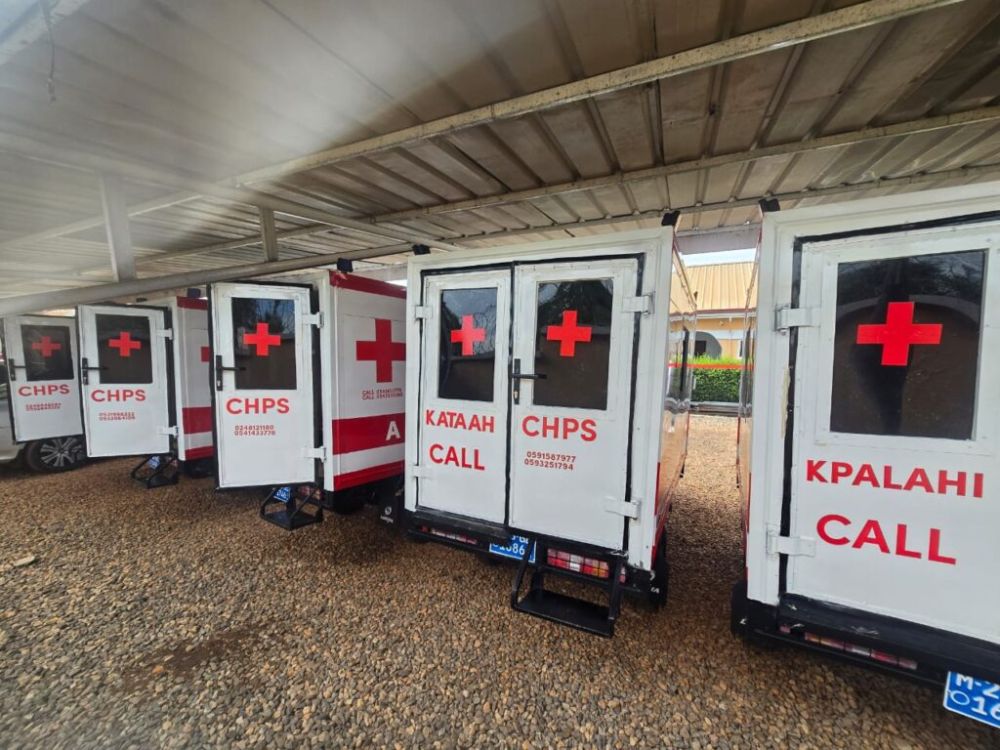
“If it’s a serious emergency, we have to call for an ambulance, then we transfer the person to the regional hospital or the municipal,” says Bright Addae, a CHPS nurse. “But even when an ambulance is called, there is no guarantee that one will arrive.” The lack of a reliable system has forced residents to rely on motorbike riders like Abboudi Idrisu and Moses, who have spent the last 27 years ferrying patients on their bikes, often under the cover of darkness.
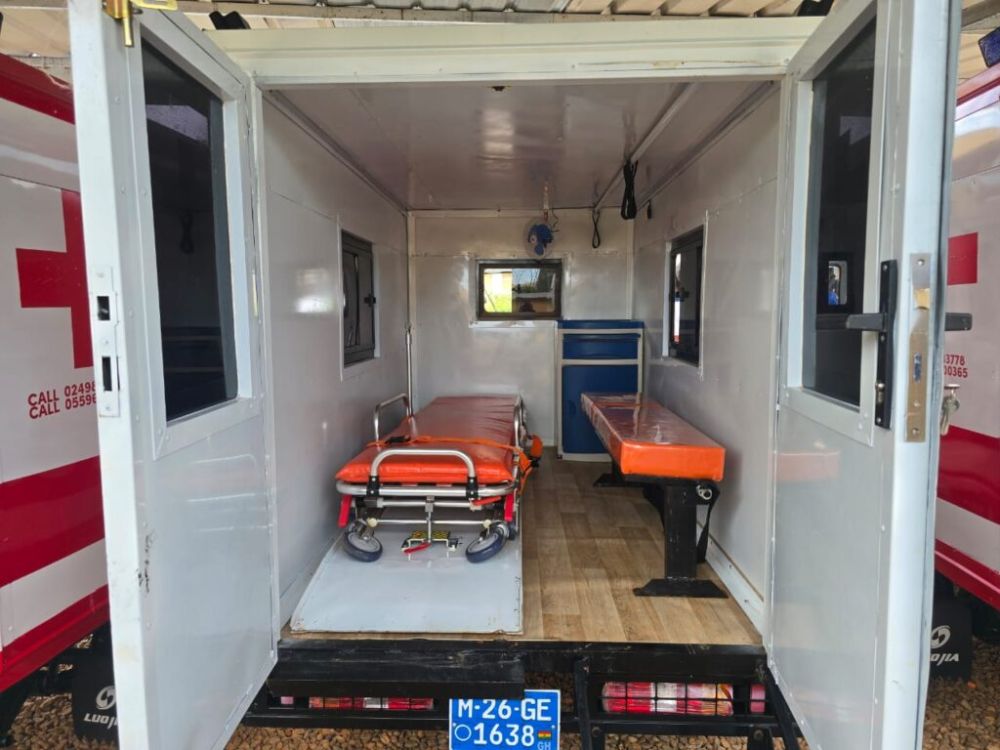
Health officials in the region noted that maternal deaths rose to 19 in 2023, up from 16 the year before, and that almost half of all maternal deaths occurred within a day of reaching a hospital. The new ambulances are expected to reduce these delays and improve survival rates for mothers and children alike.
While Ghana’s national ambulance fleet has grown to 356 vehicles by 2023, the Upper West Region had previously lacked any dedicated emergency transport. The arrival of the five new ambulances marks a significant step toward bridging that gap and ensuring timely medical care for the region’s most vulnerable communities.