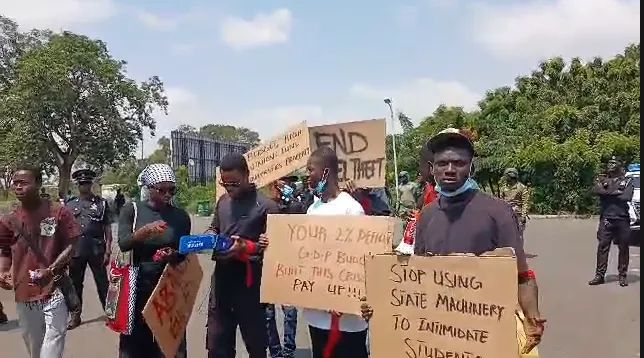
On 9 November, students of the University of Ghana staged a demonstration outside the main campus to oppose a proposed increase in hostel accommodation charges. The University of Ghana Enterprises Limited had initially floated a 26 % hike, later revised to a 15‑19 % rise after stakeholder engagement. The students, however, rejected the revised rates, particularly the 15 % increase for standard four‑in‑a‑room rooms, and demanded the abolition of the UGEL hostel management framework and greater transparency in fee setting.
The Economic Fighters League (EFL) issued a statement through its Students Command, commending the Concerned Students of the University of Ghana and allied groups for taking to the streets. The EFL said the protest highlighted growing concerns over rising accommodation costs, student representation and an increasingly restrictive environment for student activism on university campuses.
In its statement, the EFL criticised the University of Ghana Students' Representative Council (UGSRC) and the Graduate Students Association of Ghana (GRASAG‑UG) for distancing themselves from the march, citing the organisers' registration status and the Public Order Act. The EFL argued that student leaders must go beyond sympathy and actively defend the interests and rights of their constituents, especially when those rights are challenged.
The EFL also raised alarm over a climate of fear and victimisation that, according to the group, discourages students from openly participating in demonstrations. It cited the experiences of students at universities such as Oxford, Cambridge, Yale and Columbia, where campus activism has long been part of intellectual culture.
“A university should cultivate independent thinkers, not compliant subjects,” the EFL statement read. It called for a review of the university’s In‑Out‑Out‑Out system and urged university authorities to end practices that intimidate students and undermine collective action. The EFL urged students across Ghana’s universities to defend their rights to organise, assemble and speak out.
Moving forward, the EFL said it will continue to support students in their struggle against the privatisation and commercialisation of university life, and will monitor the university’s response to the protest and the fee proposal.