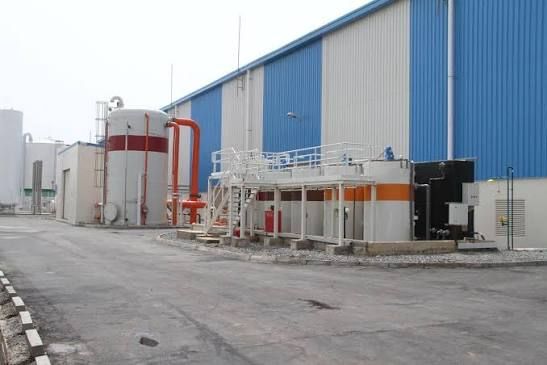
Ghana’s Teshie Nungua desalination plant, once slated to supply 60,000 cubic metres of potable water each day, has been abandoned, turning a $125 million investment into a $235 million liability. The plant’s shutdown has left parts of Accra water‑stressed and sparked arbitration claims that could strain the nation’s finances.
Ghana Water reported that it was purchasing desalinated water at about GH¢6.75 per cubic metre while selling it to consumers for roughly GH¢1.47. The model was unsustainable, as the cost of buying water far exceeded the revenue it could generate. In contrast, commercial tanker water in Accra typically costs between GH¢90 and GH¢110 per cubic metre, making the market for reliable water clear but the business model flawed.
Experts argue that Ghana Water should not have been the commercial buyer. A more viable structure would separate production, transmission, and retail: a desalination company would produce the water, a private operator would sell it, and Ghana Water would provide transmission infrastructure for a regulated toll. Companies such as Kasapreko or Accra Brewery, with experience in distribution and billing, could manage the retail side through subsidiaries or consortia.
Such a model would allow desalinated water to be sold to high‑consumption customers—hotels, factories, hospitals, and schools—at prices between GH¢20 and GH¢40 per cubic metre, while Ghana Water could collect transmission charges. The current arrangement, which forced the plant to shut, has left consumers paying far more for tanker water and the government facing significant arbitration costs.
Government officials insist that protecting affordable basic water does not require every litre to carry the same tariff. Conventional water should remain under a social tariff, while desalinated water could be marketed to those willing to pay for guaranteed supply. The failure, according to analysts, lies not in the Atlantic Ocean but in the business model that was adopted.
As Ghana navigates the $235 million arbitration awards, stakeholders must answer who was responsible for the mismanagement and how to prevent similar costly ventures in the future.