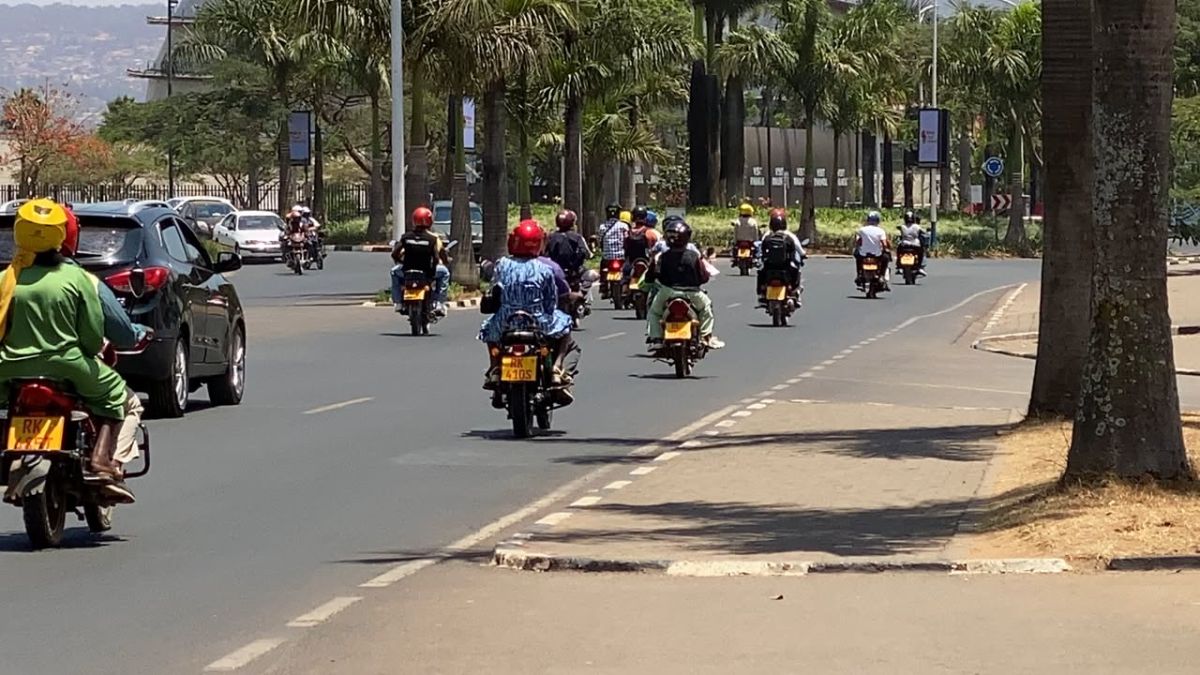
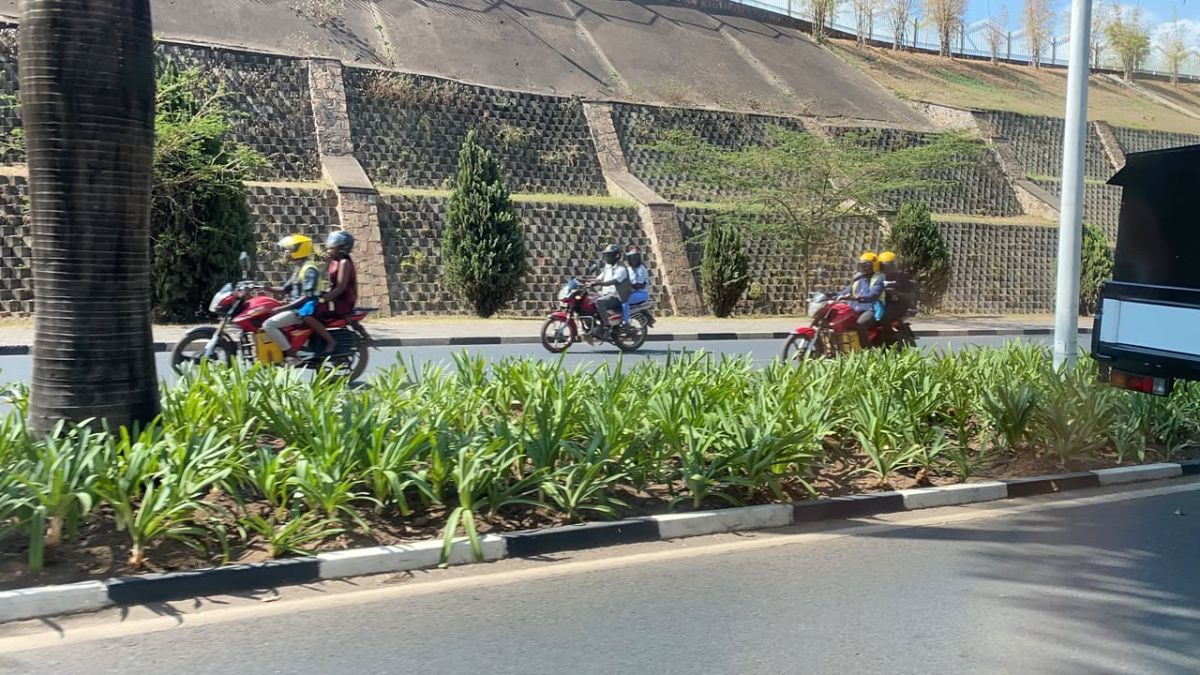
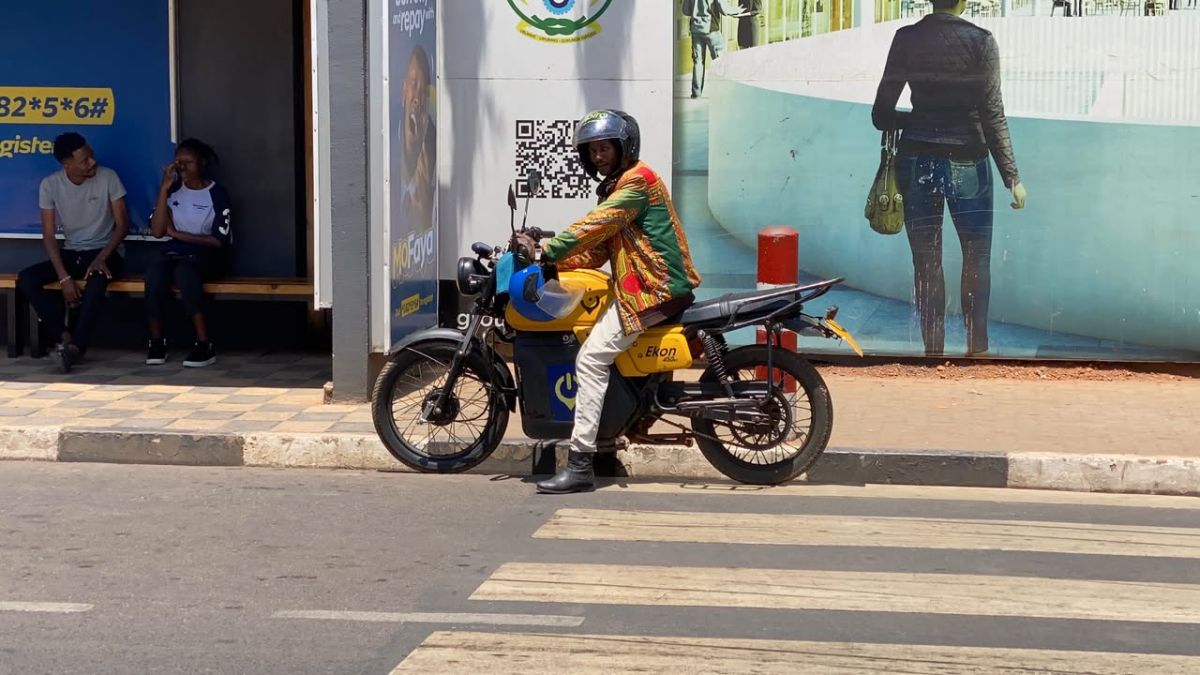
In Kigali, commercial motorcycle transport is a legal, well‑regulated industry that has earned public trust and reduced emissions through electric bikes. Operators, such as Munezero Theoneste, insist that helmets are mandatory for both driver and passenger, and fines of 3,000 Rwandan francs are imposed monthly for non‑payment, with penalties escalating each month.
Passengers in Rwanda are also required to observe safety rules, and failure to do so can lead to up to 15 days of custody, according to rider Byukusenge Samson. The system’s strict enforcement has made it a popular choice for commuters, with journalist Elias Sachizima noting that riders feel safe when using the service.
In contrast, Ghana’s Okada riders operate outside the road traffic regulatory framework, with many refusing helmets and lacking professional standards. Okada rider Christopher Amuzu says helmets are often rejected by passengers who claim they interfere with their hair, while Kwaku Antwi criticises the lack of professionalism and dress codes among riders.
The Okada Riders Association of Ghana (ORAG) argues that the absence of a formal legal framework hampers enforcement of safety measures. National President Michael Kofi Owusu explains that without a distinct commercial licence or plate, riders cannot be held accountable for safety compliance.
ORAG has studied Rwanda’s system and calls on the Ghanaian government to expedite legalisation of commercial motorcycle transport. Owusu states, “The Rwandan system is a perfect model that can be adopted in Ghana. It will ensure the safety of riders and passengers and also restore sanity in the system.” The government has reportedly advanced the legalisation process, but ORAG urges faster action.
As Ghana considers reforms, the Rwandan example offers a proven framework for safety, regulation, and environmental benefits that could transform the Okada industry into a reliable public transport option.