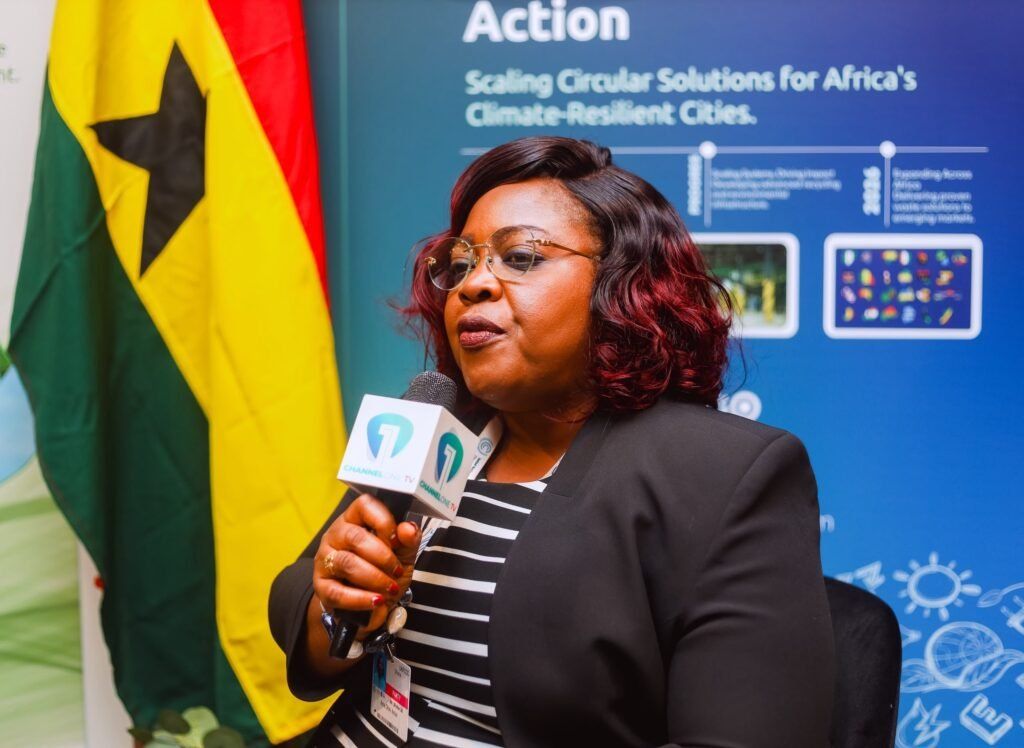
Executive Secretary of the Environmental Service Providers Association, Ama Ofori Antwi, urged the Ghanaian government to establish strategically located waste disposal and transfer facilities for Aboboyaa operators during a briefing at the Jospong Group of Companies Pavilion at COP31 in Antalya, Türkiye.
Ofori Antwi highlighted that the lack of accessible, designated sites forces operators to travel long distances to dispose of collected refuse, driving up costs, consuming productive hours and limiting the number of households they can serve each day. She said that strategically located transfer stations would allow operators to discharge waste before it is transported in larger vehicles to approved recycling, treatment and final disposal facilities.
The executive secretary stressed that improving access to waste disposal infrastructure would help curb indiscriminate dumping and the accumulation of refuse in residential communities. She called for stronger collaboration among metropolitan, municipal and district assemblies, private waste management companies and small‑scale waste collectors to develop a more coordinated and inclusive sanitation system.
Ofori Antwi also warned that open dumping sites in urban communities pose significant environmental, public health and climate‑related risks, noting that poorly managed waste disposal practices can contribute to methane emissions, offensive odours, disease vectors and contaminated runoff. She urged the government to prioritize sustainable waste management as an essential component of Ghana’s climate action and urban development agenda.
She maintained that improving waste disposal systems and eliminating environmentally harmful practices would contribute to cleaner cities, healthier communities and greater climate resilience. The call comes as COP31 discussions place renewed attention on practical measures to address climate change, strengthen urban resilience and promote sustainable development.
Moving forward, the ESPA Executive Secretary hopes that investment in modern waste management infrastructure will improve environmental sanitation while supporting the development of a circular economy and creating employment opportunities.