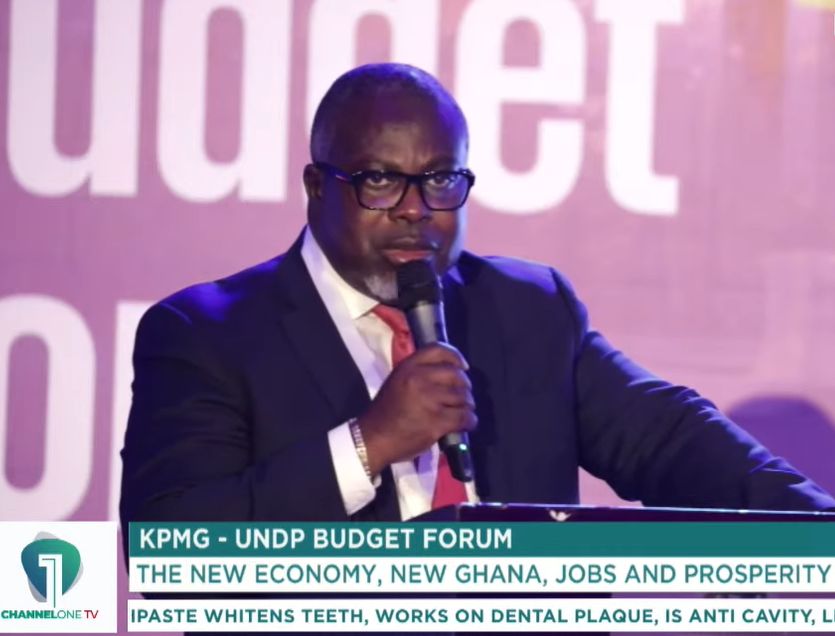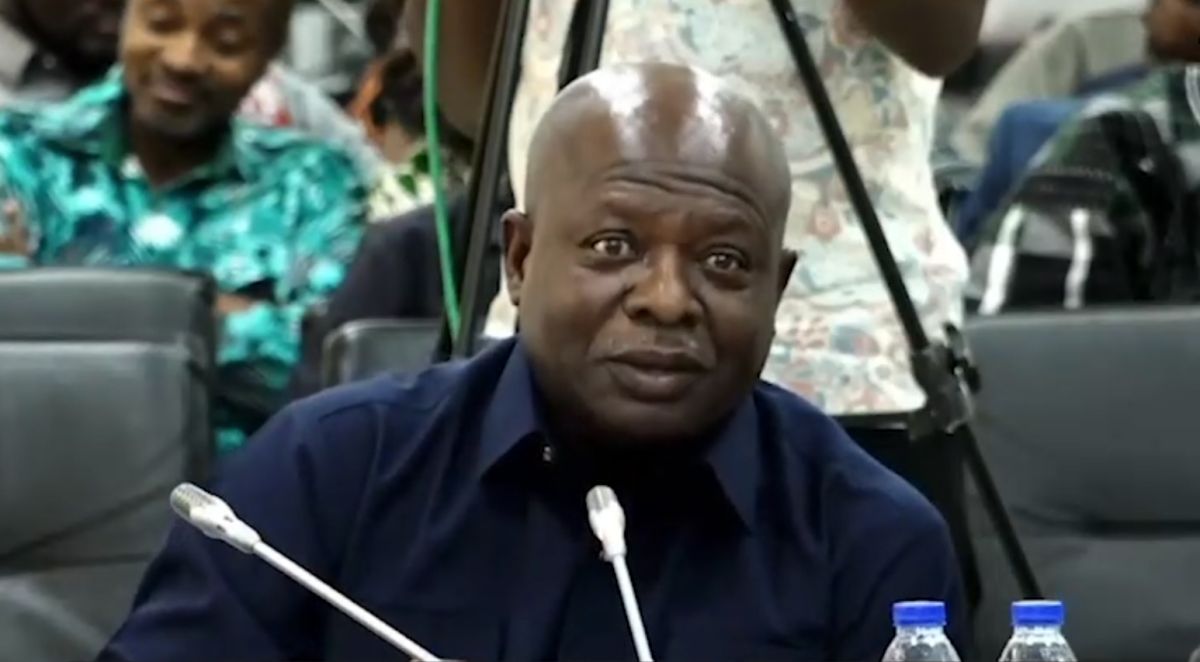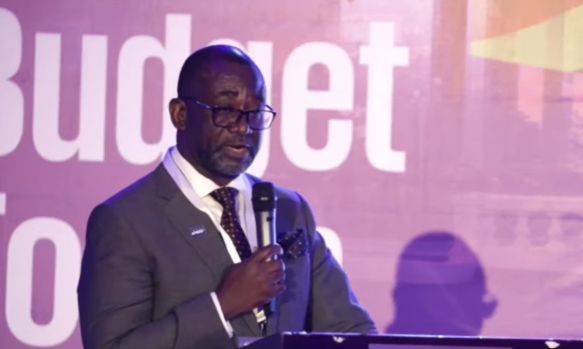
Andrew Akoto, Country Managing Partner of KPMG Ghana, cautioned that the success of the proposed $10 billion New Economy initiative under the 2027 Budget will hinge not only on the funds committed but on how effectively those investments create opportunities for businesses and citizens.
Speaking at the KPMG‑UNDP Budget Forum on Thursday, November 19, Akoto stressed that fiscal discipline must remain a priority as the government pursues its ambitious transformation agenda, warning that expenditure pressures associated with the approaching political cycle could undermine the economic stability Ghana has worked to achieve.
He noted that while the four‑year initiative offers significant growth prospects, its implementation must be matched with prudent spending and a sustained commitment to macroeconomic stability.
“Delivering this agenda will require discipline, and let me emphasize that discipline is equal to its ambition. Ghana has recognised that economic stability must not be weakened by expenditure pressures, particularly as a political cycle advances in view,” he said.
The New Economy plan targets key sectors such as affordable financing, commercial agriculture, energy infrastructure, mineral value addition, tourism, textiles, pharmaceuticals and technology. It also aims for real GDP growth of at least 5.2%, year‑end inflation within an 8% target band with a two‑percentage‑point margin, a primary surplus of at least 0.5% of GDP and foreign reserves sufficient to cover no less than six months of imports.
Akoto’s remarks come as Ghana prepares to launch the initiative, highlighting the need for disciplined spending to ensure the long‑term success of the country’s economic transformation.