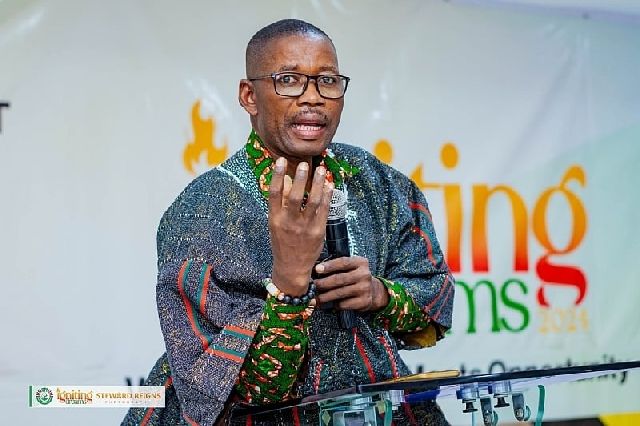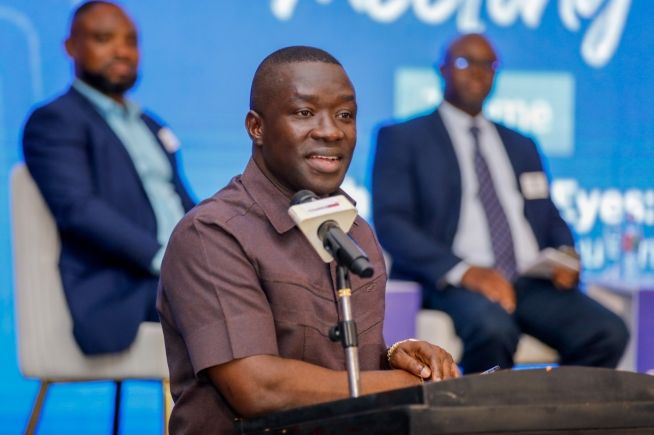
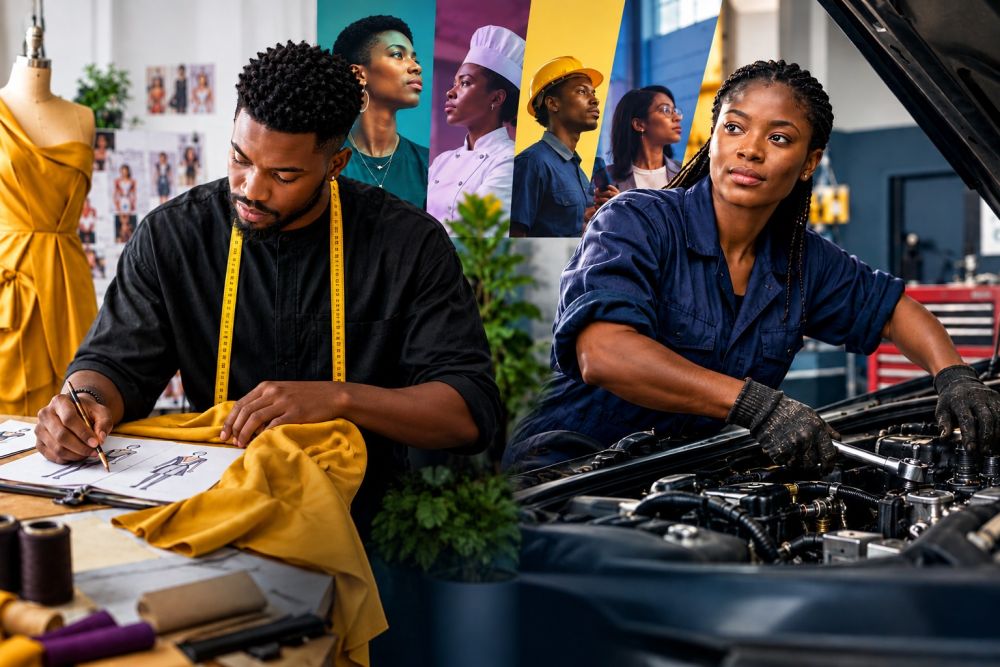
Melody Fafa Kportufe, a Ghanaian journalist, has called for the abandonment of the hidden “gender rulebook” that dictates how boys and girls should behave, dress and pursue careers. The call comes after years of legal reforms and activism that have yet to erase deeply rooted stereotypes in Ghanaian society.
Fafa Kportufe explains that while formal rules such as handbooks and constitutions are openly discussed, an invisible set of expectations about gender continues to shape everyday life. She notes that parents, teachers and the media often unknowingly reinforce these norms, leading to lower self‑esteem for girls and emotional suppression for boys.
She cites a 2020 report by the Fawcett Society on Gender Stereotypes in Early Childhood, which highlighted that parents and educators still limit children’s potential because of harmful stereotypes. The journalist argues that such biases affect opportunities, with “soft and nurturing” qualities being wrongly treated as a limitation for women in traditionally male roles.
To illustrate the impact, Fafa Kportufe shares the story of Delphine Asante, a car spray painter from New Edubiase, who faced ridicule and doubt from a society that expected her to stay in the kitchen. Asante’s father supported her, but she still encountered snide comments about her marital status and suitability for her chosen profession.
She also highlights the double bind for men, who are discouraged from expressing emotions and are expected to be the family’s pillar. The journalist points out that men who pursue roles such as nursing, teaching or stay‑at‑home fatherhood are often judged as less masculine.
Fafa Kportufe urges Ghana to move beyond prescribing gender roles and instead allow individuals to discover their true selves. She believes that breaking the box benefits families and the economy alike, enabling girls to own land and pursue science, and boys to be nurturing and expressive.
As the story ends, Kportufe calls on media professionals to examine the narratives they reinforce and to use their platform to challenge and dismantle gender stereotypes across Ghana.