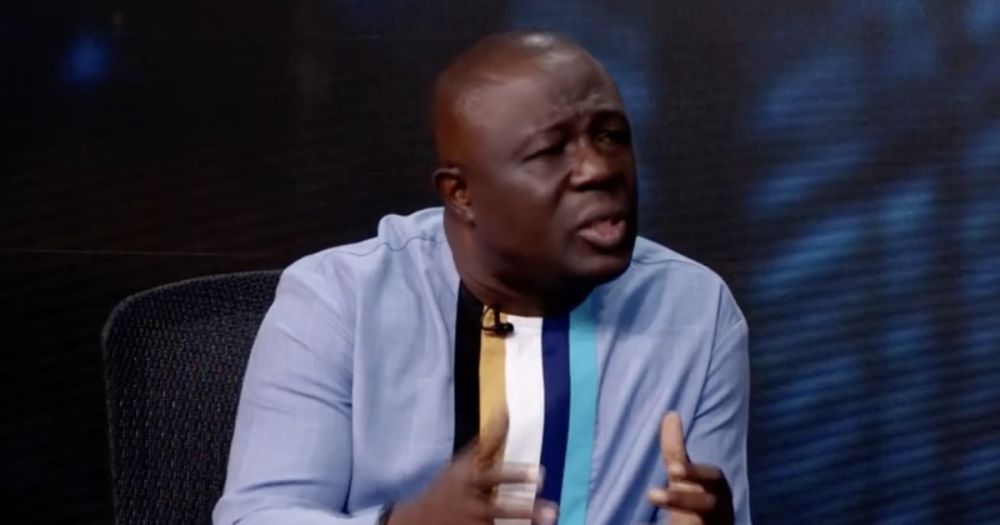
The Public Utilities Workers Union (PUWU) has taken a stand against the World Bank’s current approach to Ghana’s energy‑sector reforms, arguing that the focus should be on structural problems such as power generation and the pricing of Independent Power Producers (IPPs). Speaking on Joy FM’s PM Express on Tuesday, Deputy General Secretary Enoch Paul Hayes highlighted that these issues demand greater attention.
Hayes questioned why the World Bank has not made generation and IPP pricing a central part of its reform agenda. "For example, the generation: we have IPPs and their pricing. Why is that not a concern?" he asked. He added that the bank’s statements about existing problems do not align with the realities on the ground.
The union’s criticism comes amid Ghana’s ongoing financial pressures in the energy sector, including debts owed to power producers and the cost of maintaining a reliable electricity supply. Hayes warned against overreliance on international institutions, stating that Ghana has the capacity to address its own challenges. He cited the Tema Oil Refinery (TOR) as an example of what local interventions can achieve.
Hayes also challenged the World Bank’s motives, suggesting that the institution already knows where the sector’s major challenges lie. He urged authorities to heed the proposals already presented by organized labour, including the Trades Union Congress (TUC), rather than pursuing measures that fail to address core problems.
In a direct rebuke of the World Bank’s assessment of the Electricity Company of Ghana’s (ECG) revenue performance, Hayes asked, "The World Bank were the same people who said that currently, the ECG, our revenue is coming up, we are doing well. So what has changed?" He maintained that reforms should target the drivers of the crisis, particularly generation costs and other structural challenges.
Going forward, PUWU is calling on the government and the World Bank to realign their priorities and focus on the key issues that underpin Ghana’s energy instability. The union’s message is clear: Ghana can and should solve its own energy problems with locally driven solutions.