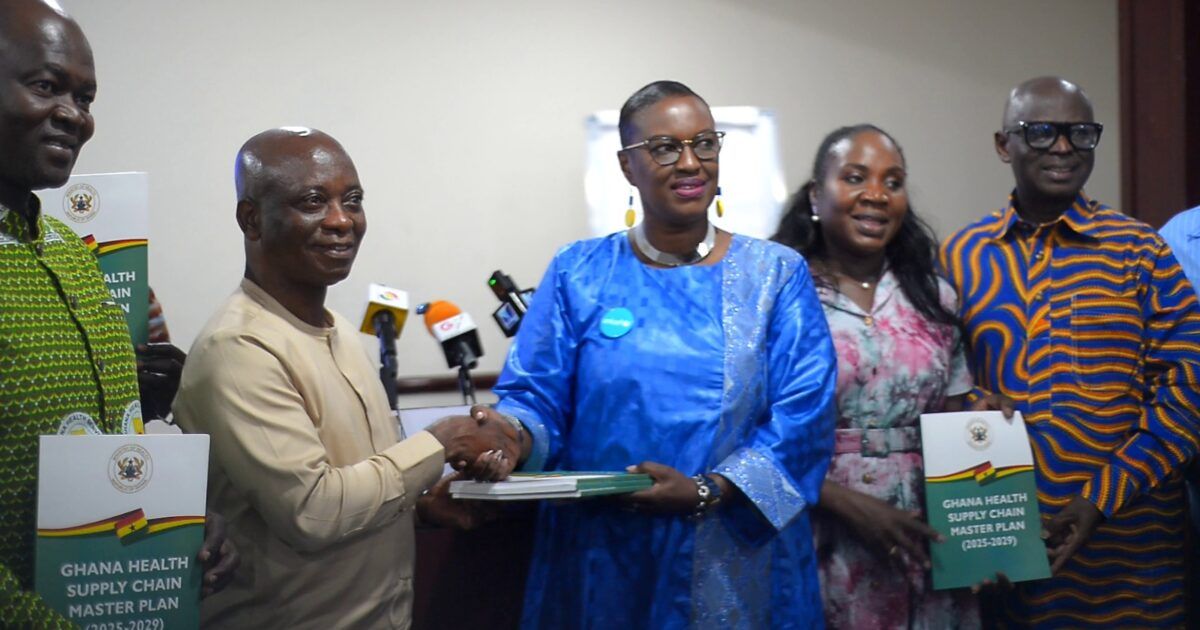
At a launch ceremony in Kumasi, the Ministry of Health announced that Ghana will need more than 759 million cedis to implement the 2025‑29 Health Sector Supply Chain Master Plan, which aims to ensure a steady supply of medicines and essential medical supplies across the country’s health facilities.
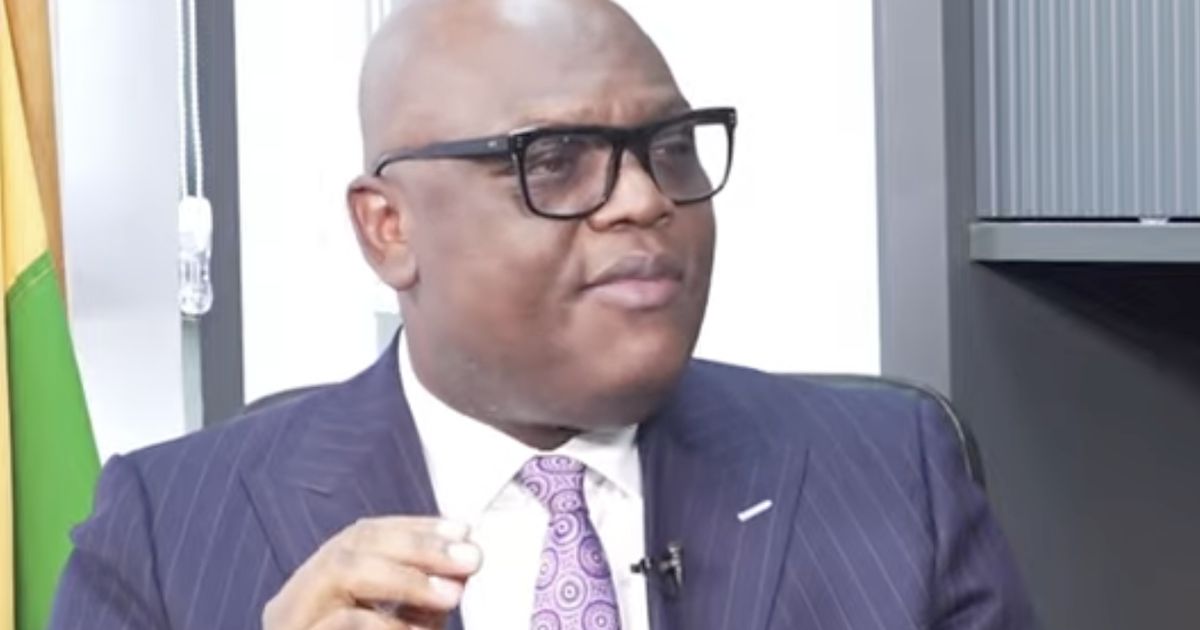
With several international donors pulling back, the government is turning to local resources. Dr. Edward Bright Agyekum, Director for Procurement and Supply Chain, said the plan will be financed entirely with domestic funds and that the government is “mobilizing scarce resources” to keep the 2030 universal health coverage target on track.
The new plan, a revision of the 2021‑25 version that only achieved 35 % of its targets, contains 47 strategic interventions linked to annual performance goals. It seeks to build an integrated central and regional medical stores system, improve financial management, and recover outstanding debts under the National Health Insurance Scheme (NHIS).
Daniel Oswald Owusu Afranie, Technical Director with Global Health Supply Chain, warned that the government must “take over” implementation and devise ways to recoup NHIS arrears, which currently hinder the procurement and distribution of health commodities.
UNICEF’s Supply and Procurement Manager, Honorine Niyomana, highlighted the plan’s focus on women and children, stressing that stock‑outs of essential medicines could force mothers and caregivers to travel far or pay out of pocket.
As the ministry pushes for local revenue generation, the next steps will involve mapping the flow of money and tracking expenditures at every level to ensure timely and affordable access to high‑quality health commodities for all Ghanaians.