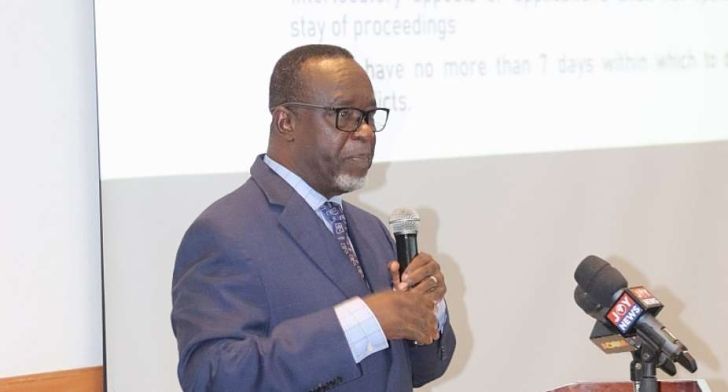
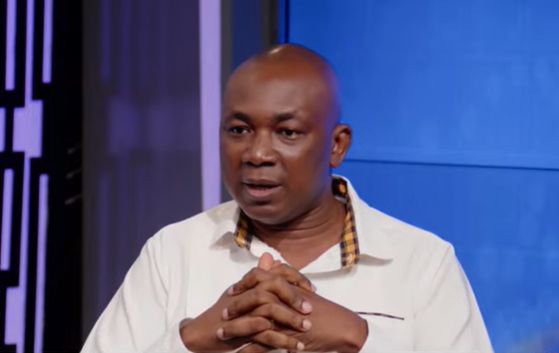
Ghanaian economist and University of Ghana Business School professor Gofred Bokpin cautioned that repeated labour strikes in the country’s education sector are eroding teaching time, disrupting academic calendars and compromising graduate quality.
Speaking on JoyNews’ Newsfile on Saturday, Bokpin highlighted that every two to three years over the past 15 to 20 years, Ghana has seen significant disruptions in health and education, a trend he deems a major concern for a nation striving for sustained socio‑economic development.
He warned that lost instructional time cannot be recovered even after disputes are settled. “Industrial harmony in education is essential to developing human capital, improving labour quality and supporting national development,” he said.
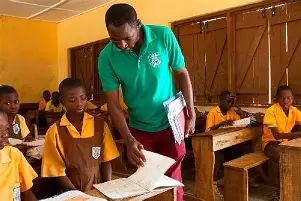
Bokpin pointed out that the situation is especially alarming for senior high schools operating under the Free Senior High School policy, where the double‑track system and infrastructure constraints already curtail students’ time in school. He added that further disruptions could compromise education quality, noting that students are not receiving the level of tuition they need while the state continues to fund their upkeep.
He also questioned the effectiveness of online learning as a substitute for classroom teaching when students on double‑track arrangements return home. Universities are facing uncertainty over their academic calendars; for example, Kwame Nkrumah University of Science and Technology (KNUST) has postponed its next academic year’s reopening.
While acknowledging that teachers, lecturers and administrators have legitimate demands, Bokpin urged the government to prioritise industrial stability in the education sector. He argued that strikes often end with concessions, but the resulting loss of teaching time and productivity cannot be reversed.
He cautioned against pursuing fiscal discipline at the expense of social priorities, insisting that government spending decisions should reflect the country’s development aspirations and the needs of its people. “The government must manage labour relations more effectively to protect the academic calendar and ensure students receive quality education,” he urged.
As Ghana contends with recurrent strikes, the academic community watches closely to see whether the government can restore stability and safeguard the nation’s future workforce.