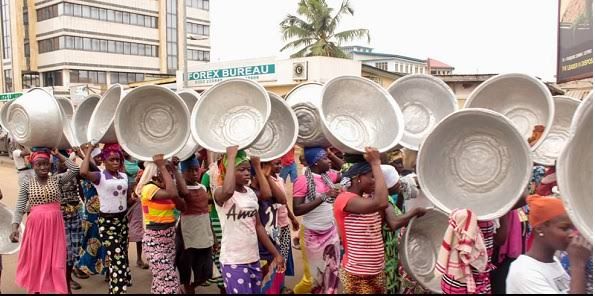
In Accra, the Ministry of Gender, Children and Social Protection announced the development of a National Kayayie Management Framework aimed at addressing the persistent challenge of head porterage that affects tens of thousands of girls and young women across Ghana.
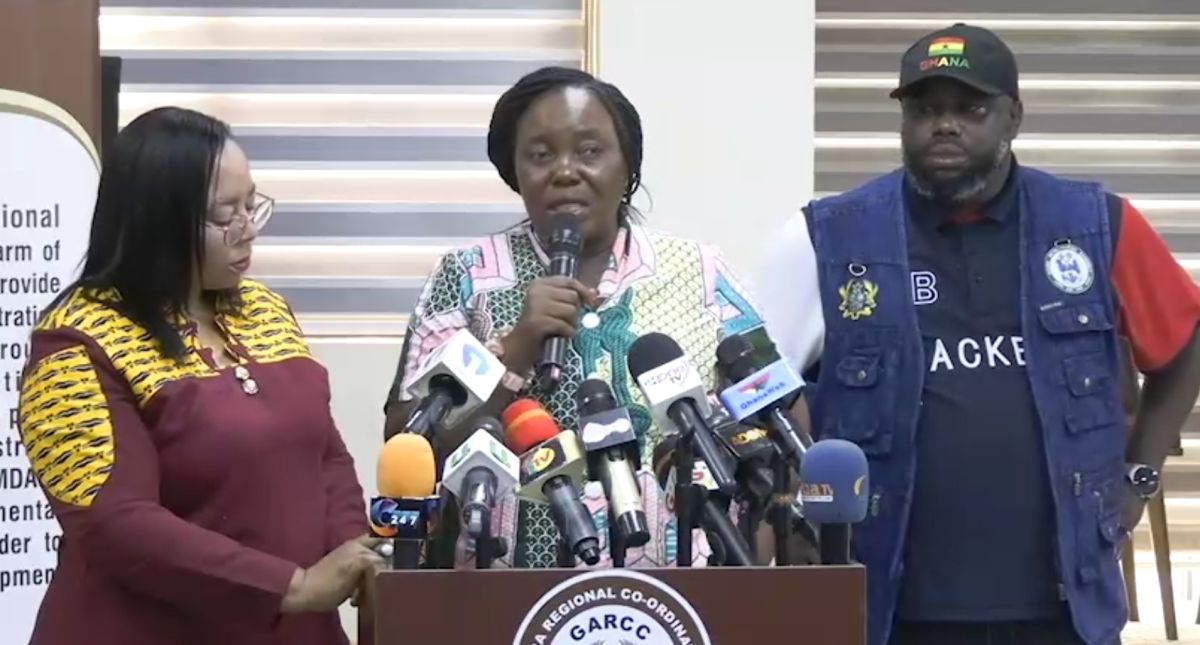
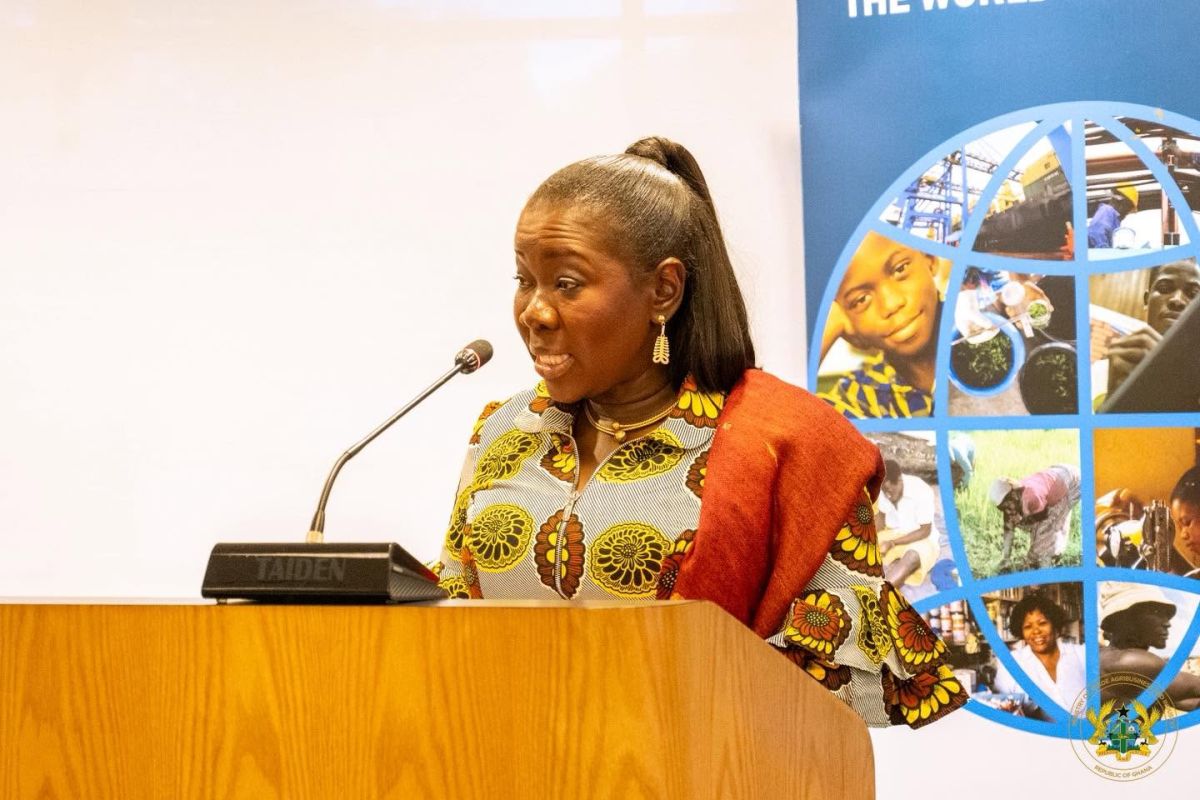
Dr Agnes Naa Momo Lartey, Minister for Gender, Children and Social Protection, said the framework would provide a structured national response to the unsafe migration of Kayayie and improve coordination of interventions targeting head porters.
She noted that interventions by the government, civil society organisations and development partners—including temporary shelters, skills training, rehabilitation programmes and public education—had often been fragmented and insufficiently coordinated.
The first National Stakeholders Consultative Meeting on the development of the framework was organised by the Ministry in collaboration with the Office of the Vice‑President and supported by the United Nations Population Fund (UNFPA). Recent estimates indicate that between 60,000 and 100,000 girls and young women, some as young as 10, are engaged in head porterage in urban centres, with more than 80 per cent originating from northern Ghana.
Dr Lartey described the migration of young girls from northern Ghana to cities such as Accra, Kumasi, Takoradi and Tamale as a matter of serious national concern. "While the movement of people in search of economic opportunities is not unusual, the circumstances surrounding the migration of many Kayayie raise significant concerns," she said.
She stressed the need for a long‑term national strategy, saying: "Therefore there is an urgent need to move beyond short‑term and reactive interventions towards a comprehensive national response."
The Ministry, in collaboration with Vice‑President Professor Jane Naana Opoku‑Agyemang and with support from UNFPA, is facilitating the development of the framework. "The Framework is expected to provide strategic direction for preventing unsafe migration, protecting vulnerable girls and women, facilitating rehabilitation and reintegration as well as promoting sustainable livelihood opportunities. It will also establish clear institutional responsibilities, coordination arrangements and accountability mechanisms to guide effective implementation," the minister added.
Dr Wilfred Ochan, UNFPA Country Representative, said the Kayayie phenomenon reflected deeper structural inequalities rather than merely an issue of urban migration or informal employment. He added that although migration served as a survival strategy for many girls facing limited economic opportunities, it often exposed them to exploitation, sexual and gender‑based violence, poor living and working conditions, and health risks.
Dr Ochan said rural poverty, educational exclusion and harmful gender norms remained key drivers of the phenomenon, while climate variability and agricultural shocks were placing additional strain on vulnerable households.
Dr Miriam Rahinatu Iddrisu, Social Policy Advisor at the Office of the Vice‑President, said the framework must be government‑owned, evidence‑based and informed by the lived experiences of Kayayei. She called for effective coordination, sustained partnerships, and accountable leadership to ensure its successful implementation.
The government will monitor the implementation of the framework and report progress to stakeholders in upcoming meetings. The next steps include finalising the framework’s policy documents and launching a nationwide awareness campaign to educate communities about the risks of unsafe migration and the available support services.