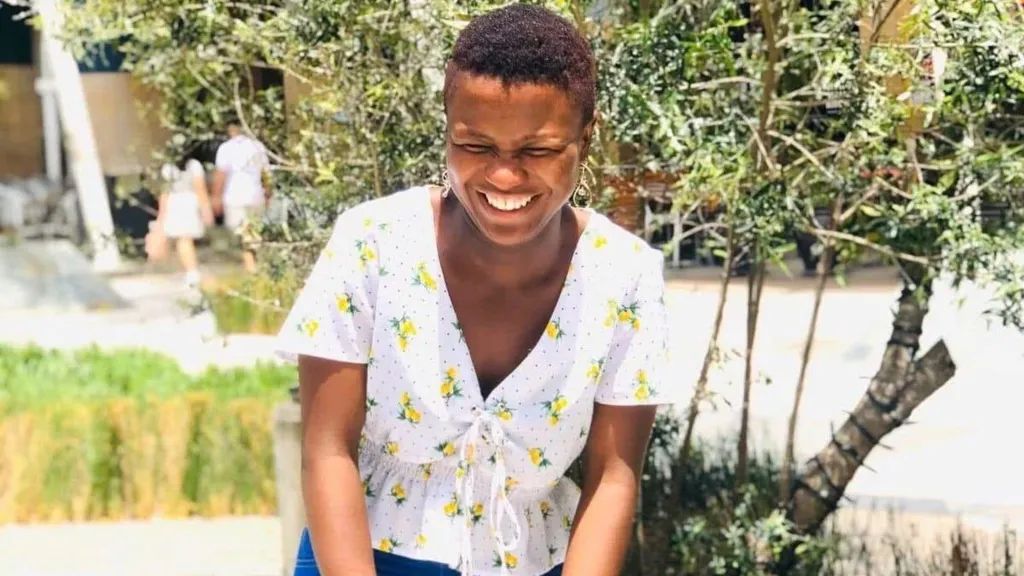
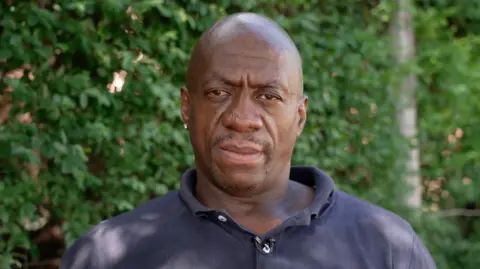
Tuku Nkosiyaphantsi, 50, learned his daughter Okuhle had been killed when neighbours called him after seeing a police‑reported missing‑person post on Facebook that included a photo of her allegedly injured. He immediately called a police officer he knew, who confirmed the woman in the picture had died and that her body had been dumped near a river in Kokstad, KwaZulu‑Natal.
Because the morgue was closed over the weekend, Tuku could not identify Okuhle’s body until Monday morning. He described the scene as “very painful, so much that I cannot accept it,” noting her body had been mutilated and her face badly beaten. Okuhle, a civil‑engineering student, left behind two children, aged nine and three.
South Africa recorded 5,590 murders between July and September, including 581 women killed in that period. The police have not yet arrested anyone in Okuhle’s case, and Tuku says the local police failed to review CCTV footage from a nearby government building that may show who his daughter was with on the day she vanished. The footage is wiped every seven days, he says.
Acting Police Minister Firoz Cachalia has called for “greater efforts” to prevent violence against women and children, while Amnesty International has criticised the police service as under‑resourced and poorly trained to handle gender‑based violence. President Cyril Ramaphosa has pledged safety audits and increased police presence, but Tuku remains skeptical, saying the government “does not care for us.”
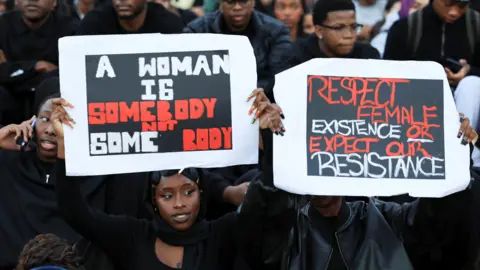
In Kokstad, community patrols and a curfew for women and children have been introduced since June to curb the rising number of violent deaths. Despite these measures, no arrests have been made in most of the cases, leaving families like Tuku’s in silence and frustration.
As the investigation stalls, Tuku continues to search for CCTV footage and interview people who knew his daughter, hoping to uncover new leads that could finally bring justice.