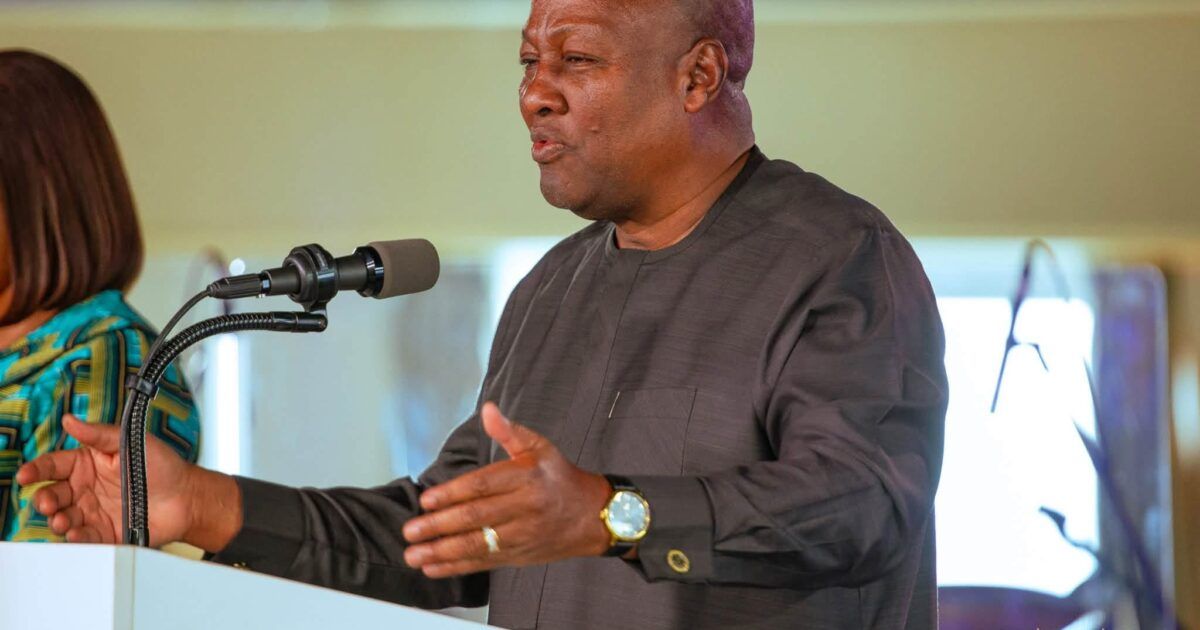
President John Dramani Mahama has expressed optimism that Bawku will bounce back from the effects of its protracted conflict, following relative calm in the area over the past several months.
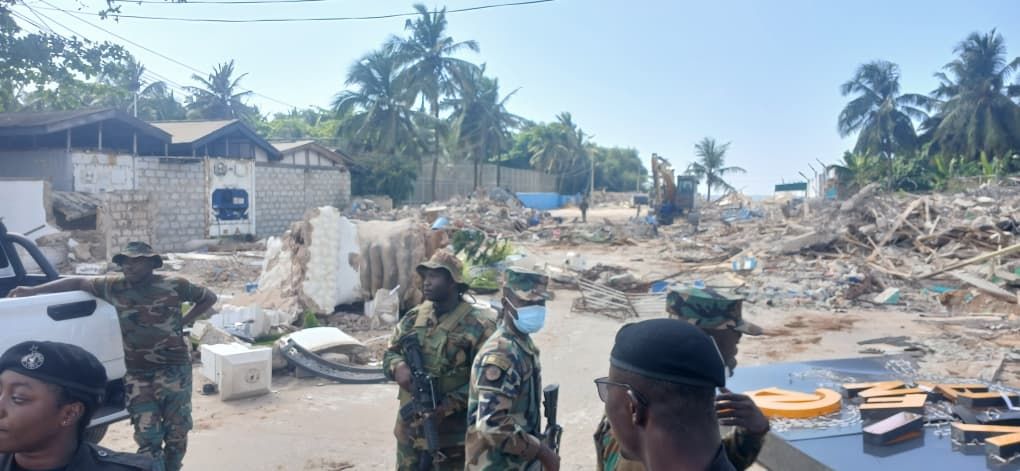
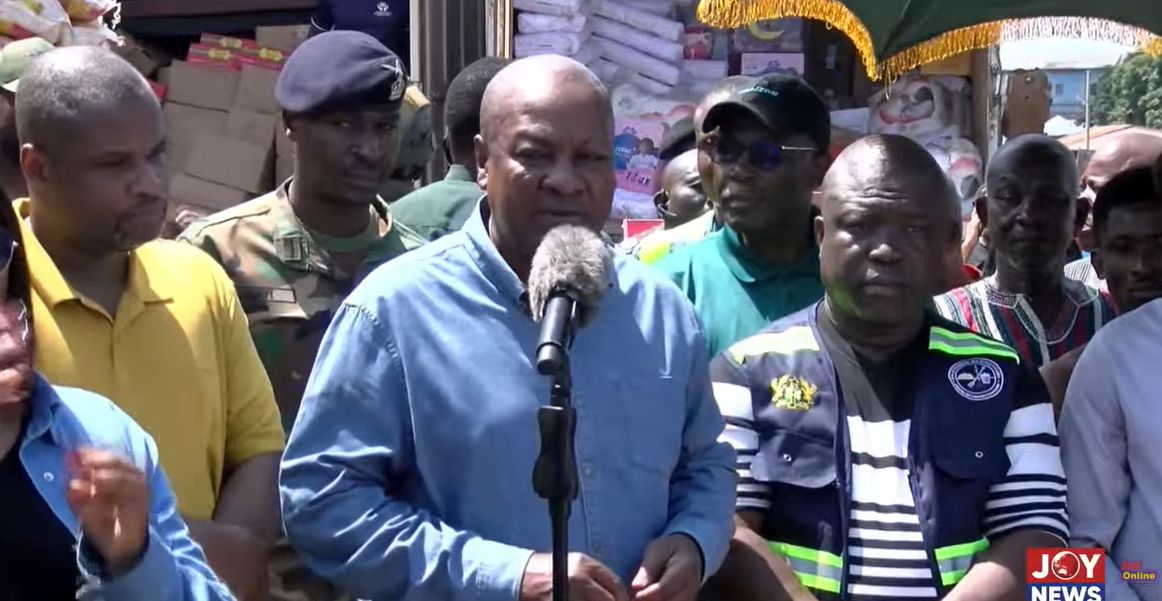
He said the return of calm gives the people of Bawku an opportunity to begin rebuilding their lives and reviving economic activities disrupted by the conflict. "As the guns have stopped sounding in Bawku, we have an opportunity to begin the process of rebuilding and revitalising the area. Bawku will bounce back," he said.
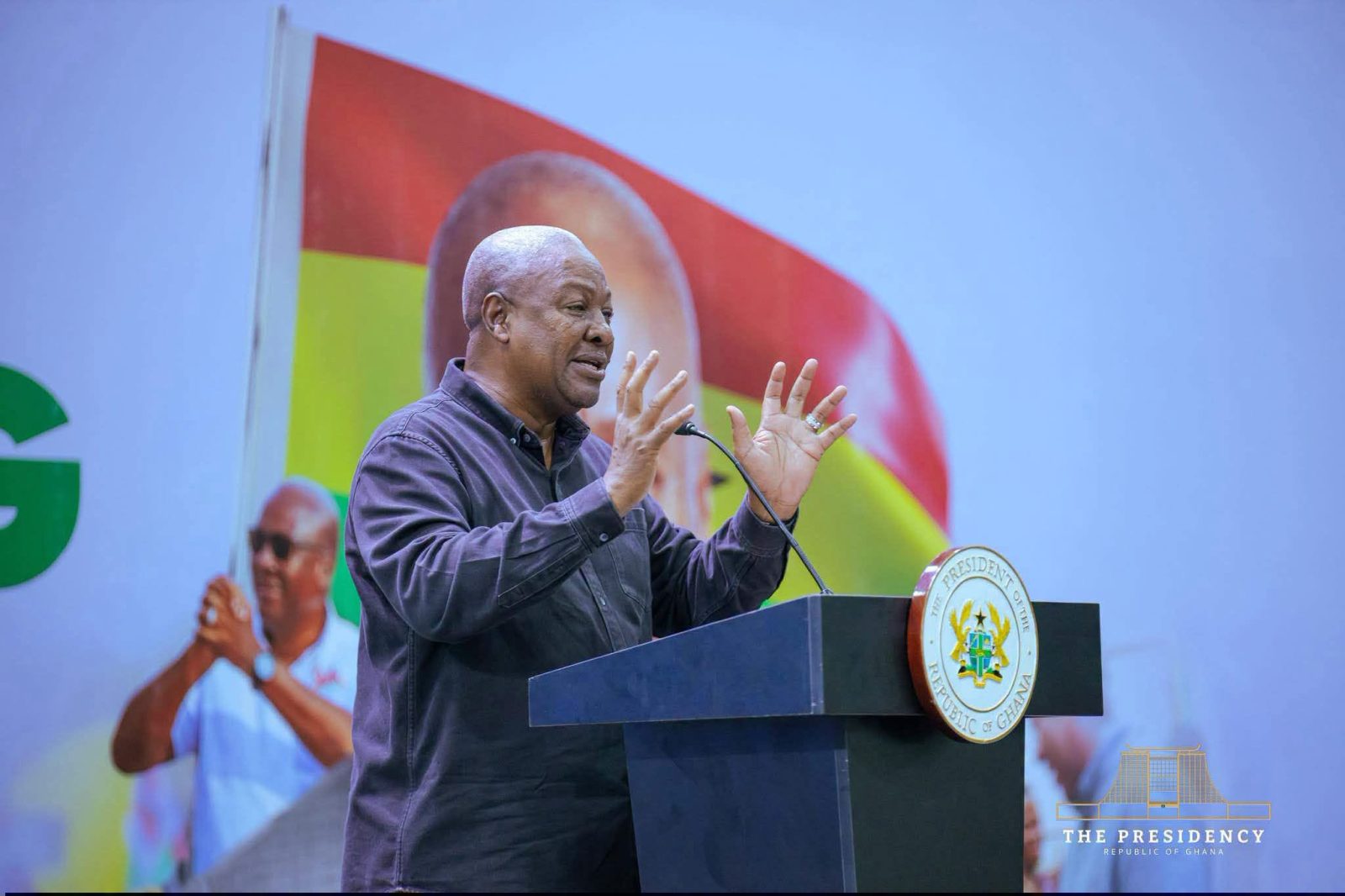
Mahama made the remarks at Bolgatanga last Friday while interacting with the people of the Upper East Region as part of his tour of the region.
He reiterated that a committee will be set up to disburse the GH¢1 billion Bawku Revitalisation Fund to support the area's recovery and development following the restoration of relative calm. He said the fund would address key development needs in Bawku, with most of the money expected to go toward health and road infrastructure, while creating a conducive environment for economic activities to thrive.
Mahama said that with peace returning, Bawku has the chance to regain its vibrancy and resume the activities for which it was known, and that the cessation of gunfire should give residents the confidence to return to their businesses, livelihoods and other productive activities.
He said the restoration of peace is critical to Bawku's development, since sustained calm will let residents focus on rebuilding their livelihoods and contributing to the local economy, and he encouraged residents to protect the peace and help keep the guns silent. He expressed confidence that with peace prevailing and the necessary revitalisation support in place, Bawku would recover from the disruptions caused by the conflict and move forward.
On wider development, Mahama pledged to increase investment in agriculture, mining, education and healthcare across the five northern regions as part of efforts to bridge the development gap between northern and southern Ghana. He said government would focus on the north's comparative advantages, particularly agriculture and mining, and invest in processing facilities, roads, irrigation, extension services and farmer service centres to create jobs and reduce poverty.
On mining, he said government is working through the Minerals Commission to identify potential areas for formalised mining, particularly gold, to create jobs while protecting the environment. He said formal mining companies would be required to post reclamation bonds to ensure mined areas are restored, even as government continues its fight against illegal mining. He said increased investment in the north's economy is necessary to stem migration to the south and reduce pressure on social services.
Mahama also described indiscipline in schools as a growing national concern, attributing part of the problem to children's exposure to social media, artificial intelligence and other digital platforms. He assured faith based organisations that government remains open to giving them a greater role in managing the schools they had established.
The Upper East Regional Minister, Donatus Akamugri Atanga, said Bawku remains the region's most significant security concern, although the area has stayed relatively peaceful, with reconciliation and social integration gradually taking place. He said the process is progressing at a measured pace and expressed confidence that, with time and continued support from Mahama, particularly through the Bawku Revitalisation Fund, the efforts would gain further momentum.
Atanga said the Regional Coordinating Council remains committed to supporting the peace process and working closely with security agencies, traditional authorities and other stakeholders to consolidate the gains made and secure lasting peace in Bawku. He said incidents of armed robbery and motorbike snatching, previously rampant in the area, have declined significantly, largely due to support from key stakeholders and the Inspector General of Police's Special Operations Team. He said the region would continue strengthening community engagement, early warning mechanisms and collaboration among traditional authorities, communities and security agencies to consolidate peace and enhance public safety.