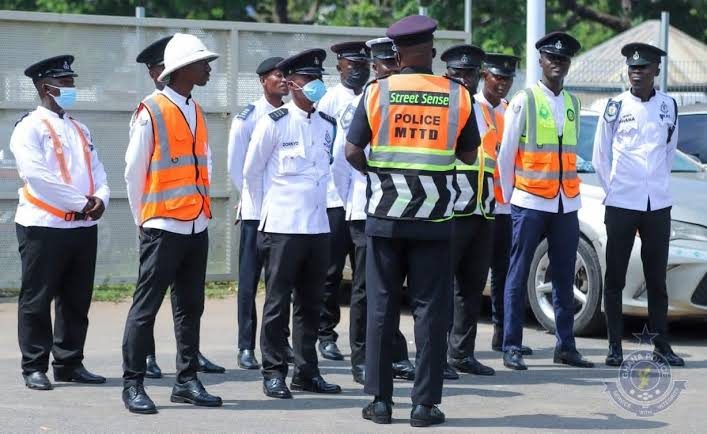
The Motor Traffic and Transport Department (MTTD) of the Ghana Police Service has emerged as the public entity with the highest prevalence of bribe solicitation, according to fresh survey data released by the Ghana Statistical Service (GSS).
The findings highlight growing systemic corruption pressures across public sector institutions, with commercial drivers, commuters, and everyday citizens bearing the heaviest financial burden of illegal cash demands.
MTTD Leads Public Sector Bribery Rates
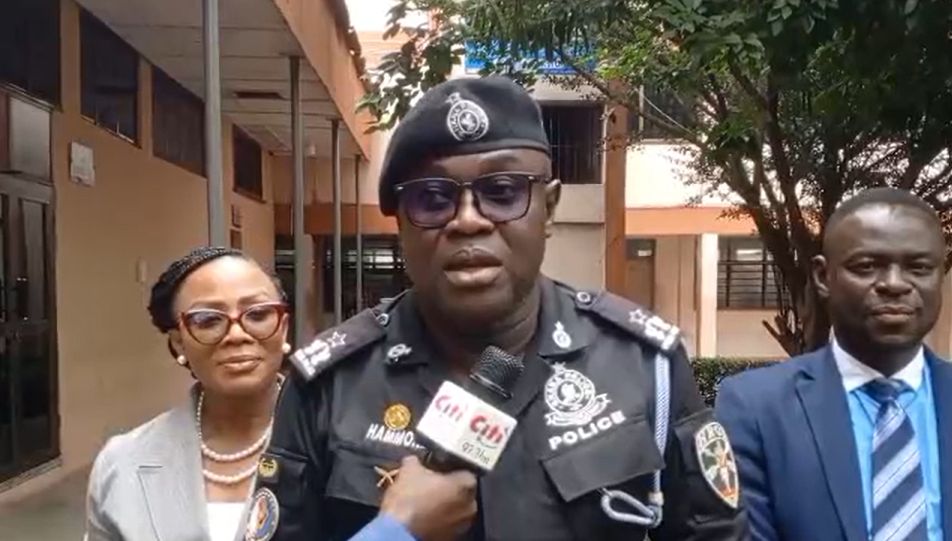
According to the GSS findings, interactions with traffic police officers carry the highest probability of a bribe request or payment compared to any other public authority in the country.
Key details from the report include:
High Frequency on the Road: Commercial transport operators and private motorists routinely face cash demands at checkpoints and during roadside traffic stops.
Direct Demands: A vast majority of bribe transactions involving MTTD officers were initiated directly by law enforcement personnel rather than offered voluntarily by motorists.
Targeted Demographics: Low-income earners, commercial drivers, and informal sector operators face disproportionate exposure to daily extortion.
Broader Sectoral Corruption Landscape
While the police traffic department topped the list, the GSS survey revealed widespread corruption pressures across several other key state agencies and municipal bodies.
High bribery rates were also documented among:
Customs & Revenue Officers: Ghana Revenue Authority (GRA) personnel handling border clearances and tax assessments.
Immigration and Border Control: Officials managing entry checkpoints and visa processing.
Lands Commission & Municipal Assemblies: Officers responsible for land registration, building permits, and local business licensing.
Judiciary and Health Services: Lower-level court officials and public health facility administrators.
Escalating Economic Toll on Households
The GSS report underscores that bribery acts as an informal, regressive tax that destabilizes household budgets. Tens of millions of Ghana Cedis are paid out annually in small-scale, cash-based bribes to public officials.
Anti-corruption analysts note that high corruption pressures in basic public services undermine trust in state governance, distort market competition, and discourage voluntary tax compliance.
Urgency for Structural Reforms
In response to the data, civil society organizations and governance advocates have renewed calls for urgent structural interventions to eliminate cash-based touchpoints between law enforcement and the public.
Recommended measures include:
Digital Traffic Enforcement: Expanding automated speed cameras and digital ticketing systems to remove human discretion from traffic fine collection.
Body-Worn Cameras: Mandating operational body cameras for all field police officers during duty shifts.
Internal Discipline: Establishing independent oversight boards to investigate extortion reports and enforce swift dismissal of corrupt officers.
The Ghana Statistical Service emphasized that addressing public sector bribery is critical to improving ease of doing business, restoring civic trust, and achieving national development goals.