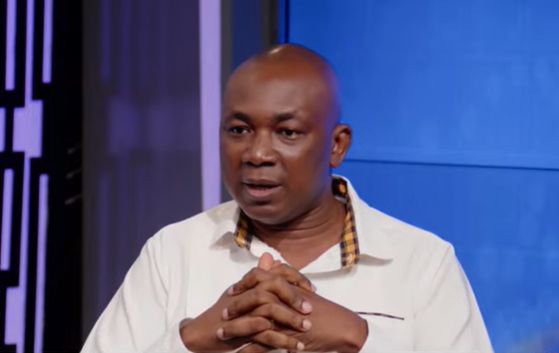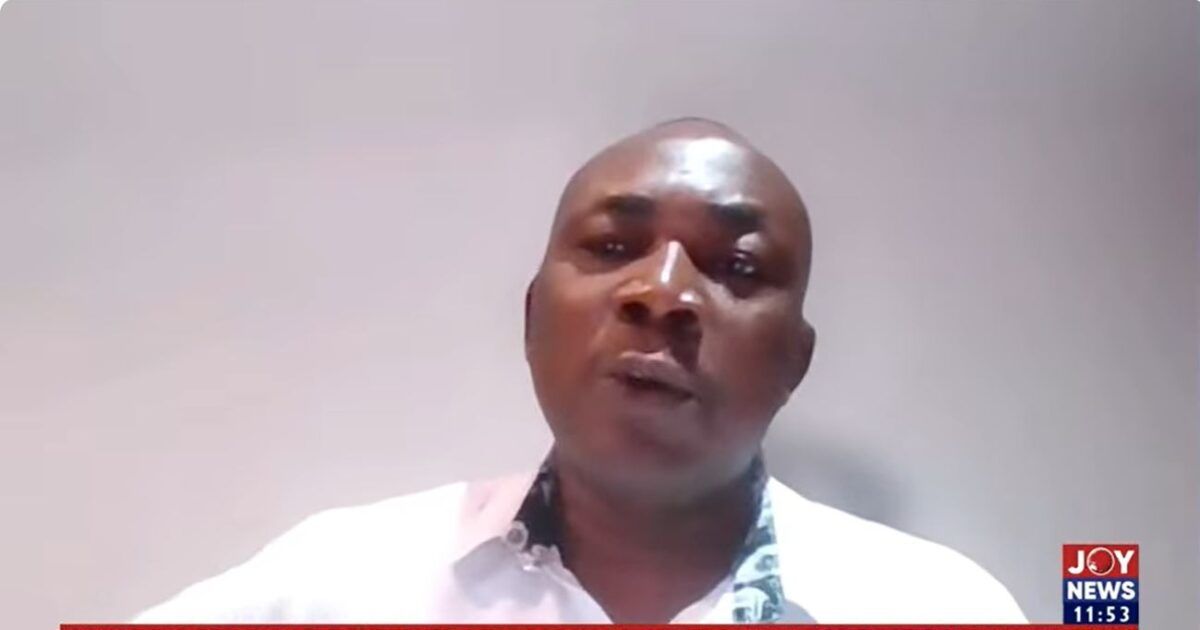

The Executive Director of the Chamber of Petroleum Consumers (COPEC), Duncan Amoah, has called on the government to pay teachers realistic salaries and provide adequate funding for teaching and learning materials, arguing that investment in education must translate into improved outcomes for students and the wider economy.
Amoah said addressing teachers’ concerns about their conditions of service requires sustained dialogue between the government and teacher unions to prevent recurring industrial action and ensure stability in the education sector.
Speaking on a current affairs programme on Saturday, October 10, Mr Amoah stressed that education spending must be matched by better remuneration for teachers and adequate resources to support effective teaching and learning.
“Let’s pay teachers realistic incomes or salaries. Let’s pay for educational material,” he said.
He questioned the value of substantial investment in education if graduates ultimately struggle to secure jobs that match their qualifications and training.
“So we spend so much on education and at the end of the day, the economy does not throw out the kind of jobs that the educated ones would now require,” he added.
His comments highlight concerns about the need to align public spending on education with improvements in teaching quality, learning outcomes and employment opportunities for graduates.
Mr Amoah said teachers had made their grievances known and urged the government to respond constructively to their demands.
“The teachers have made their case, strongly and forcefully and I think that the government has also listened,” he said.
He also welcomed reports that the strike had been called off, describing the development as a positive step towards resolving the dispute.
“I am hearing the strike has been called off. It is the right way to go,” he added.
However, he cautioned that ending the industrial action should create room for further engagement rather than bring discussions over teachers’ conditions of service to an end.
“I think that a lot more dialogue and a lot more jaw‑jaw should happen,” Mr Amoah said.
He emphasised that sustained negotiations would be crucial to resolving outstanding concerns and preventing similar disputes from disrupting academic activities in the future.
The COPEC Executive Director further stressed that the success of negotiations would depend on the willingness of both the government and teacher unions to engage in good faith.
He said the government’s response to teachers’ demands would influence the level of confidence the unions placed in the negotiation process.
“But then again, the goodwill at the table also would tell the unions whether the government is responsive or not,” he said.
His remarks underscore the importance of moving beyond negotiations to concrete measures that address teachers’ concerns and improve conditions within the education sector.