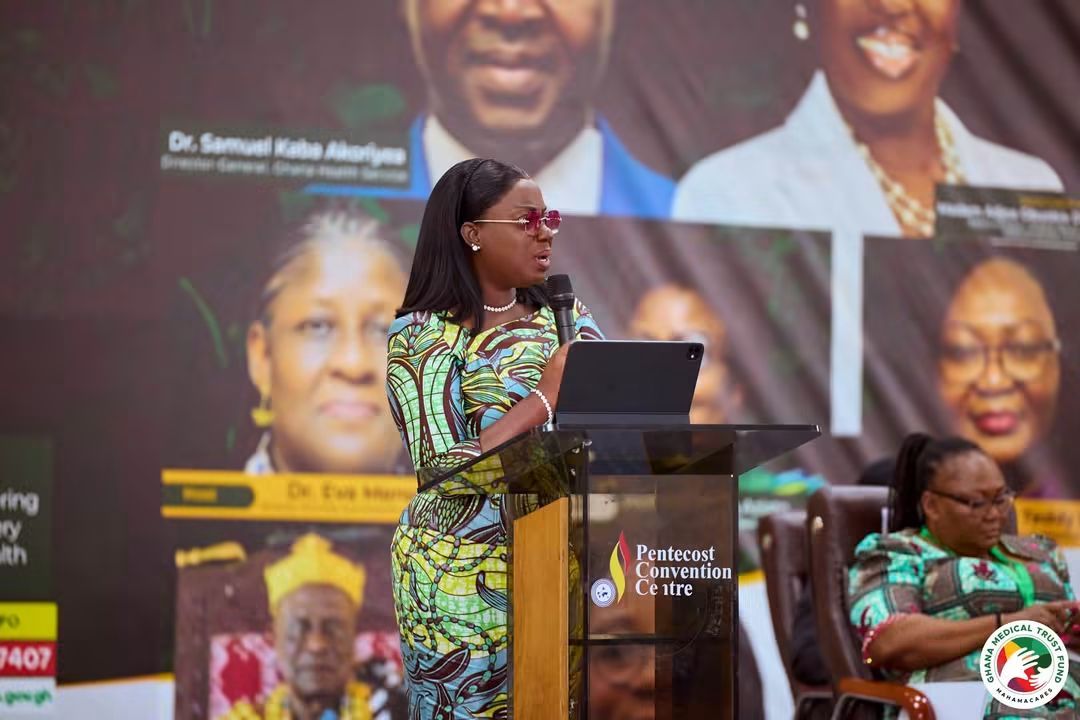
Adjoa Obuobia Darko‑Opoku, administrator of the Ghana Medical Trust Fund (GMTF), challenged health sector leaders in Accra to turn policy into tangible benefits for patients. Speaking as the Special Guest of Honour at a national conference of senior nursing and midwifery managers, she warned that strategies and budgets only matter if they change the bedside experience.
"Strategies are easy to announce. Policies can be beautifully written. Presentations can be impressive. Budgets can be approved. Committees can be constituted. But somewhere at the end of all of that is a patient, and that patient does not experience our policy documents. The patient experiences the system," Darko‑Opoku said.
She urged managers to recognise their influence over wards, hospitals and the careers of young professionals, noting that leadership extends beyond technical skill to how staff treat patients, colleagues and the wider team. "Sometimes the greatest lesson a young practitioner receives is not from a classroom. It is from watching a senior person work," she added.

Darko‑Opoku highlighted the Ghana Medical Trust Fund’s commitment to supporting Ghanaians with serious chronic illnesses, echoing President John Dramani Mahama’s vision that survival should not depend solely on a family’s ability to raise money. She stressed that financial aid alone is insufficient if services, equipment or trained staff are lacking.
The GMTF administrator called for a culture where young professionals ask questions, learn from mistakes and maintain high standards. She appealed for close collaboration between nursing leaders and the Fund to identify gaps that policy offices might miss.
She challenged leaders to question long‑standing practices that have become normal simply because they have existed for years. "A long delay should not become normal because it happens every day. Poor communication should not become normal because everyone is busy. Broken equipment should not become normal because it has been broken for six months," she said.
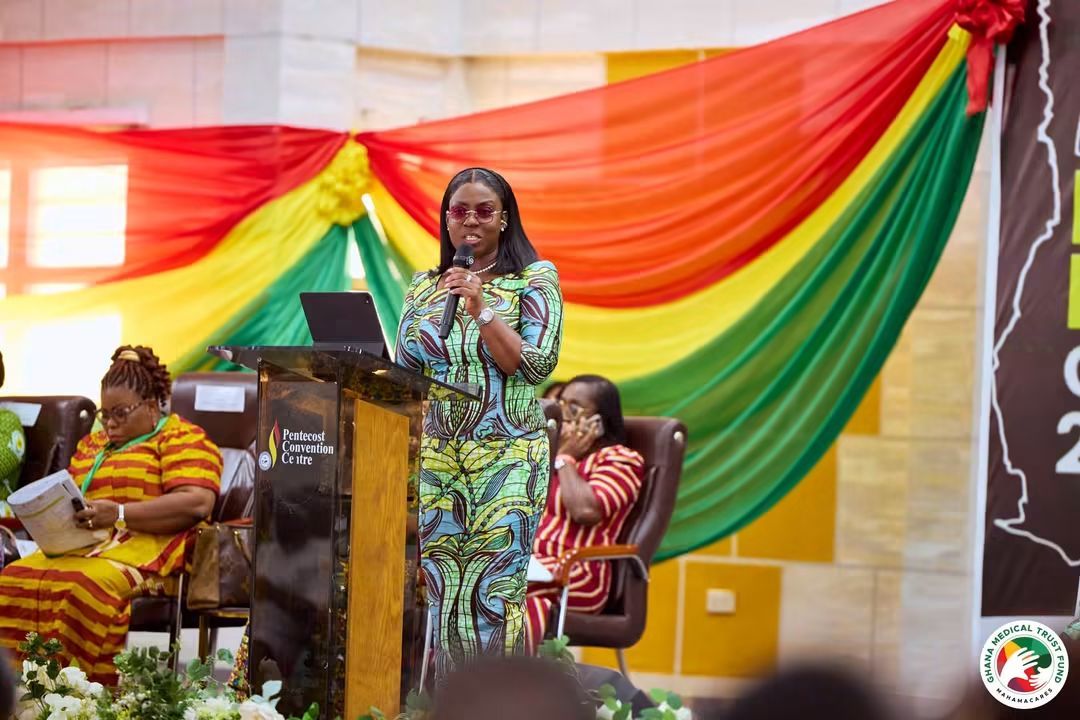
Darko‑Opoku argued that small, consistent leadership decisions can shape institutional culture and ultimately the health system. She asked senior managers to measure their legacy by the professionals they mentor: "Who are you raising? Who is becoming better because they worked under you? Who will be ready when you are no longer in that office?"
She also called for stronger nursing and midwifery representation in high‑level policy formulation, noting that frontline experience offers insights beyond data. Concluding, she urged leaders to make strategy personal, leadership human and professionalism visible, promising that the true measure of the conference would be the lives improved, not the reports produced.
Health leaders in Ghana will now face the task of turning these calls into concrete actions, with the potential to reshape patient care across the country.