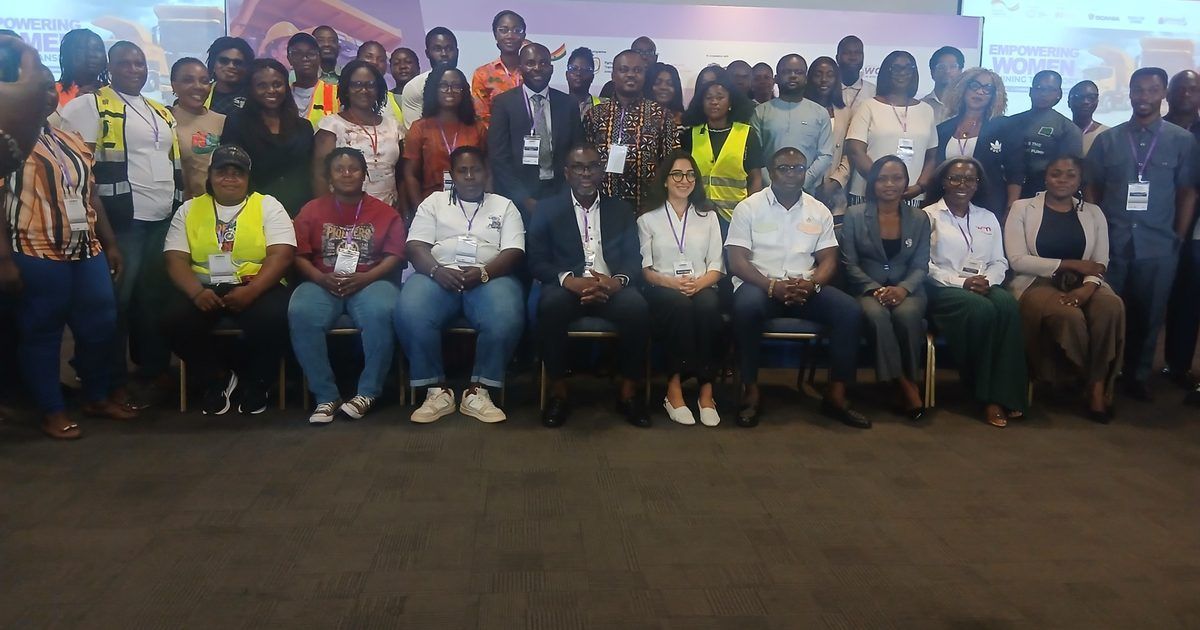
The Gender Ministry has urged mining and transport companies to adopt inclusive workplace policies and provide career advancement opportunities to increase women’s participation in Ghana’s traditionally male-dominated industries.
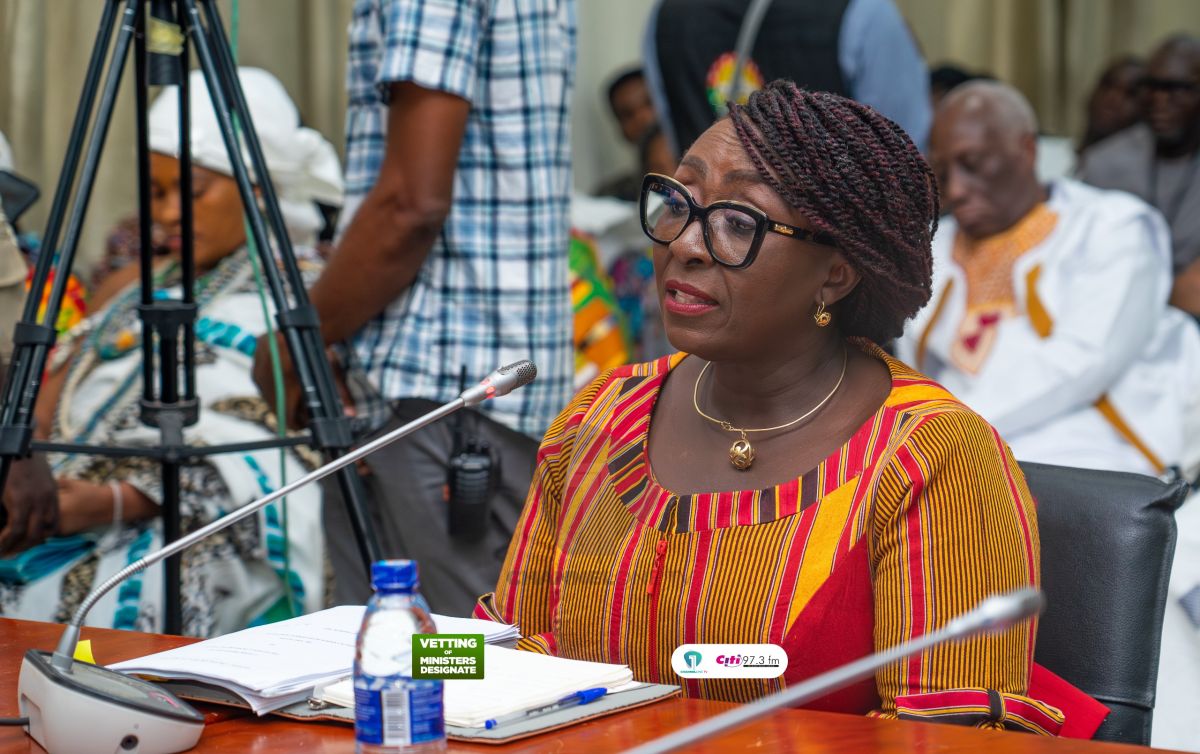
Vera Kakari Badiako, Director for Gender Equity at the Ministry of Gender, Children and Social Protection, said deliberate efforts were needed to remove institutional barriers that prevented women from entering, remaining and advancing in the mining and heavy transport sectors.
She said policies promoting gender equality must translate into practical opportunities, including fair recruitment, access to technical training, safe working environments, mentorship, and equal leadership opportunities.
Badiako made the call at the launch of the Empowering Women in Mining Transport Project, organised by the Deutsche Gesellschaft für Internationale Zusammenarbeit (GIZ) (develoPPP), Scania West Africa, Reach for Change and Women in Mining Ghana.
The theme was “Accelerating Women’s Participation in Ghana’s Heavy Transport and Mining Industries through Skills Development and Strategic Partnerships.”
She noted that data from the Ghana Chamber of Mines indicated women constituted about 10 per cent of the workforce in the large-scale mining sector, with 14 per cent occupying senior positions and 21 per cent in professional roles. Although the figures showed some progress, they highlighted the need for sustained interventions to improve women’s representation, particularly in technical, operational and leadership positions.
Madam Badiako said the affirmative action (Gender Equity) Act, 2024 (Act 1121), provides a framework for addressing women’s under-representation, with a minimum representation target of 30 per cent by the end of 2026 and gender parity by 2034.
She urged employers to regard compliance with the Act not merely as a statutory requirement but as an opportunity to strengthen institutional performance by expanding access to a wider pool of talent.
She also encouraged women already working in the mining sector to mentor younger ones, share their experiences and support efforts to attract more females into the industry.
Mr Richard Ashong, Communications Superintendent of AngloGold Ashanti, said supportive workplace policies were essential to ensuring that women could combine their professional responsibilities with their personal and family needs.
The company has introduced measures, including a Baby Care Centre launched in 2024, to enable nursing mothers to access their babies during work breaks. Other interventions include extending maternity leave from 12 to 16 weeks, with 20 weeks for mothers of twins or multiple births, providing specially designed workwear for female and pregnant employees, and making sanitary pads freely available at workplaces and washrooms.
Mr Ashong said the company also invested in technical skills development through its Women in Industry Skills and Empowerment Programme under the Mines Youth Apprenticeship Training Programme. In 2025, 42 women were enrolled in the programme, which offered training in mobile crane rigging, fabrication, auto mechanics, industrial mechanics and auto electricals.
The company remains committed to extending empowerment opportunities to women in its host communities through vocational training and apprenticeship initiatives.
Mr Francois Lechat, Managing Director of Scania West Africa, said the Project would provide women with professional driving skills, safety and defensive driving practices, vehicle familiarisation and operational training.
The initiative will train 80 women as professional heavy‑duty truck drivers, while another 200 will receive training in entrepreneurship, digital literacy, workplace safety, mining operations and sexual harassment prevention.
He said the mining and transport industries offer significant employment opportunities and that equipping women with the necessary competencies would help address skills shortages and promote diversity.
Mr Lechat said the objective was to move beyond training to creating sustainable career opportunities for women in the industry.
He encouraged the participants to approach the programme with commitment and confidence, saying their success could inspire other women to consider careers in heavy transport and mining.