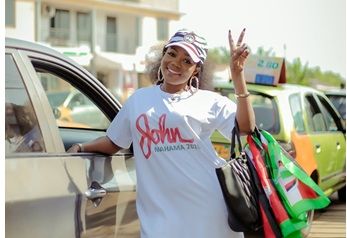
In Ghana, the arrival of an election season brings a predictable shift: politicians become ubiquitous, neglected roads receive sudden attention, and musicians who once stayed away from politics are now seen on campaign platforms. The phenomenon is not new, but it has intensified in recent years as campaign teams recognize the power of popular artists to reach audiences that traditional political messaging struggles to capture.
Musicians wield a unique influence. Their music travels further than many speeches, and their emotional connection with listeners can make a campaign slogan stick in a way that policy briefs rarely do. For parties, an artist’s endorsement can turn a campaign song into a memorable anthem that outlives a manifesto. For artists, the partnership offers visibility, financial support and sometimes government contracts that can elevate a career.
Yet the relationship is fraught. When a paid performance is framed as an endorsement, or when an artist’s political allegiance shifts with each new government, the public is left to wonder whether the message is genuine conviction or a commercial arrangement. Social media preserves old videos and interviews, so an artist’s past political statements can resurface and spark backlash when they appear to change sides.
Critics argue that musicians, especially those with large youth followings, should not be allowed to sway public opinion on complex policy issues such as taxation, health or education. They warn that a popular artist’s endorsement can be mistaken for expert advice, potentially undermining critical thinking. Proponents, however, say that artists have every right to discuss national issues and can help make difficult conversations more accessible. They call for clear distinctions between political participation and exploitation, urging that endorsements come with honesty and responsibility.
Policymakers, on the other hand, are urged to engage musicians beyond the campaign season, inviting them into conversations about creative industry policy, royalties, copyright protection and infrastructure. The goal, they say, is to move from decorative appearances to substantive policy influence that benefits the creative sector year‑round.
As the next election approaches, Ghana’s music scene will once again be thrust into the political spotlight. The challenge will be to ensure that the collaboration between artists and politicians serves the public interest, rather than merely providing a catchy soundtrack for campaign slogans.